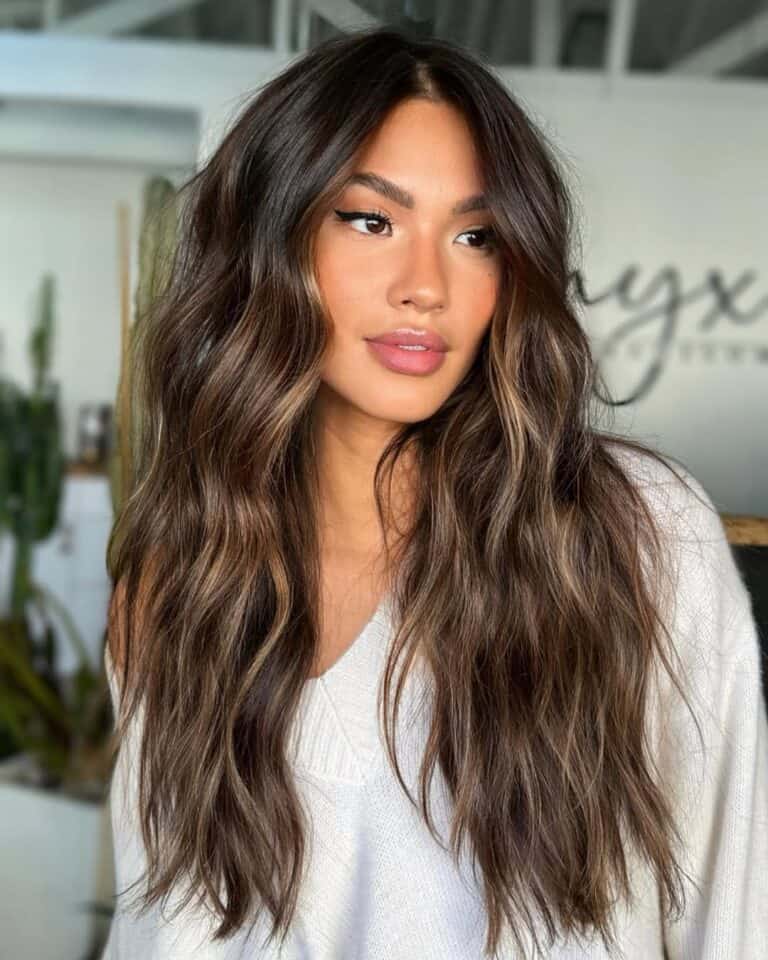
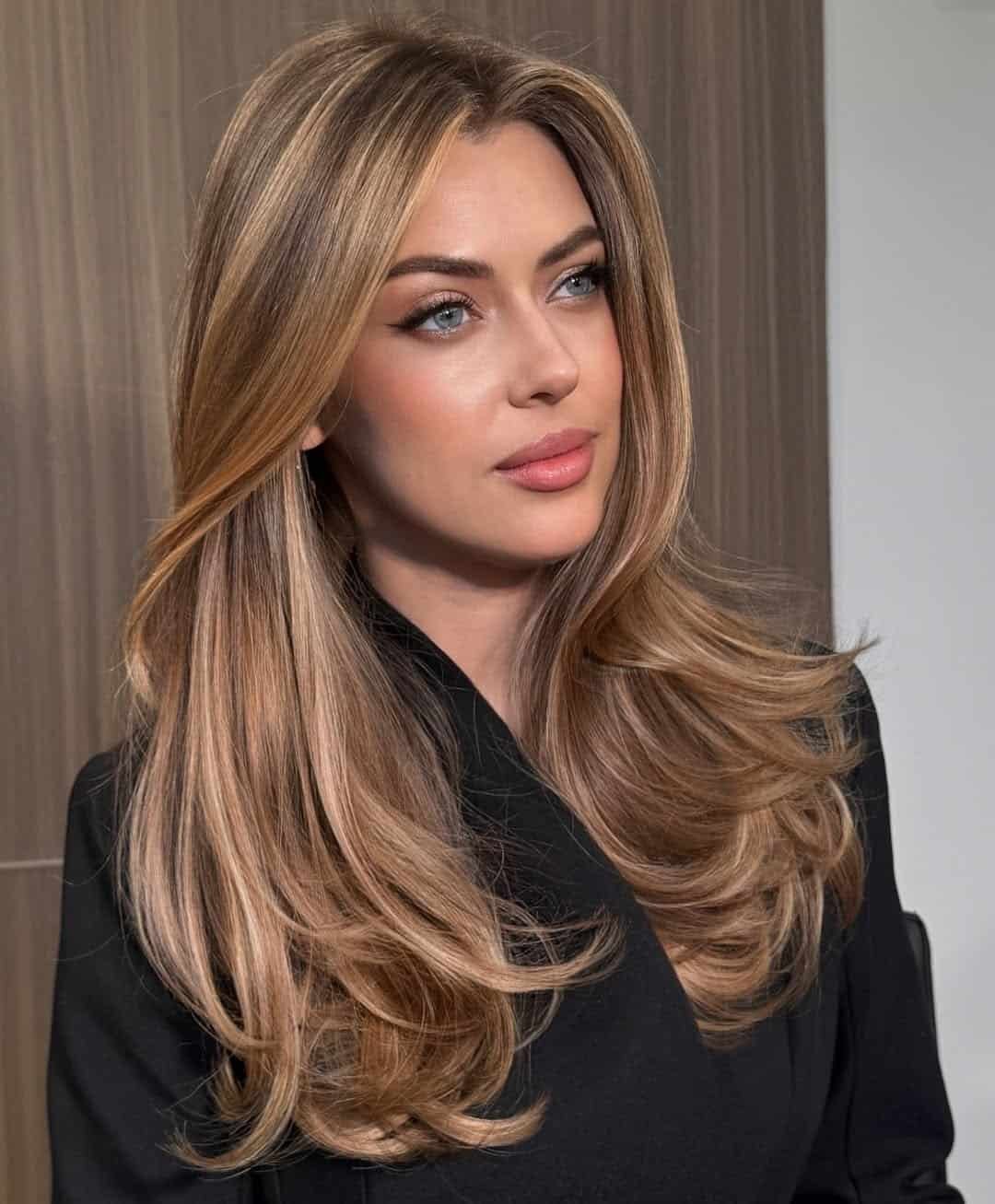
Hair changes hit differently in spring. There is something about the shift in light and temperature that makes a new cut or color feel genuinely necessary rather than just desirable. The difference between a spring hairstyle that works and one that just exists comes down to three things: whether it suits your face shape, whether it works with your natural texture, and whether you will realistically maintain it on a Tuesday morning when you are already running late. When you ensure those three factors are correct, everything else will naturally fall into place.
Spring Haircuts for Women: Textured Lobs, Shags, Blunt Bobs, and Long Layers
The cuts defining spring this season are the textured lob, the long shag with curtain bangs, the blunt bob, the soft pixie with length through the top, and long layers with a face-framing moment. Each one addresses a different hair type and face shape, which means there is a genuinely strong option in this list for almost everyone. The common thread across all of them is movement. Spring haircuts should feel lighter than what came before, not heavier.
The textured lob sits at shoulder length and is the most universally flattering of the group. It works across straight, wavy, and fine hair without requiring a dramatic commitment. The long shag with curtain bangs adds extraordinary movement and suits wavy and curly textures particularly well. The blunt bob is the precision option, best on straight and wavy hair, and only as strong as the quality of the cut itself.
Understanding Your Hair Texture: Matching the Cut to What You Actually Have
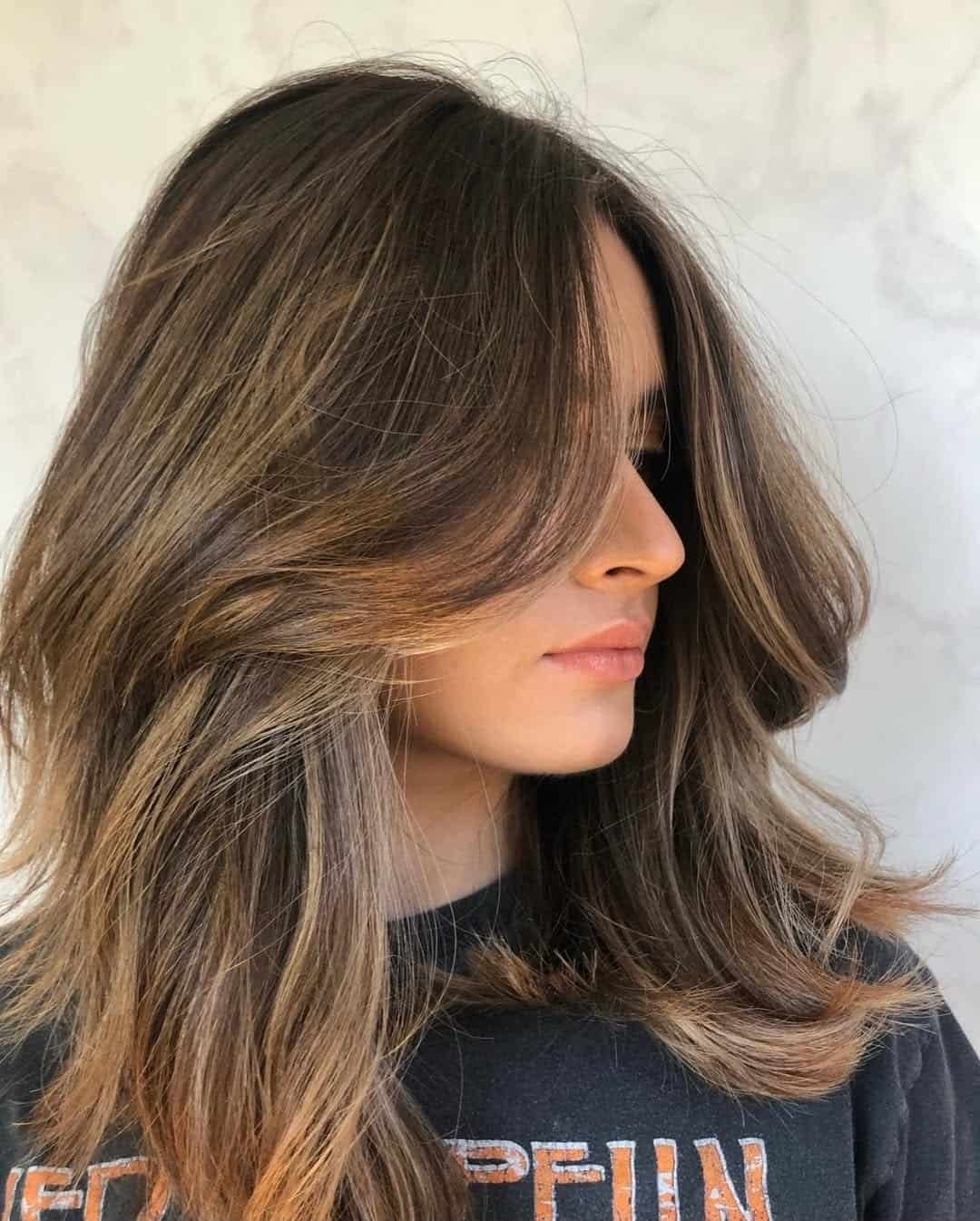
Hair texture determines how a cut behaves daily, not just how it looks leaving the salon. A blunt bob on fine straight hair looks polished and intentional. The same cut on thick, coarse hair requires significantly more daily effort to maintain that clean line. The textured lob, by contrast, works with almost every texture because its built-in layering accommodates natural movement rather than fighting it.
Curly and wavy textures respond best to cuts with internal layering, which is why the long shag consistently outperforms blunter cuts on anyone with natural wave or curl. Soft pixie cuts are more forgiving than their traditional counterparts because the length through the top allows for more styling flexibility across different textures and face shapes. Long layers with face framing maintain length while removing the weight that makes hair feel flat and heavy through the warmer months.
Daily Styling and Maintenance: What Each Cut Actually Requires
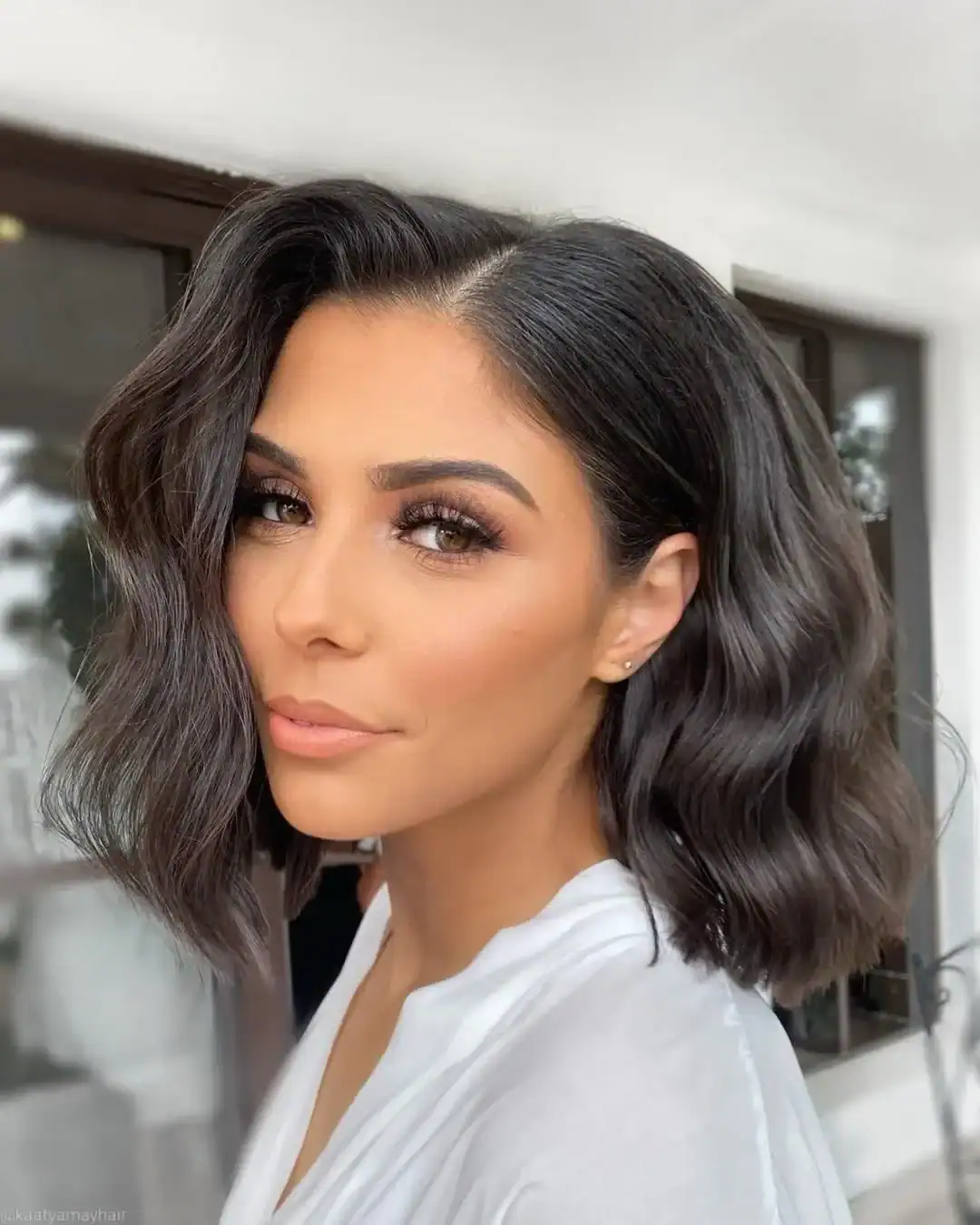
A light blowout keeps the long shag’s layers defined and bouncy without requiring significant time investment. The blunt bob needs either a flat iron or a paddle brush blowout to smooth the ends and maintain its signature clean line. Neither is particularly time-consuming, but both are non-negotiable if the cut is meant to look intentional rather than half-finished.
The soft pixie is the lowest maintenance option on the list. Dry shampoo handles most days without requiring a full wash, and the shape holds well with minimal product. For long layers, air drying with a light mist of sea salt spray delivers natural texture and movement with almost no effort. The honest question before booking any cut is what your actual morning routine looks like, not the idealized version.
Spring Hair Colors: Balayage, Copper Tones, and Strawberry Blonde
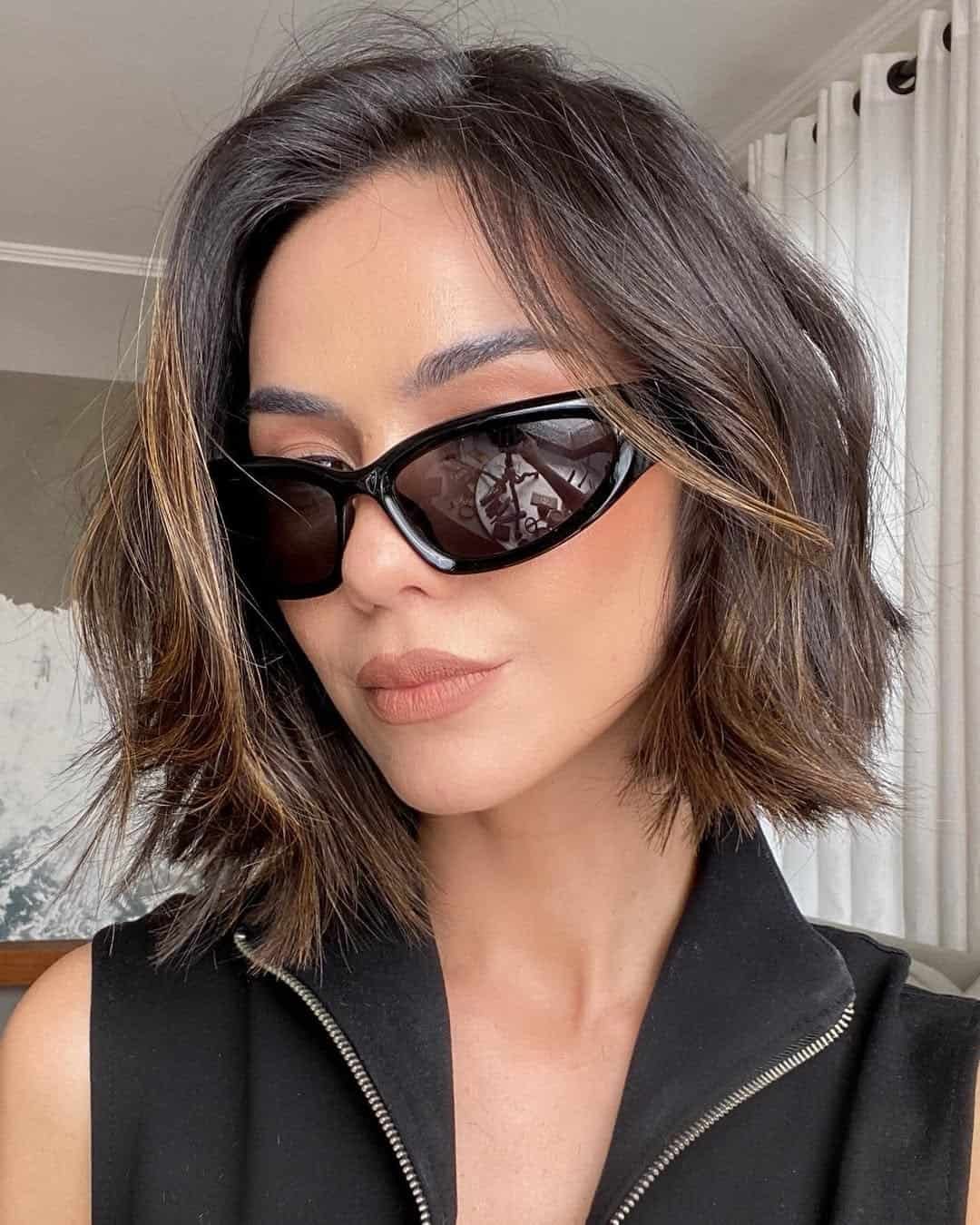
Balayage in warm caramel and honey tones remains the most consistently flattering spring color technique available. Its grow-out is forgiving, its dimensional result works across a wide range of base colors, and it suits the warmer light of the season in a way that cooler tones often do not. For something with more impact, copper and strawberry blonde are the trending directions this spring, adding warmth and vibrancy without requiring full lighting.
Both copper and strawberry blonde read differently depending on skin tone, which makes a consultation more important than usual before committing. These colors are among the most flattering options in the brunette-to-blonde spectrum when matched to the right complexion.
Choosing the Right Shade: Warm and Cool Undertones
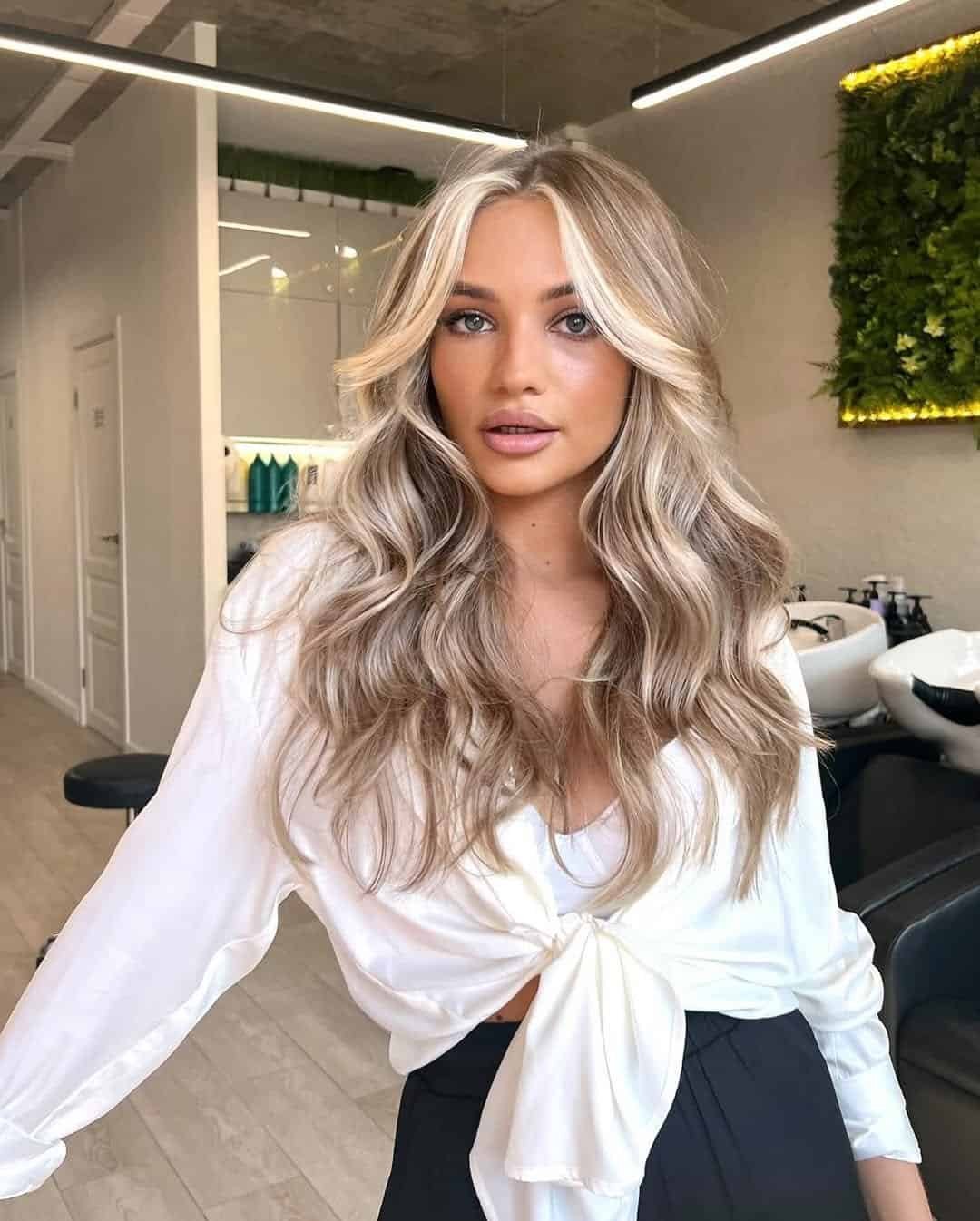
Warm undertones suit balayage in caramel and honey or strawberry blonde with a coppery finish. These shades mirror the warmth already present in the skin and create a cohesive result rather than a jarring contrast. Cool undertones respond better to dimensional ash blonde with soft lowlights, which adds sophistication and depth without appearing warm or brassy.
Regardless of which direction you go, ask for a toning gloss during the color service. It enhances the reflective finish of the color and extends vibrancy between appointments in a way that home care products alone cannot fully replicate. It is a small addition to the appointment that makes a visible difference in how the color looks for weeks afterward.
Protecting Your Color: Toning Glosses and Color-Safe Products
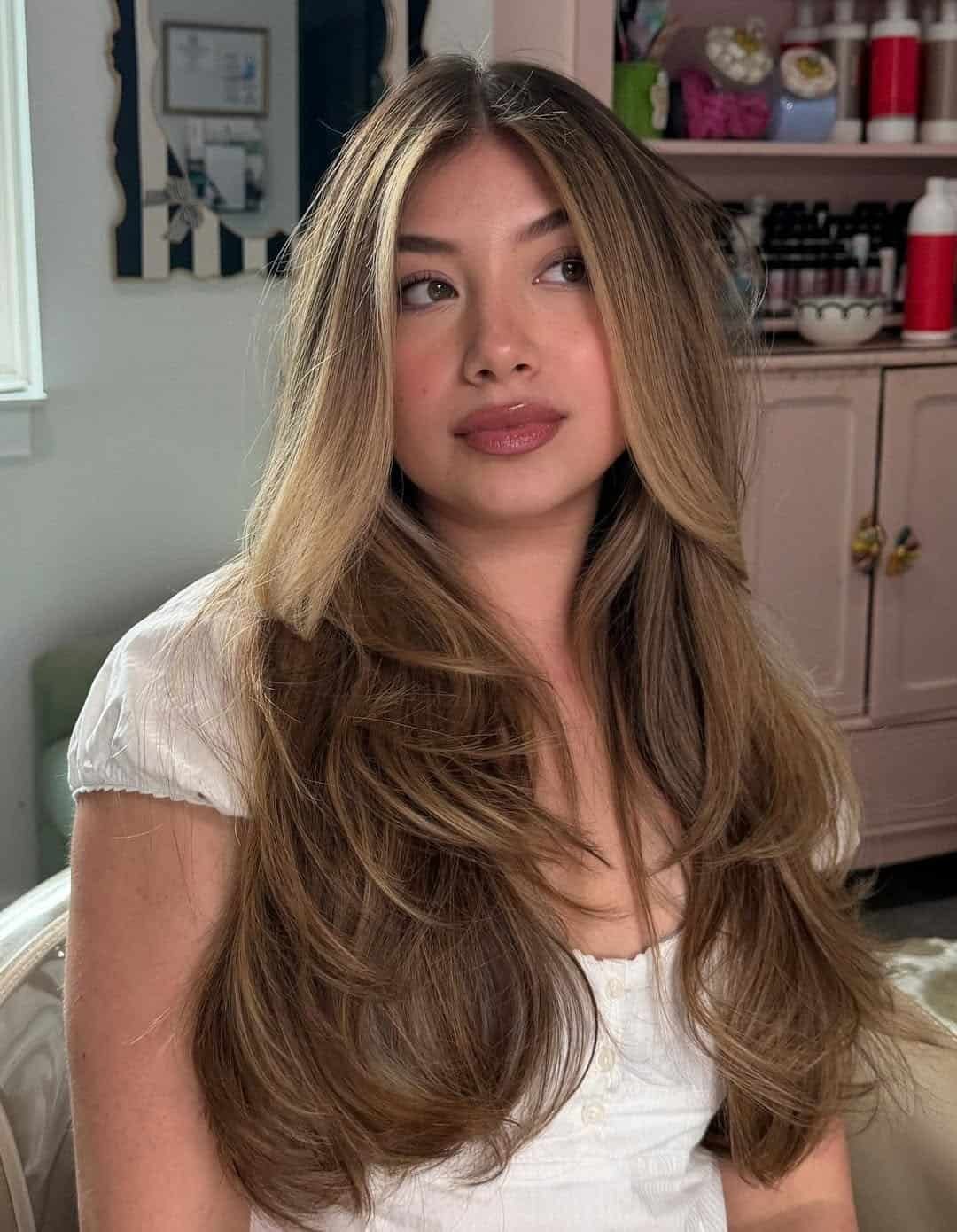
Color maintenance between appointments comes down to product discipline more than anything else. Toning glosses used at home every few weeks refresh the tone and add shine without requiring a full salon visit. Color-safe shampoo and conditioner are the baseline, but the gloss is what keeps the color looking freshly done rather than gradually fading into something unintentional.
Sulfate-free formulas, UV protection sprays for outdoor exposure, and minimizing heat tool use where possible all contribute to longer-lasting color. The investment made at the salon is only as durable as the routine built around it at home.
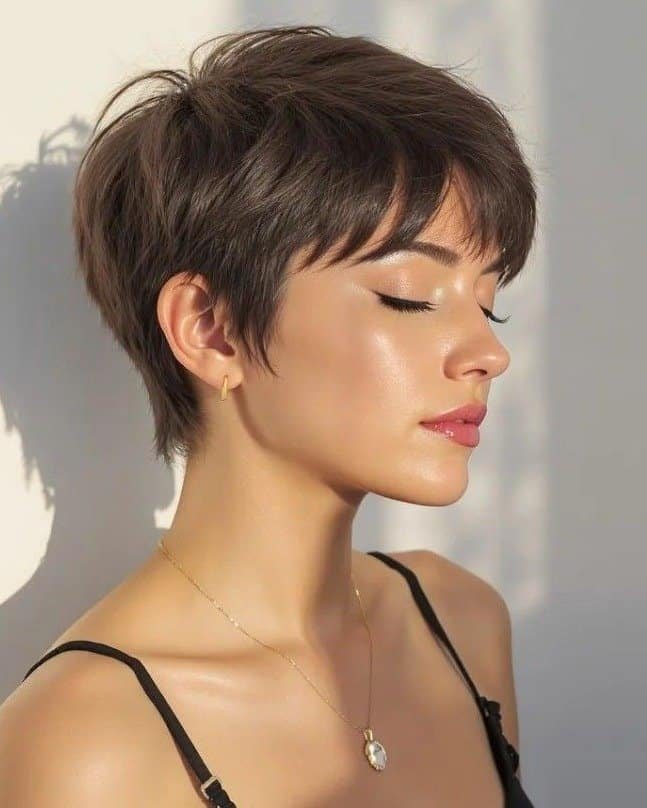
Spring Hairstyles for Short Hair: Textured Pixies, Sleek Bobs, and the Wet Look
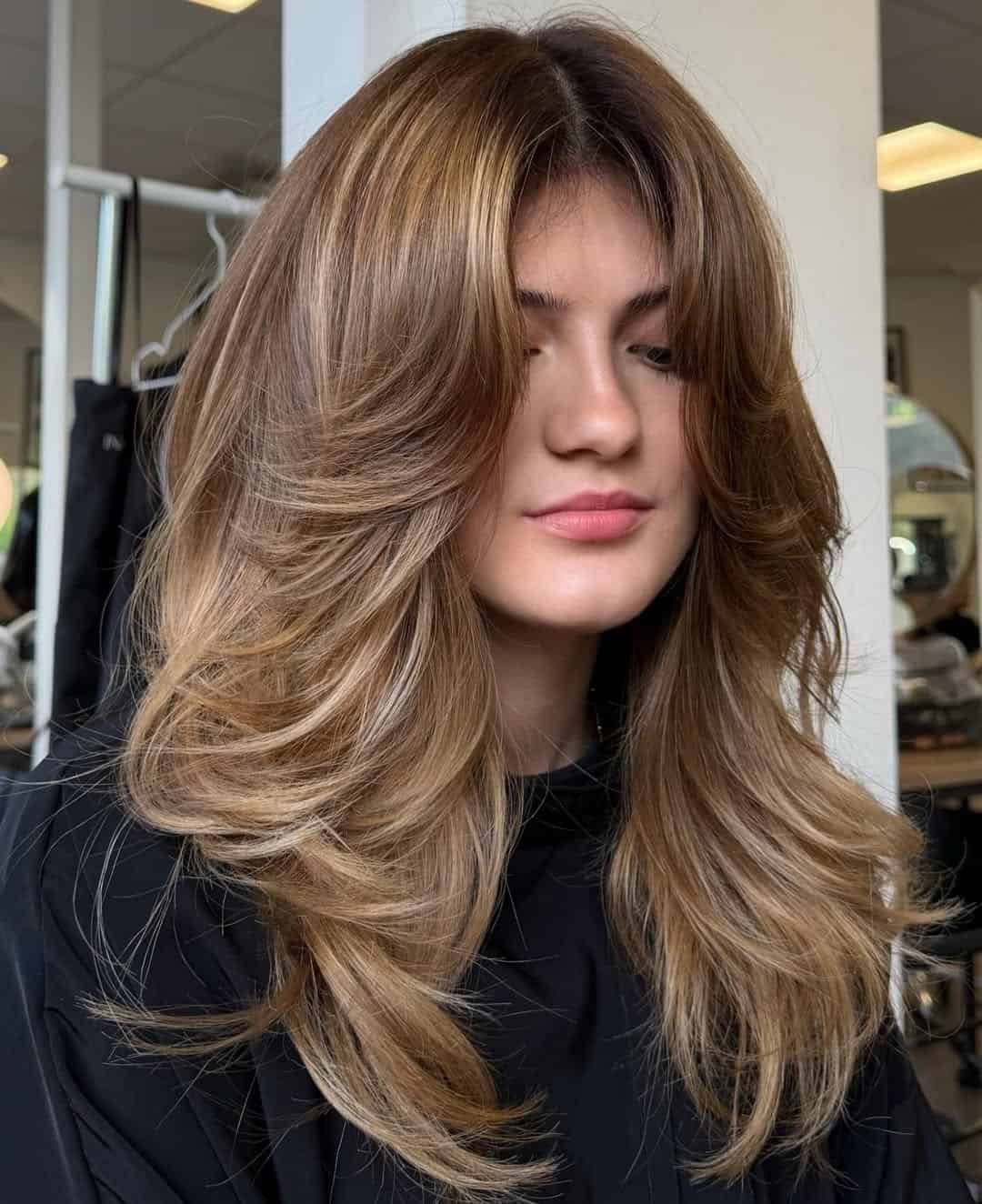
Short hair in spring benefits from lightness and texture over sleekness. A textured pixie with light pomade gives a piecey, chic finish that suits the season without feeling heavy. A soft wave on a chin-length bob adds spring-appropriate softness and requires nothing more than a medium barrel iron and a light hold product to achieve.
For days that call for something more editorial, a slicked-back wet look with strong gel is a surprisingly versatile option on short hair. It takes under two minutes, requires no heat, and reads as intentional rather than lazy. Short hair’s greatest spring advantage is speed. These styles are designed to work quickly and look deliberate.
Spring Hairstyles for Medium Length Hair: Loose Waves, Half-Up Styles, and Textured Buns
Medium-length hair is the most versatile category in spring styling. Loose waves created with a large barrel iron give a relaxed, natural appearance that works across casual and dressed-up contexts equally. A half-up, half-down style with loose face-framing pieces is the current sweet spot for medium hair, looking effortless in person and photographing particularly well.
A textured low bun with pieces pulled out combines polish and ease in a way that works for everything from a work meeting to a weekend brunch. A high-quality round brush for blowouts at home is the most useful tool investment for medium-length hair. The blowout is the foundation that makes every other style easier to achieve and longer-lasting throughout the day.
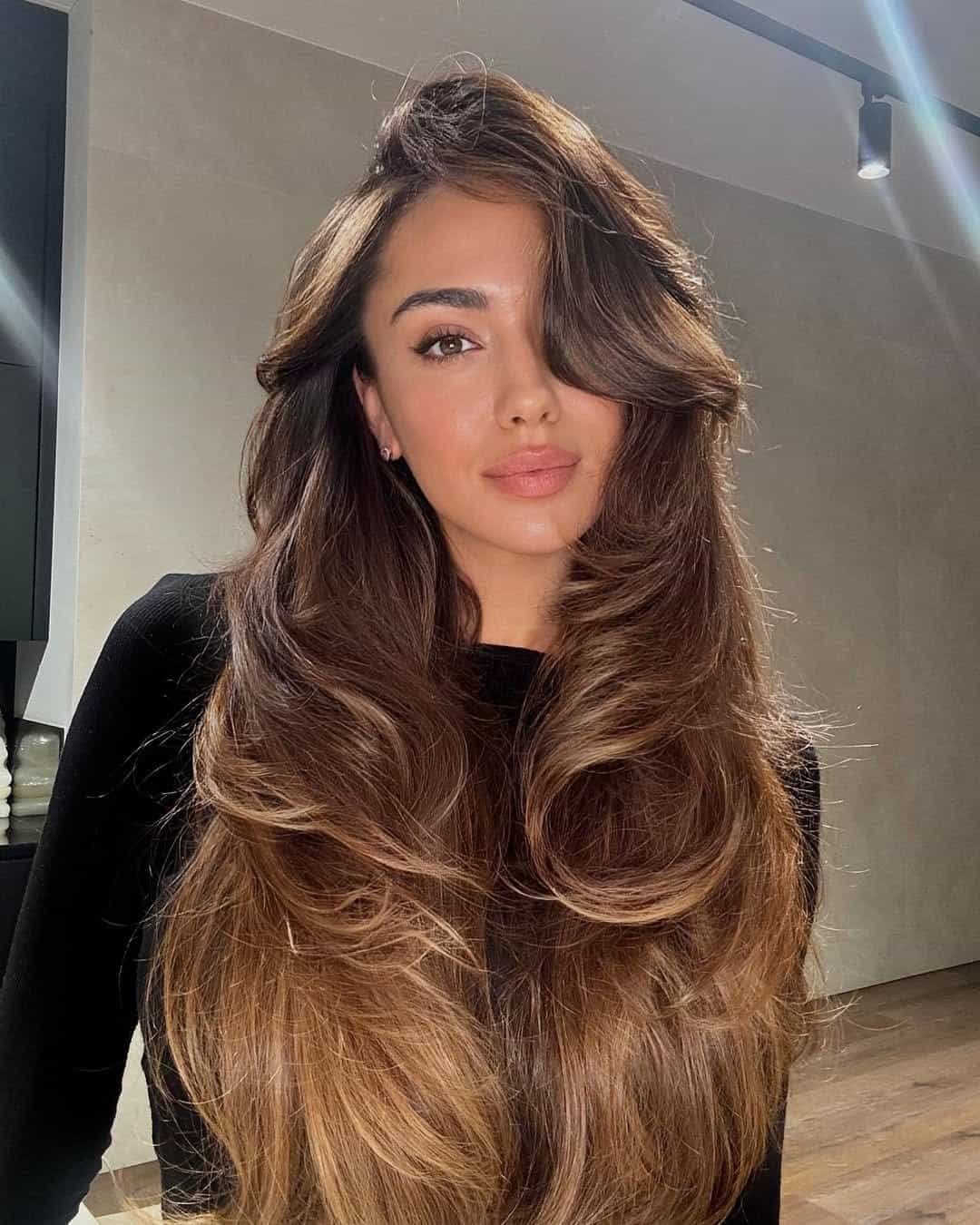
Spring Hairstyles for Long Hair: Braids, Beach Waves, and Undone Updos
Long hair in spring should feel lighter than it did in winter, which often means a trim before the season begins rather than waiting until the ends are visibly damaged. Beach waves with soft texture are the defining long-hair look of the season, providing a natural, movement-forward appearance that suits the warmer months without requiring significant daily effort.
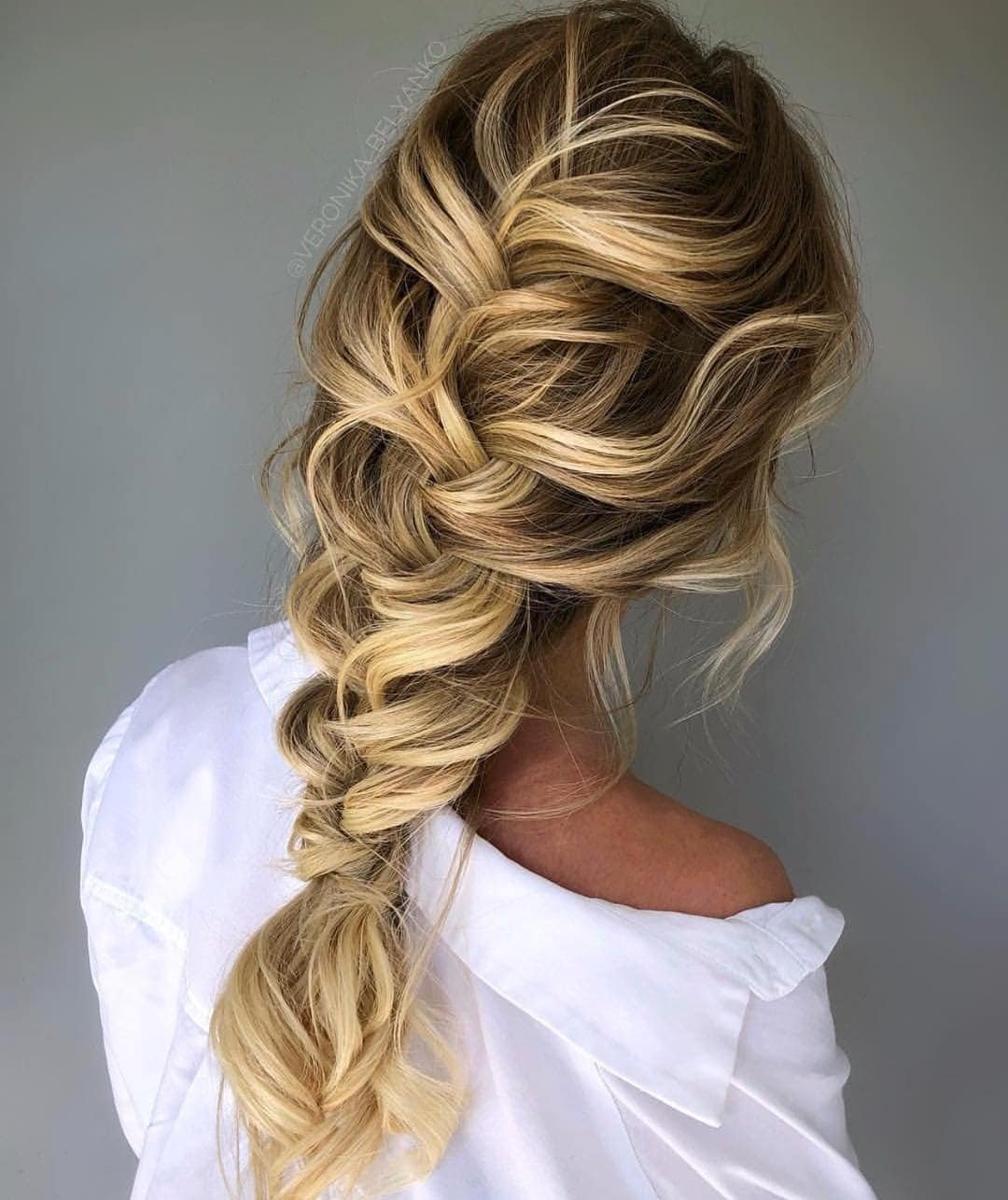
A low, loose braid over one shoulder is the quickest, strongest option for long hair on days when styling time is limited. A high ponytail with a wrapped section adds a chic, modern touch without complexity. An undone top knot with face-framing pieces is the most versatile long hair updo available, working across textures and face shapes while communicating exactly the right amount of effortless intention.
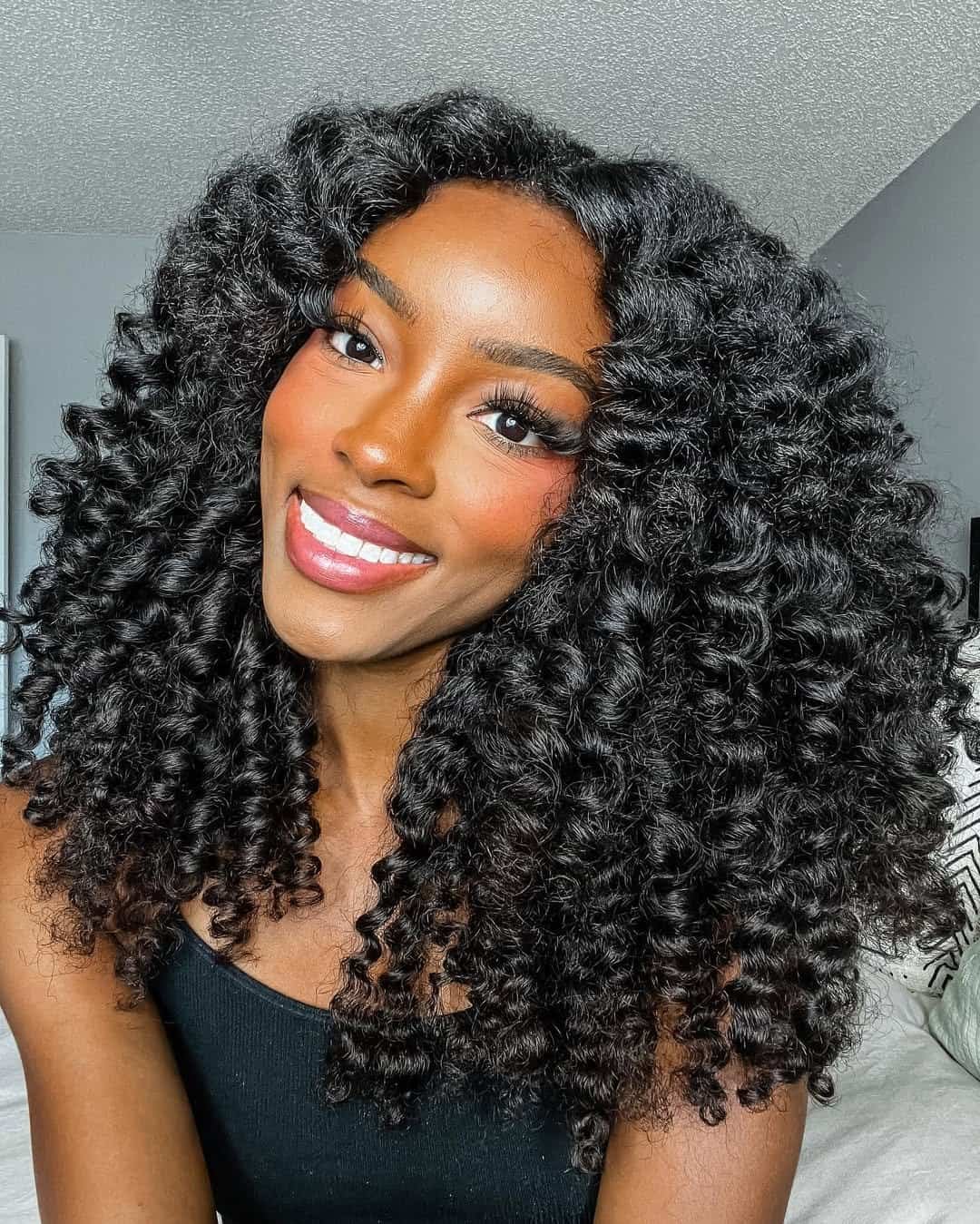
Curly and Wavy Hair: Braid Outs, Wash-and-Go Styles, and Humidity Control
Curly and wavy hair in spring contends with increasing humidity, which makes product selection more important than styling technique. A wash-and-go using a leave-in conditioner and light gel is the most reliable daily option for wavy hair, delivering a refreshed, defined look without manipulation. A defined braid-out on curly hair creates a stretched wave pattern that complements the breezy quality of the season.
Anti-humidity products are non-negotiable from spring onward. A pineapple updo overnight preserves the curl pattern and reduces the morning refresh time significantly. A half-up style that showcases the curl definition is a strong daytime option that requires minimal effort while still reading as styled. The goal with curly and wavy hair in the spring is to work with the texture the weather creates rather than attempt to override it.
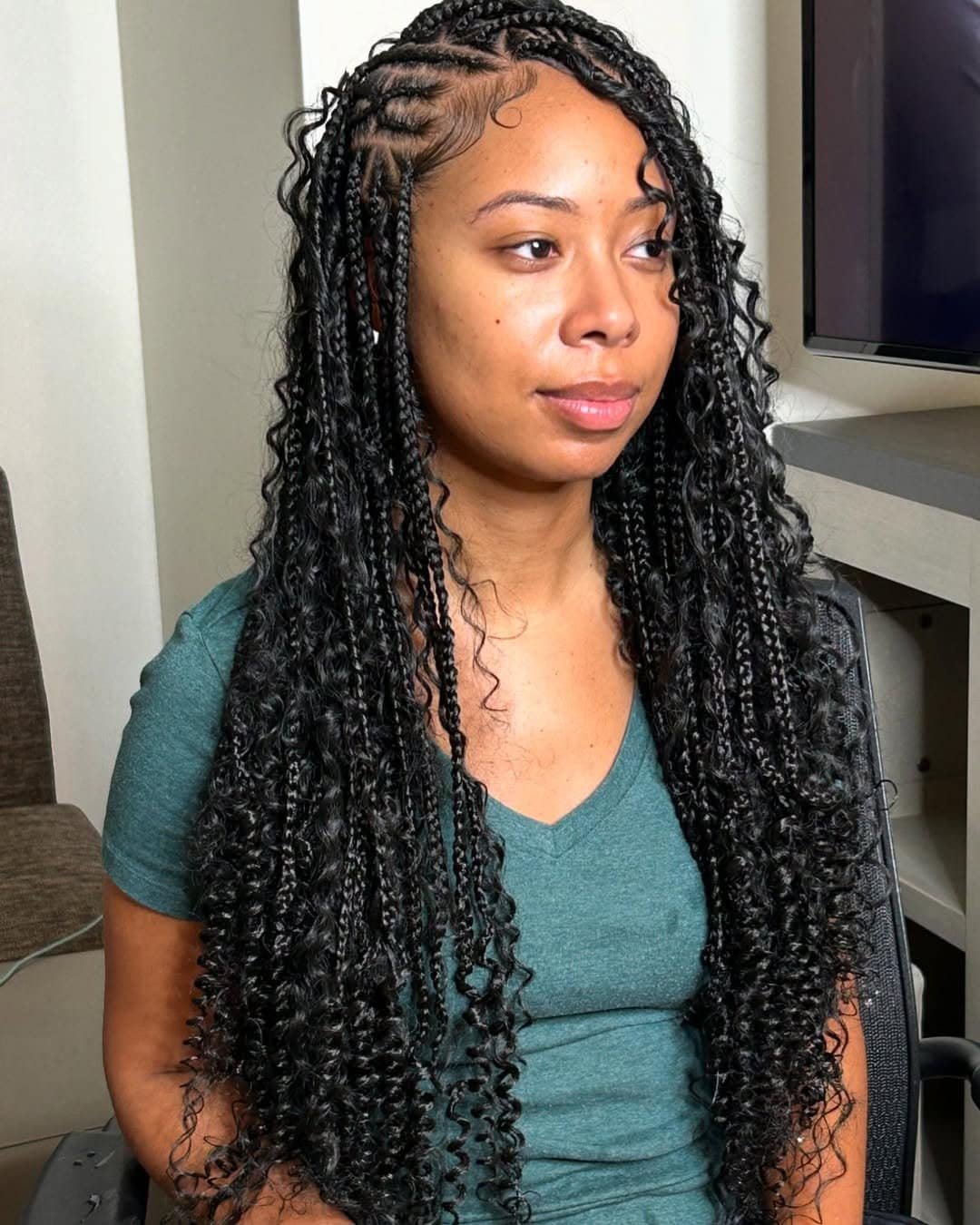
Braided Hairstyles for Spring: French Braids, Fishtails, and Braided Headbands
Braids are one of the most consistently useful spring hair categories because they work across lengths, textures, and occasions without requiring heat or significant product. A French braid half-up style suits everything from a casual outdoor afternoon to a more dressed-up event. Sleek double Dutch braids are the higher-commitment option that delivers the most polished result.
A loose fishtail braid is the most effortless of the group and suits longer hair with natural texture particularly well. A delicate braided headband works on medium to long hair and adds detail without requiring the full commitment of a styled braid. The practical value of braids in spring extends beyond aesthetics. They handle humidity, protect the ends, and eliminate the need for daily heat styling during the months when the weather is most unpredictable.
Quick Fixes for Busy Spring Mornings: Claw Clips, Slicked Buns, and Silk Scarves
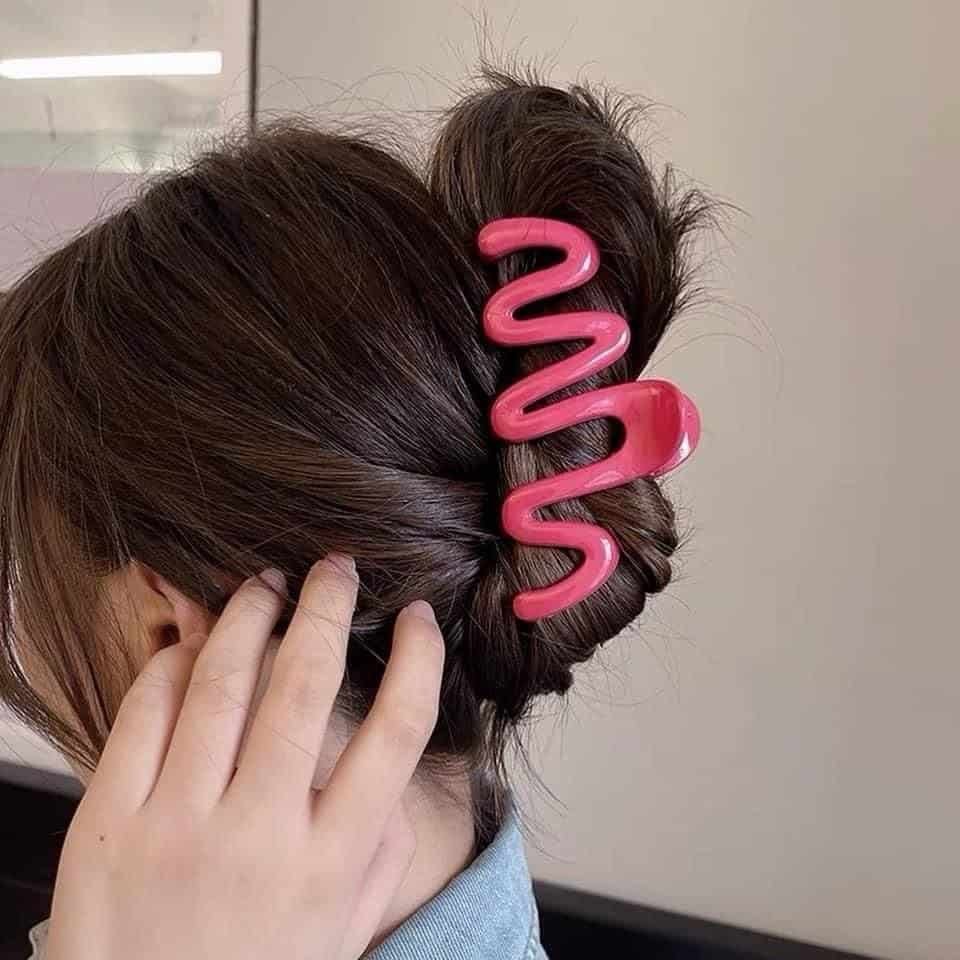
The claw clip updo is the highest-impact, lowest-effort spring hairstyle available. It takes under a minute, works on most lengths and textures, and consistently looks more intentional than its effort level suggests. A slicked-back low bun with a center part takes under three minutes and reads as polished enough for professional settings without requiring any heat.
A high ponytail with a slight tease at the crown adds volume and shape in four minutes. A printed silk scarf wrapped around a simple bun or ponytail introduces color and personality without any styling complexity. These are not fallback options for bad hair days. They are legitimate spring looks that happen to require almost no time, which is their actual advantage.
Final Thoughts: The Best Spring Hairstyles
Spring is the most motivated moment in the hair calendar. The combination of new light, warmer temperatures, and a genuine desire for change makes spring the season when a salon appointment feels less like maintenance and more like a deliberate reset. The cuts, colors, and styling techniques covered here are all designed to work with the season rather than against it, and the difference between intending to try something new and actually booking the appointment is the only gap worth closing.
The best spring hairstyle is ultimately the one that suits your actual hair, fits your real morning routine, and makes you feel genuinely satisfied every time you catch your reflection. Use this guide as the starting point, take it to your stylist, and let the conversation go from there. Book early. Spring fills up faster than any other season on the salon calendar.