
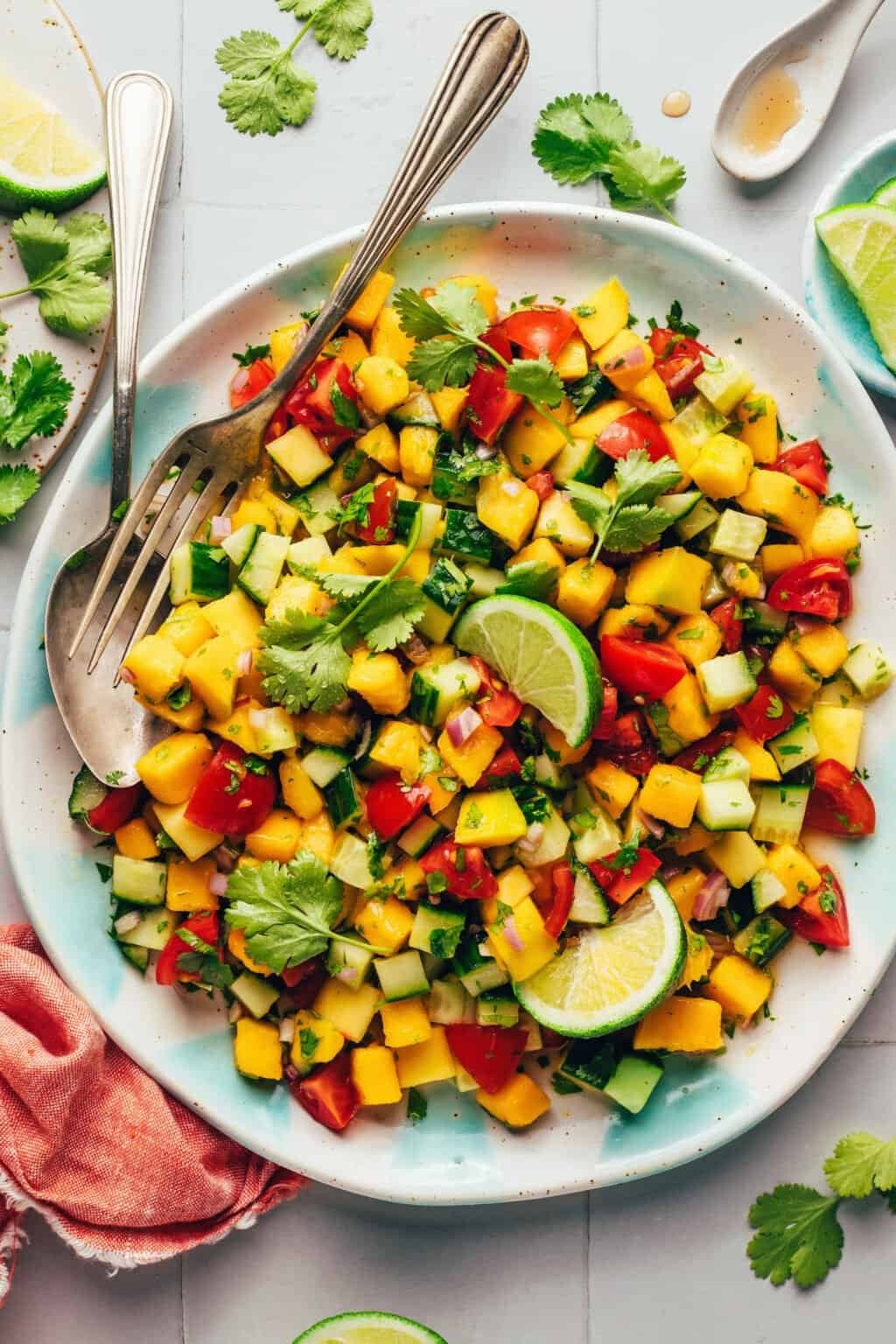
Summer salads are some of the most satisfying meals you can put on the table when the temperature rises. The season brings an abundance of ripe tomatoes, sweet corn, fresh herbs, and crisp greens that need very little preparation to taste exceptional. A well-built salad can be a light side dish, a complete main course, or the centerpiece of a backyard spread.
This salad guide covers everything from classic crowd-pleasers and grain-based bowls to fruit-forward combinations and protein-packed plates. Whether you want to toss together a quick weeknight dinner, prep ahead for the week, or impress guests with minimal effort, these summer salads deliver bold flavor with fresh, seasonal ingredients. The right combination of texture, ingredients, and freshness makes all the difference.
Classic Summer Salads
Some salads earn their place on the summer table every single year. These classics are popular for good reason. They deliver reliable, crowd-pleasing results with ingredients that are easy to find at the peak of the season.
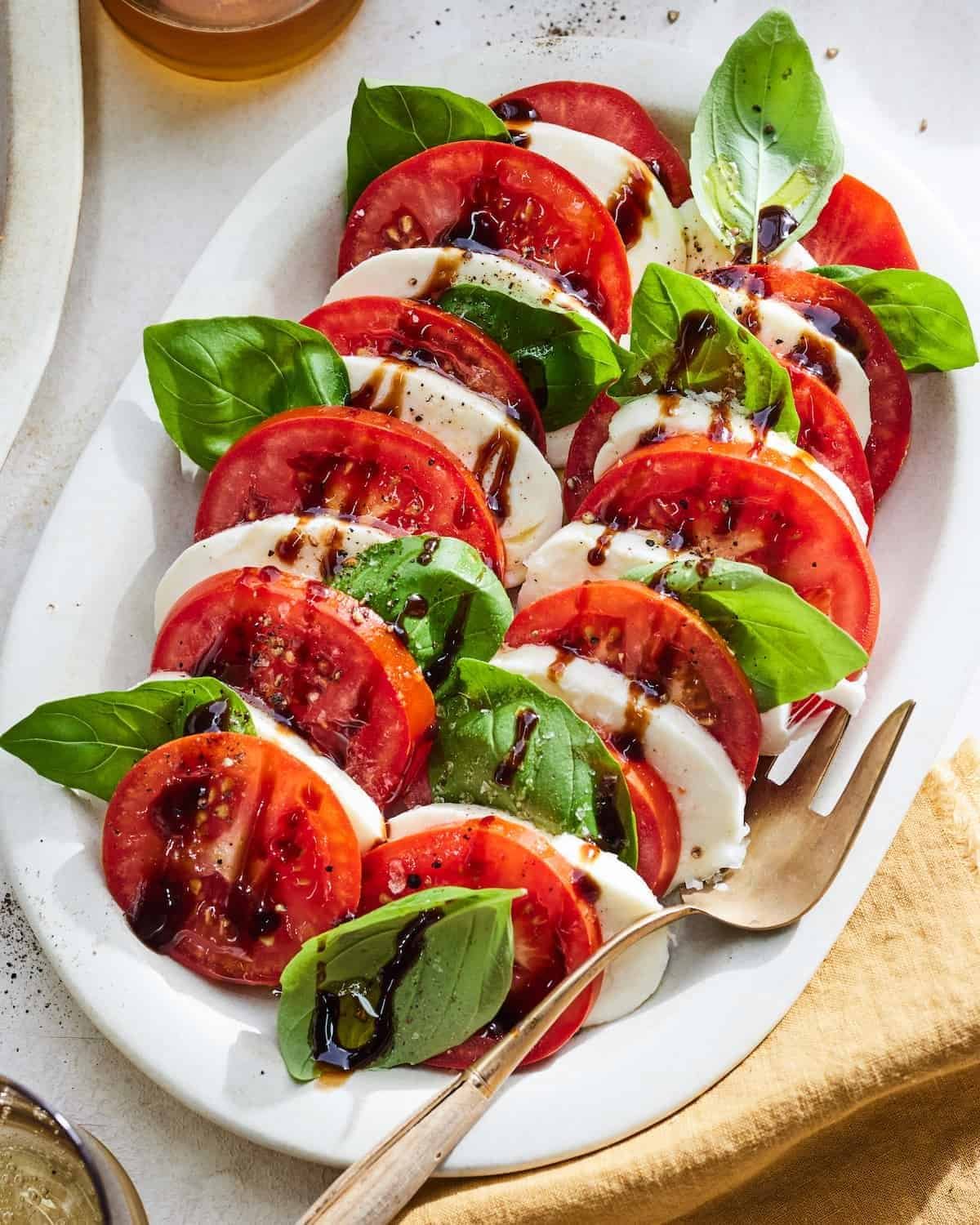
Caprese Salad
Caprese salad is the simplest and most iconic summer salad in the recipe guide. Slice ripe beefsteak or heirloom tomatoes thickly, layer them with fresh mozzarella and whole basil leaves, then finish with a generous drizzle of premium olive oil and flaky sea salt.
The quality of the ingredients carries everything here. Use the ripest tomatoes available and choose fresh mozzarella packed in water rather than the drier, vacuum-sealed variety. A drizzle of balsamic glaze then adds a sweet, tangy finish that ties the whole plate together.
Assemble the caprese salad just before serving so the tomatoes stay firm, and the mozzarella keeps its freshness. It also pairs well with crusty bread for soaking up the juices that pool on the plate.
Greek Salad
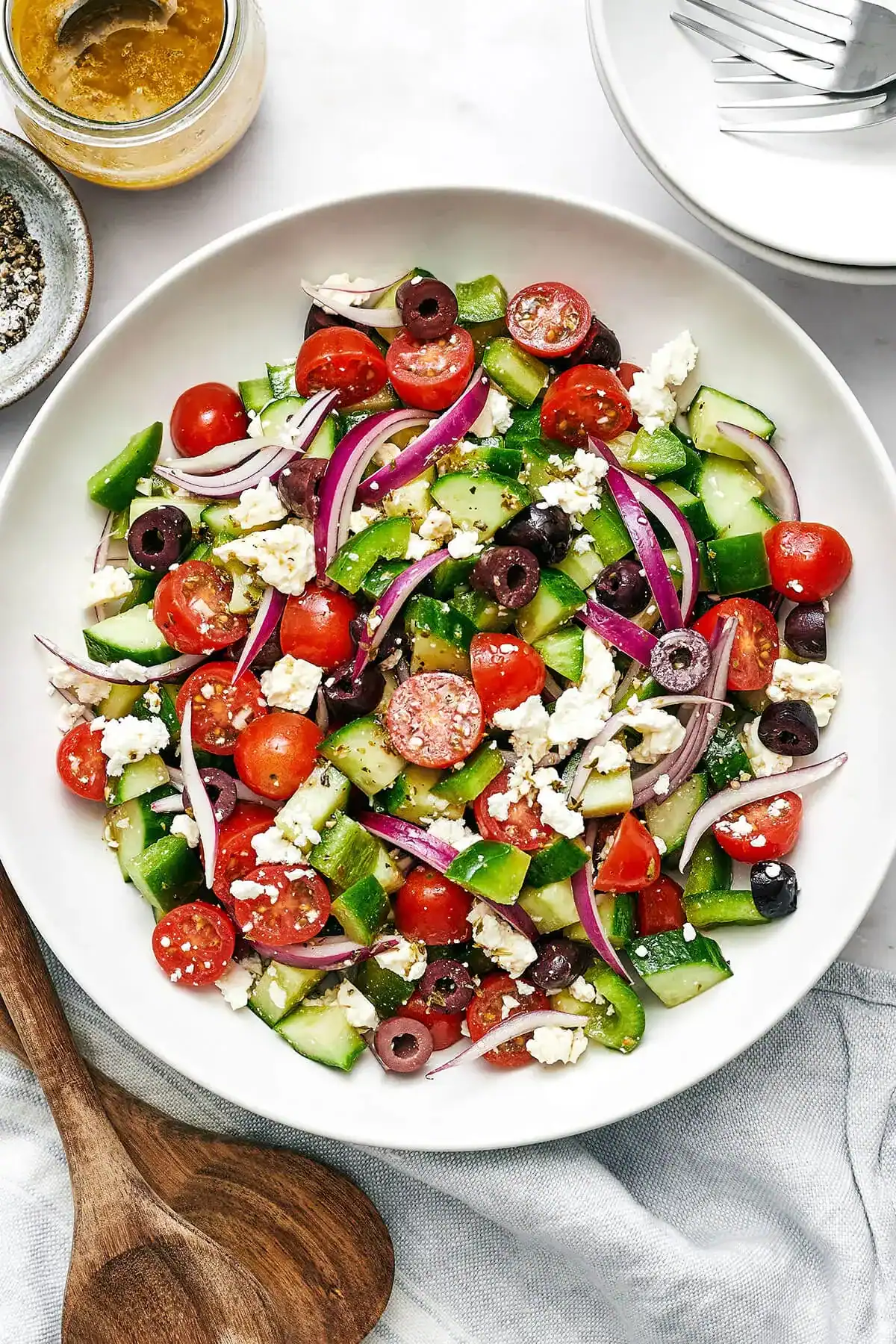
Greek salad brings bold, briny flavors to the summer table without any cooking required. Chunk the cucumbers, quarter the tomatoes, slice the red onion, and toss everything with kalamata olives and green bell pepper. Then top with a generous slab of feta cheese.
A simple dressing of olive oil, red wine vinegar, dried oregano, and a pinch of salt is all the salad needs. Toss everything together and let it sit for 10 minutes before serving so the vegetables absorb the dressing fully.
Greek salad holds up well in the fridge for a day, making it a reliable prep-ahead option. In fact, the longer it sits, the more the olives and feta season the rest of the ingredients.
Fresh Tomato Salads
Tomatoes are at their absolute best during the summer, and they deserve their category. These salads put peak-season tomatoes at the center and build around their natural sweetness and acidity.
Heirloom Tomato Salad
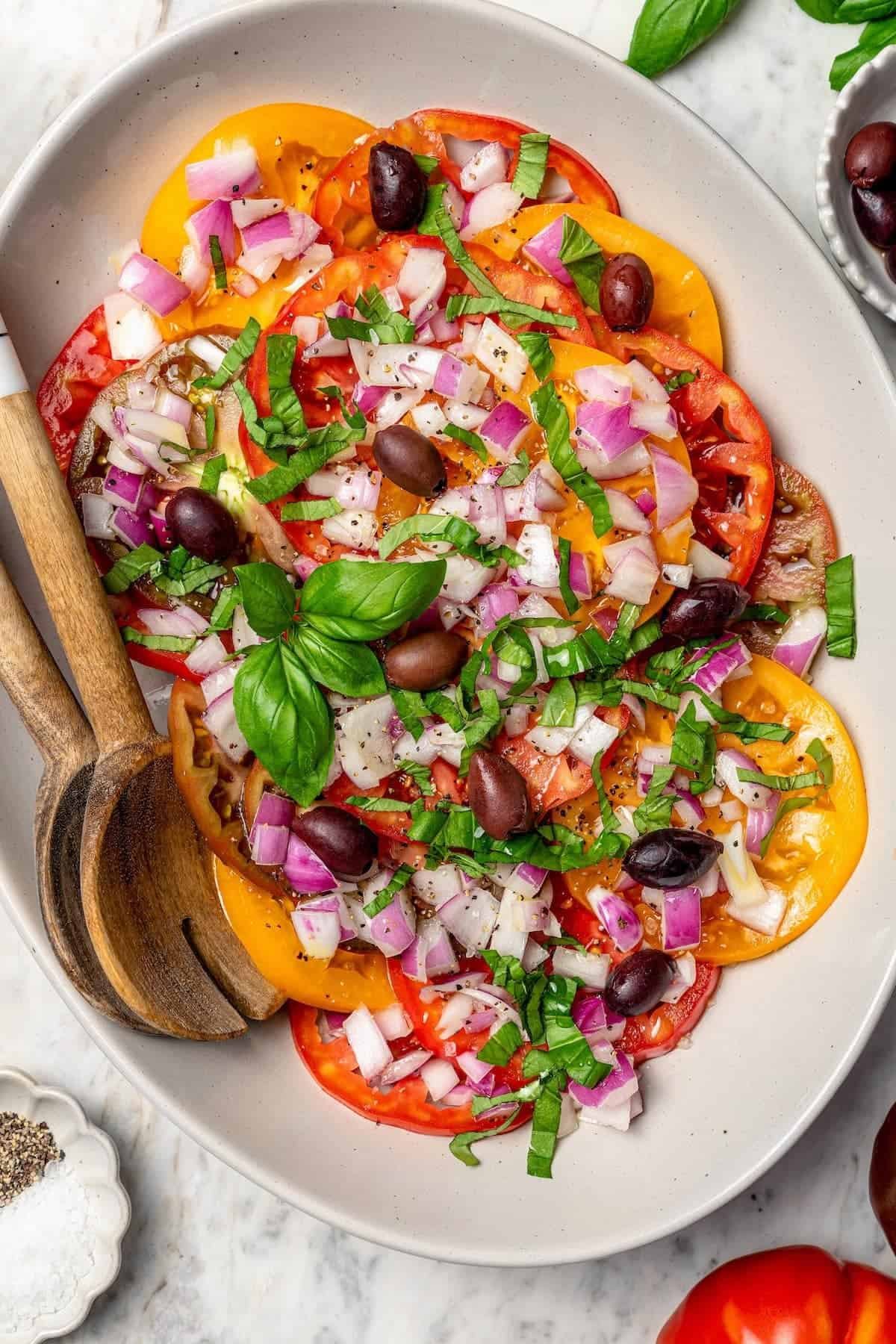
Heirloom tomato salad is one of the most visually striking dishes of the summer season. Slice a mix of heirloom tomatoes in different colors and sizes, then arrange them on a wide platter rather than tossing them in a bowl. The varied colors of red, yellow, orange, and purple make the dish look intentional and impressive.
Next, scatter thinly sliced shallots and torn fresh basil over the top. Finish with a drizzle of premium olive oil, a splash of red wine vinegar, and a generous pinch of flaky sea salt. Nothing more is needed.
Let the salad sit at room temperature for 10–15 minutes before serving. During that time, the tomatoes release their juices and create a natural dressing that pools at the bottom of the platter.
Panzanella Salad
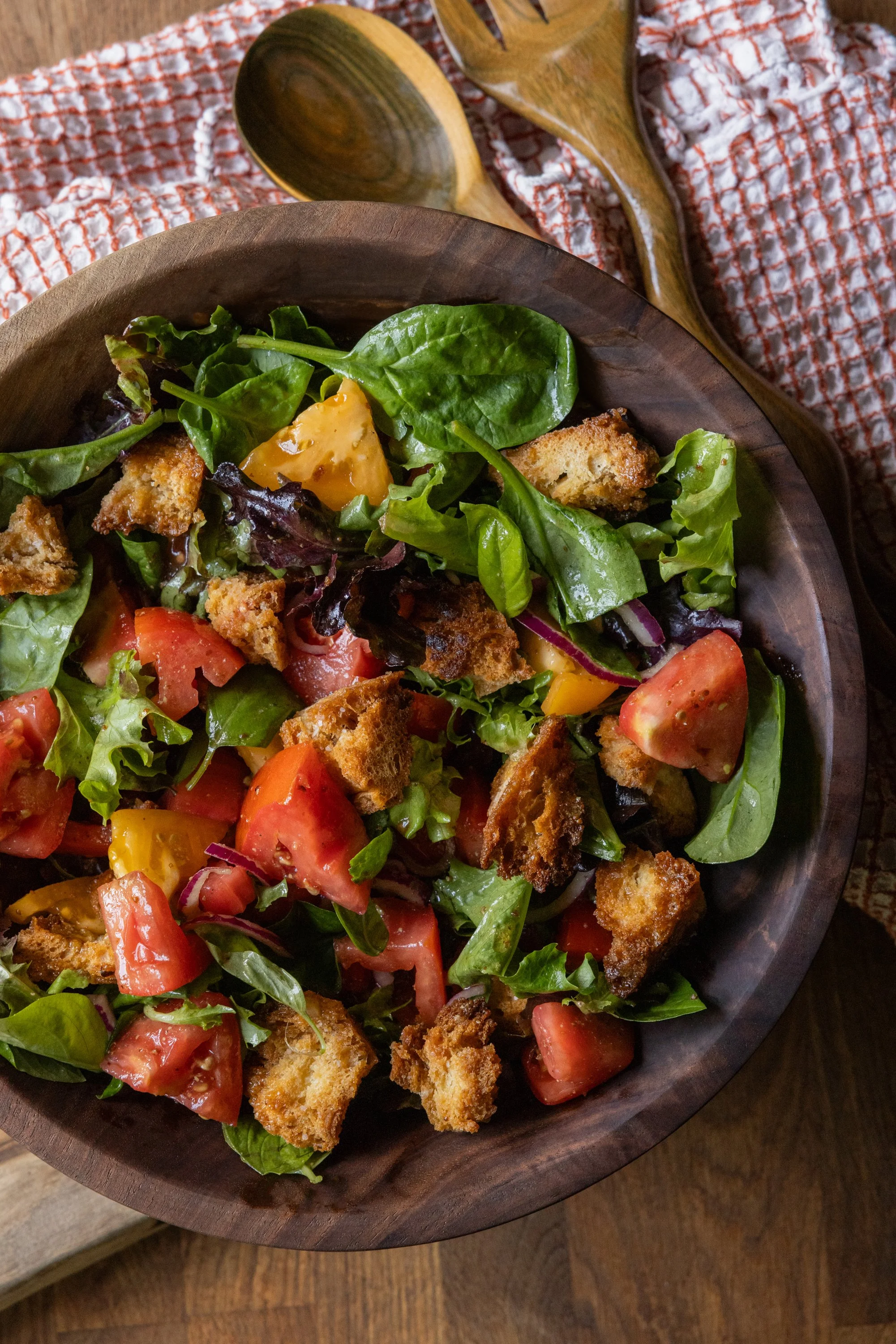
Panzanella is an Italian bread and tomato salad that turns summer ingredients and day-old bread into something hearty and satisfying. Roughly chop ripe tomatoes and toss them with chunks of stale, crusty bread, red onion, cucumber, fresh basil, and capers.
For the dressing, combine olive oil, red wine, vinegar, garlic, salt, and pepper. Toss everything together and let the salad sit for at least 20 minutes before serving. This way, the bread soaks up the tomato juices without turning completely soggy.
Always use stale or lightly toasted bread rather than fresh. Fresh bread absorbs liquid too quickly and turns mushy. As a result, panzanella actually tastes better when you make it a few hours ahead and leave it at room temperature.
Grain and Legume Salads
Grain and legume salads are the most practical option in any summer salad rotation. They hold up well in the fridge, get more flavorful as they sit, and a big batch at the start of the week handles lunches and dinners without any extra cooking.
Quinoa Tabbouleh
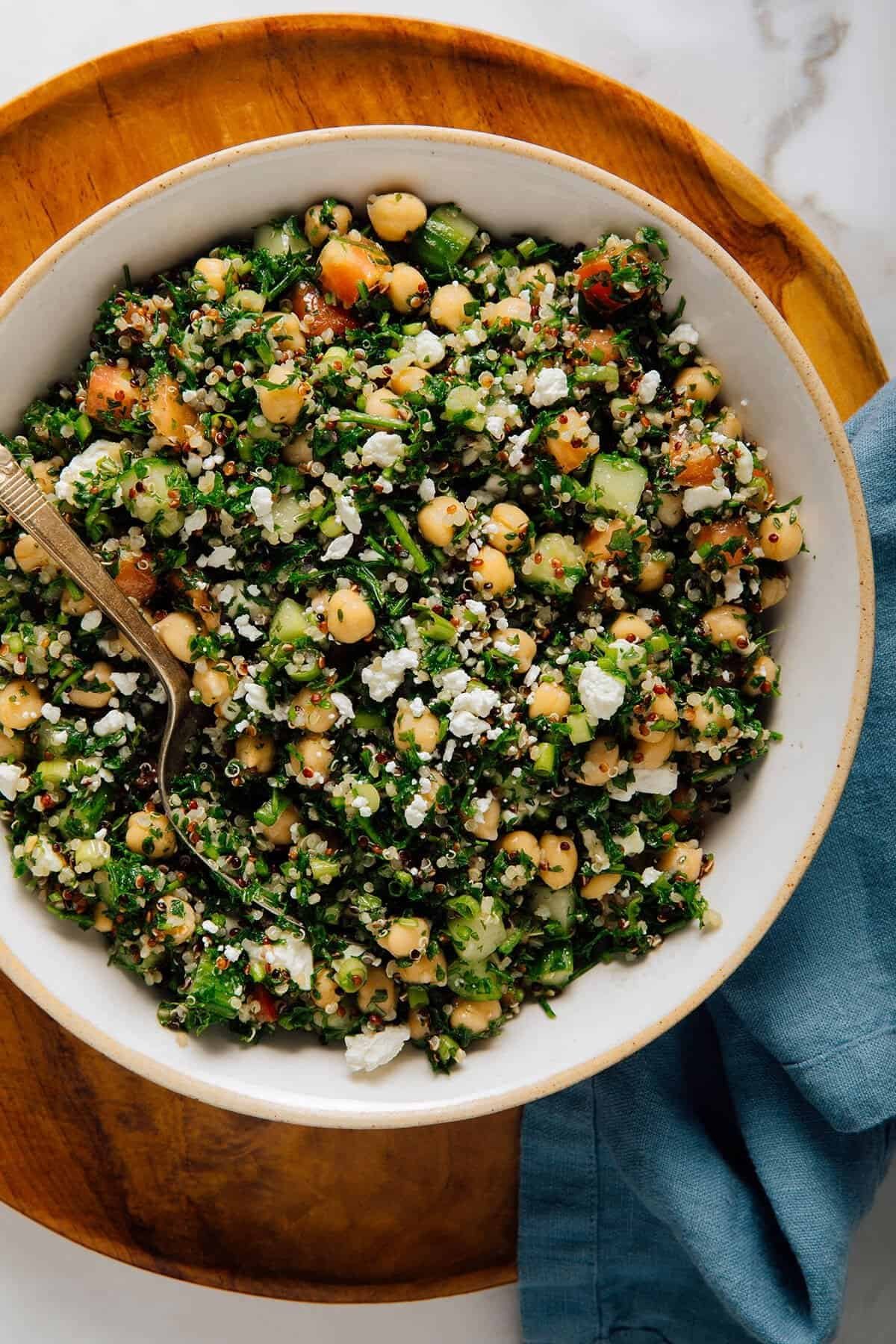
Quinoa tabbouleh swaps the traditional bulgur for quinoa, adding extra protein and a lighter texture to the classic Middle Eastern salad. Cook the quinoa first and let it cool completely before mixing in a generous amount of finely chopped fresh parsley, mint, cucumber, and ripe tomatoes.
For the dressing, simply combine fresh lemon juice, extra virgin olive oil, salt, and a pinch of allspice. Let the parsley make up the majority of the salad, with the quinoa playing a supporting role rather than dominating the bowl.
The salad improves significantly after a few hours in the fridge. Make it in the morning and refrigerate until ready to serve. It keeps well for up to four days and works just as well as a side dish as a light main course.
White Bean and Herb Salad
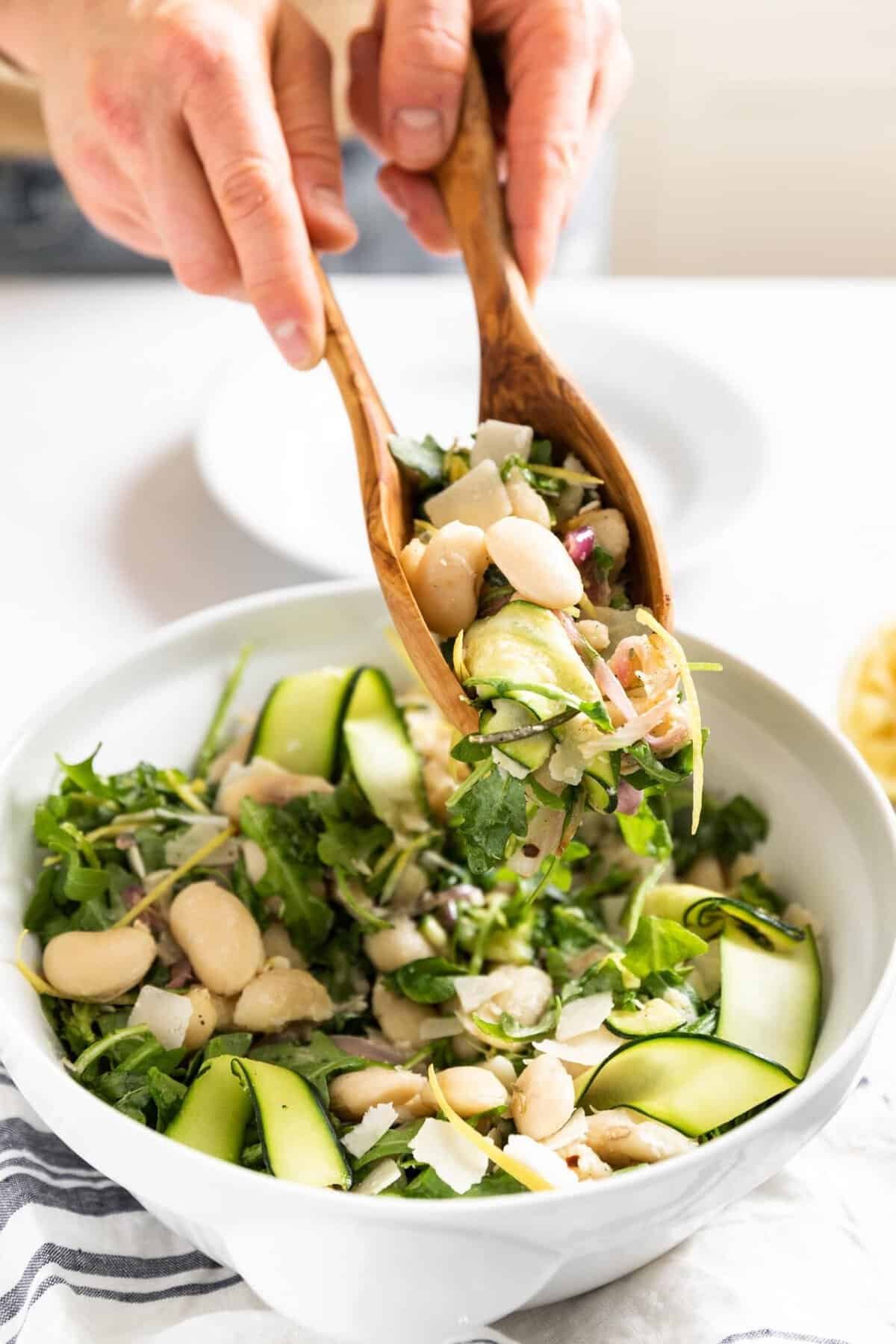
White bean and herb salad is a protein-rich option that comes together in minutes from pantry ingredients. Rinse canned cannellini or great northern beans and toss them with thinly sliced red onion, diced celery, fresh parsley, and cherry tomatoes.
Next, whisk together lemon juice, olive oil, Dijon mustard, garlic, and a pinch of red pepper flakes for the dressing. Pour it over the beans and toss well. Then let the salad sit for at least 15 minutes so the beans absorb all that bright, slightly sharp flavor.
Stir in a handful of arugula just before serving for a peppery bite and some green freshness. The salad keeps well in the fridge for up to four days and is worth making in a larger batch.
Pasta Salads
Cold pasta salads are one of the most practical and crowd-pleasing options in the summer salad guide. They travel well, hold up in the fridge for days, and need no reheating. The right dressing and a few well-chosen mix-ins make them substantial enough to serve as a complete meal.
Classic Italian Pasta Salad
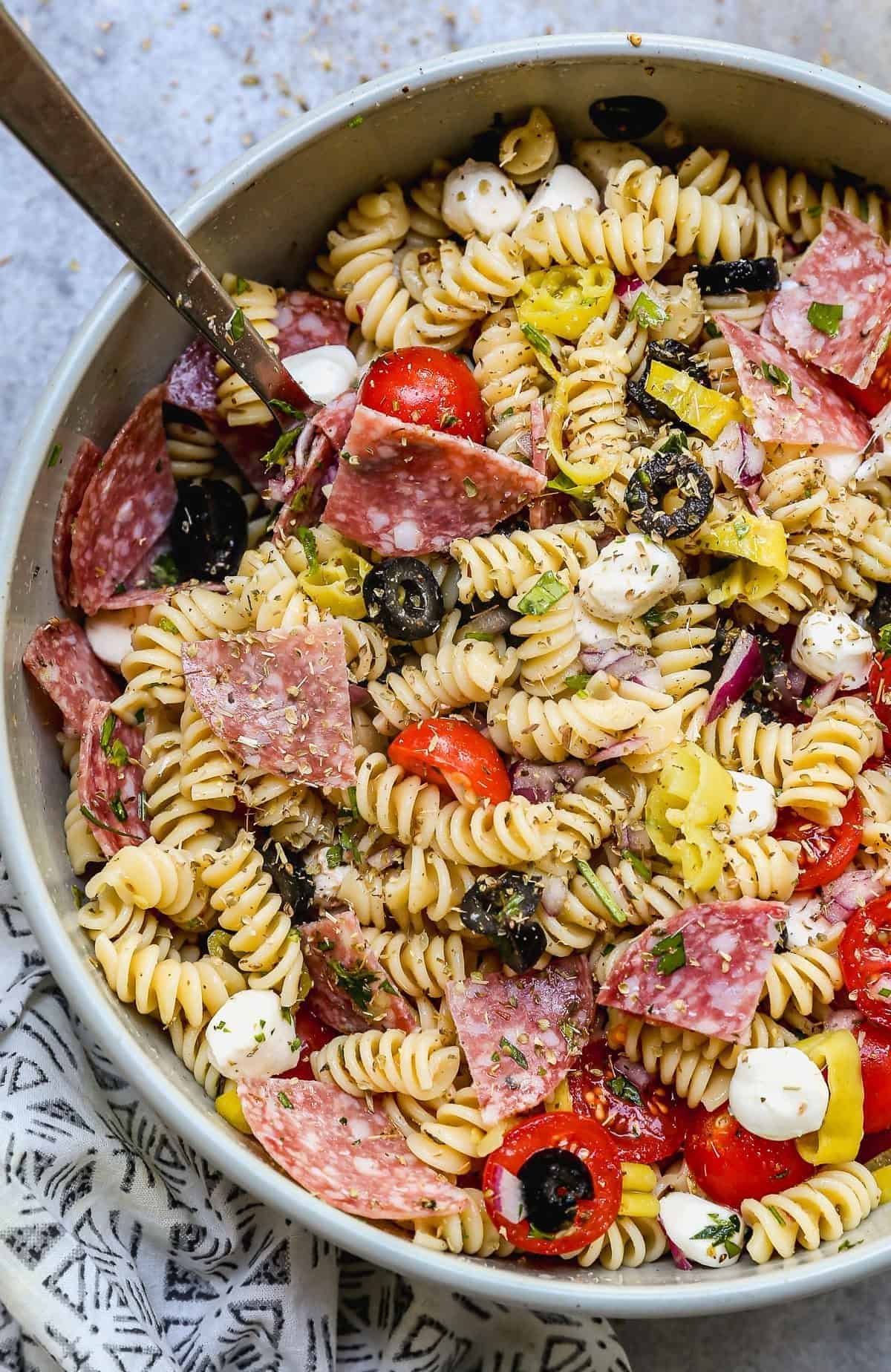
Classic Italian pasta salad is the most reliable option for summer gatherings. Toss rotini or fusilli pasta with salami, black olives, cherry tomatoes, diced bell peppers, red onion, and cubed provolone in a tangy Italian dressing.
Cook the pasta al dente so it holds its texture after chilling. Then dress it while it is still slightly warm so it fully absorbs the flavors before going into the fridge. Just before serving, add a splash of extra dressing since the pasta continues to absorb liquid as it sits.
Make the pasta salad at least two hours ahead, or even the day before, with no loss of quality. A final toss and a sprinkle of grated parmesan right before serving brings everything back to life.
Caprese Pasta Salad
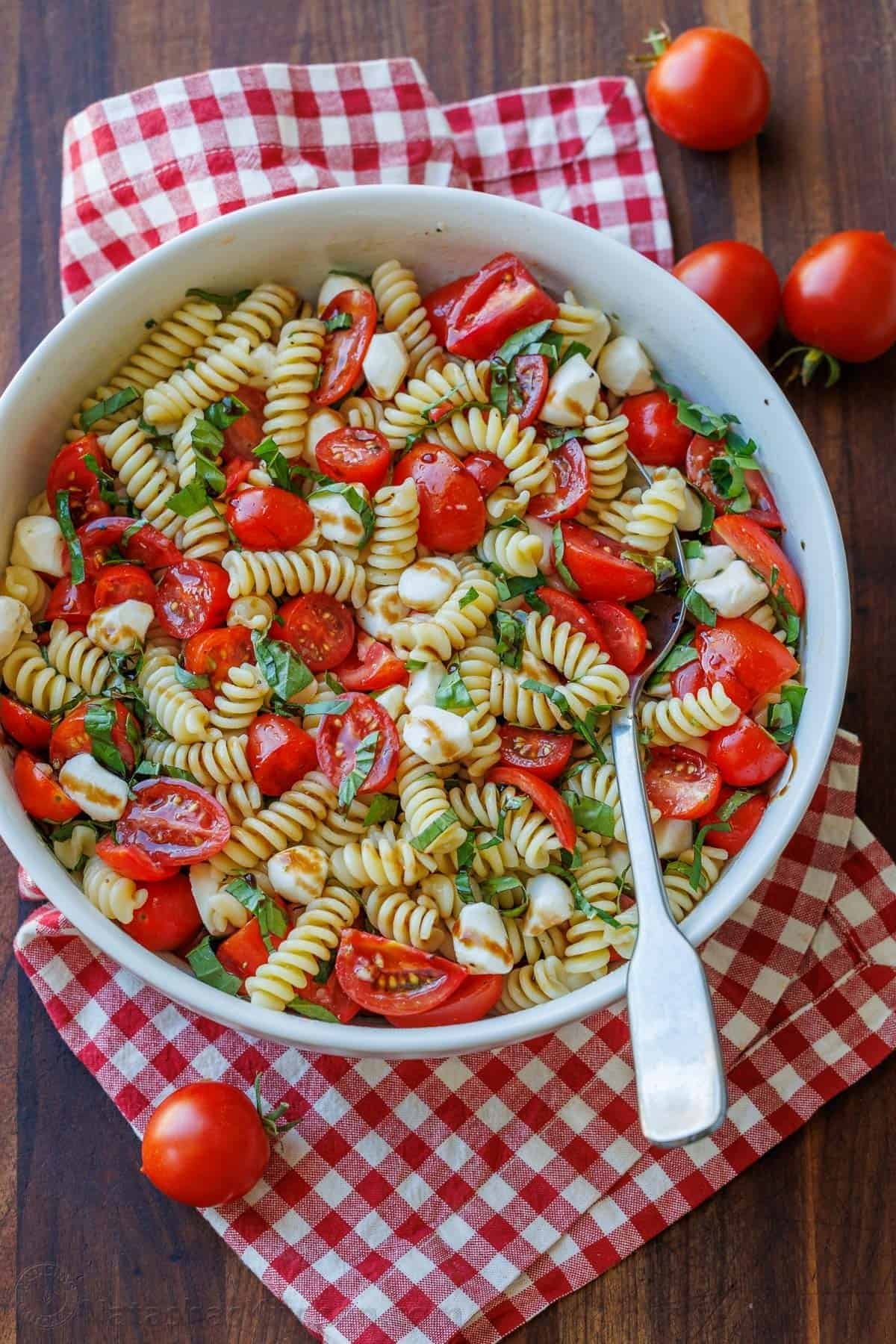
Caprese pasta salad brings the flavors of the classic Italian salad into a more substantial and shareable format. Cook short pasta like penne or farfalle, then toss it while still warm with halved cherry tomatoes, fresh mozzarella balls, and a handful of torn basil.
A dressing of olive oil, balsamic vinegar, garlic, salt, and pepper coats every piece of pasta with bright, tangy flavor. The mozzarella softens slightly from the residual heat and melds gently into the dressing.
Serve at room temperature for the best flavor. Refrigerating this salad firms up the mozzarella and dulls the basil, so assemble it close to serving time rather than making it entirely ahead.
Protein-Packed Salads
Protein-packed salads skip the side dish format entirely and deliver enough substance to keep you full through the evening. These recipes work as complete summer meals in a single bowl.
Grilled Chicken Caesar Salad
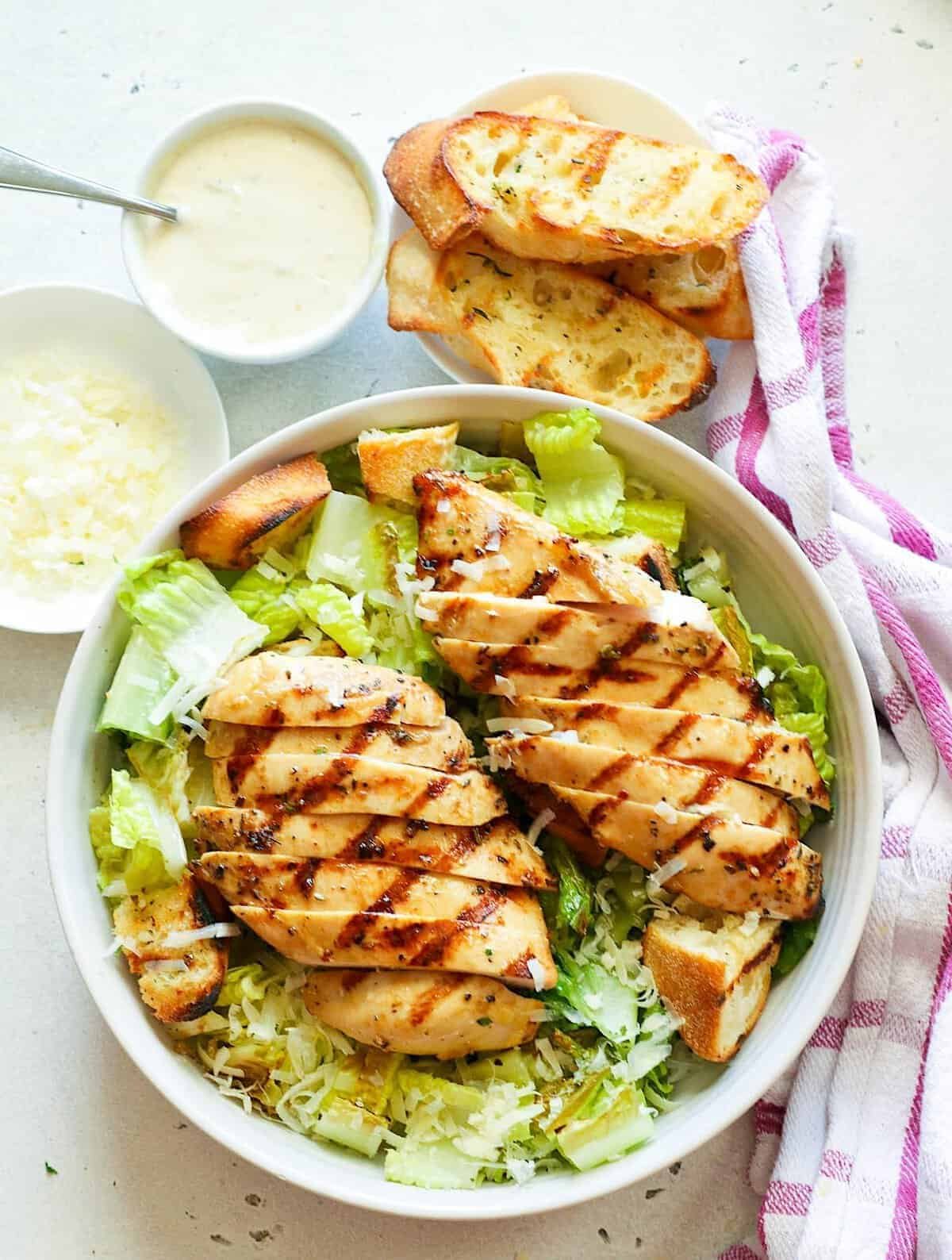
Grilled chicken Caesar salad is the classic main-course salad that earns its place on regular summer rotation. Coat crisp romaine in a creamy dressing of garlic, lemon juice, parmesan, and anchovy paste, then top with sliced grilled chicken and crunchy homemade croutons.
A simple lemon-herb marinade transforms plain chicken breasts or thighs into something flavorful in under 20 minutes on the grill. Slice the chicken thin and lay it across the dressed lettuce just before serving so it stays warm against the cool, crisp leaves.
Swap Greek yogurt for heavy mayo in the dressing to keep things lighter without losing the creamy texture. Also, make the croutons a day ahead and store them in an airtight container to save time.
Steak and Arugula Salad
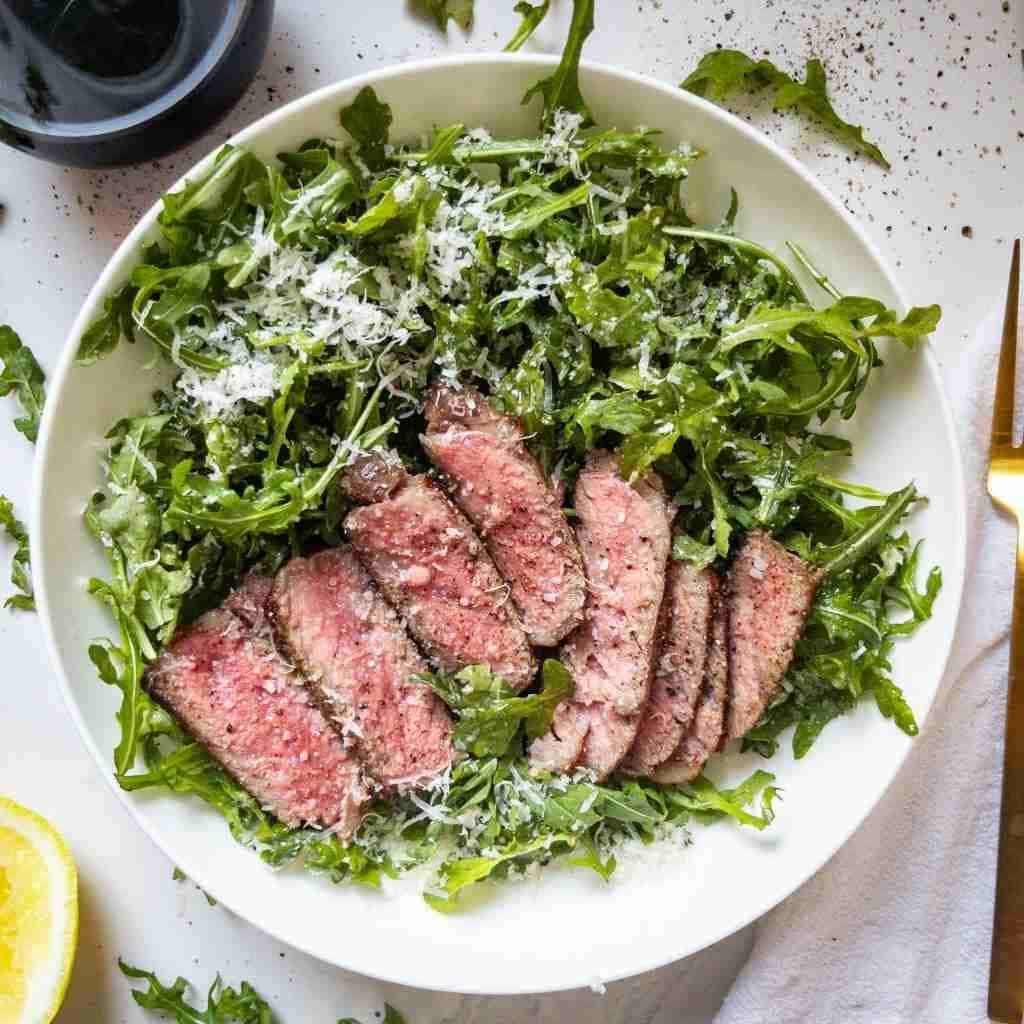
Steak and arugula salad is a bold, satisfying combination that feels more like a restaurant dish than a weeknight dinner. Quickly grill or pan-sear a flank steak or skirt steak, slice it thin against the grain, and lay it over a bed of peppery arugula.
Then scatter shaved parmesan, halved cherry tomatoes, and a handful of toasted pine nuts over the top. A simple dressing of lemon juice, olive oil, and a pinch of Dijon mustard ties everything together without overpowering the beef.
Always let the steak rest for at least five minutes before slicing so the juices redistribute and the meat stays tender. The warmth of the sliced steak wilts the arugula slightly, which is precisely the right texture for this salad.
Fruit-Forward Salads
Summer fruit belongs in salads as much as it belongs in desserts. The natural sweetness of seasonal fruit balances bitter greens, salty cheese, and tangy dressings in combinations that feel genuinely surprising and refreshing.
Watermelon and Feta Salad
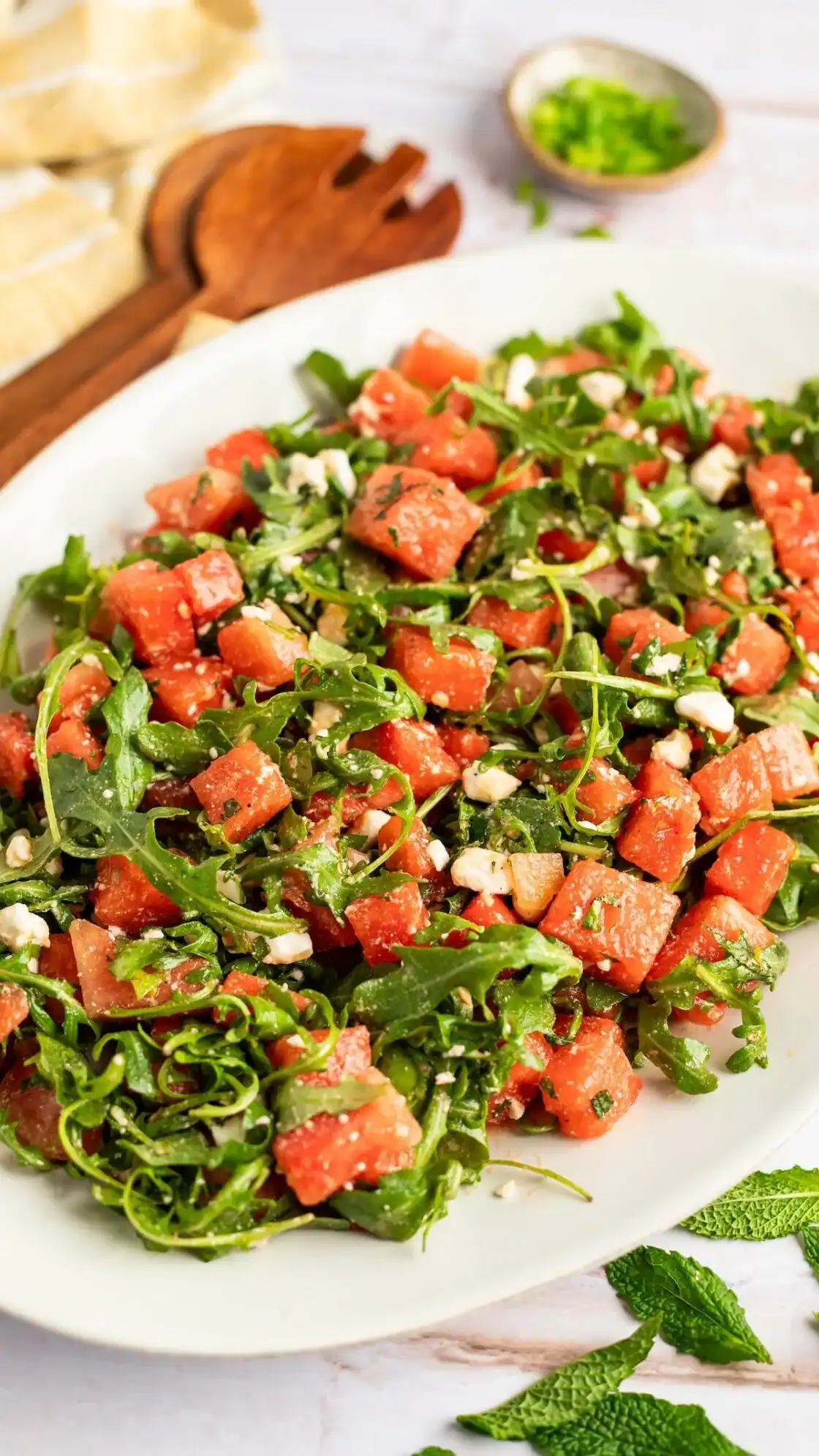
Watermelon and feta salad is summer distilled into a single bowl. Cube seedless watermelon and toss it with crumbled feta, fresh mint, thinly sliced red onion, and a squeeze of lime. The result is a combination of sweet, salty, and bright flavors that works every time.
Add a drizzle of olive oil and a pinch of chili flakes for depth and gentle heat that sharpens the sweetness of the watermelon. Sliced cucumber also keeps things crisp and cool without competing with the other flavors.
Assemble this salad just before serving since the watermelon releases liquid quickly and the feta softens over time. It pairs well with grilled proteins and also works as a standalone starter on a hot evening.
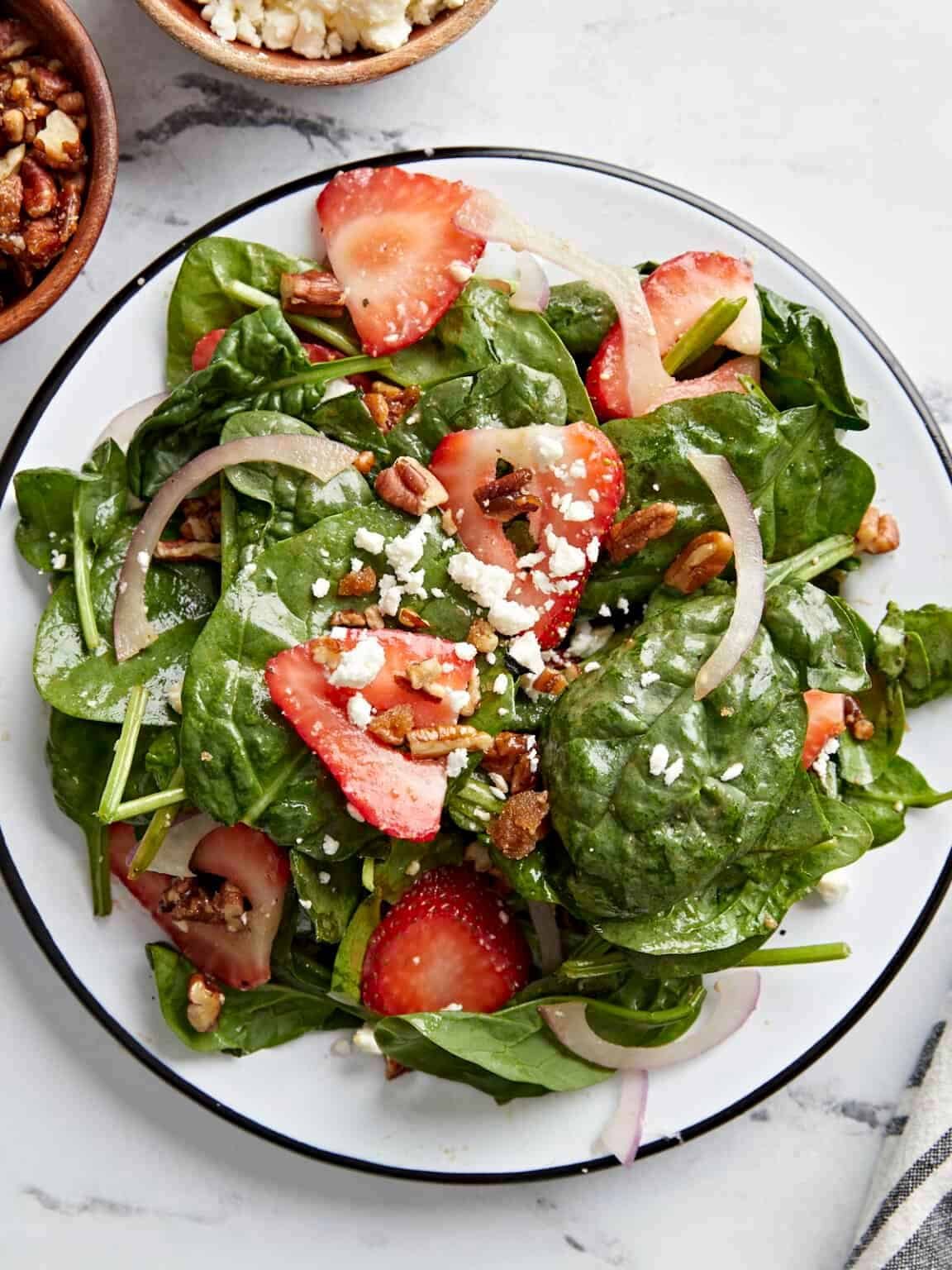
Strawberry Spinach Salad
Strawberry spinach salad is one of those pairings that sounds almost too simple but completely delivers. Fresh strawberries hit their peak during the summer months, and crumbled goat cheese or feta adds a tangy contrast that balances all that natural sweetness.
Choose baby spinach as the base because its mild flavor lets the strawberries take the lead. Then add thinly sliced red onion, candied pecans, and sliced almonds for texture and crunch throughout every bite.
For the dressing, whisk together olive oil, lemon juice, honey, and a touch of Dijon mustard. This ties everything together without overpowering the fresh ingredients. Finally, add grilled chicken strips or a scattering of chickpeas to turn it into a complete main course.
Slaw and Crunchy Salads
Slaw-style salads bring texture and crunch to the summer table in a way that leafy salad dishes often cannot match. These recipes hold up well over time, making them ideal for picnics, potlucks, and make-ahead meal prep.
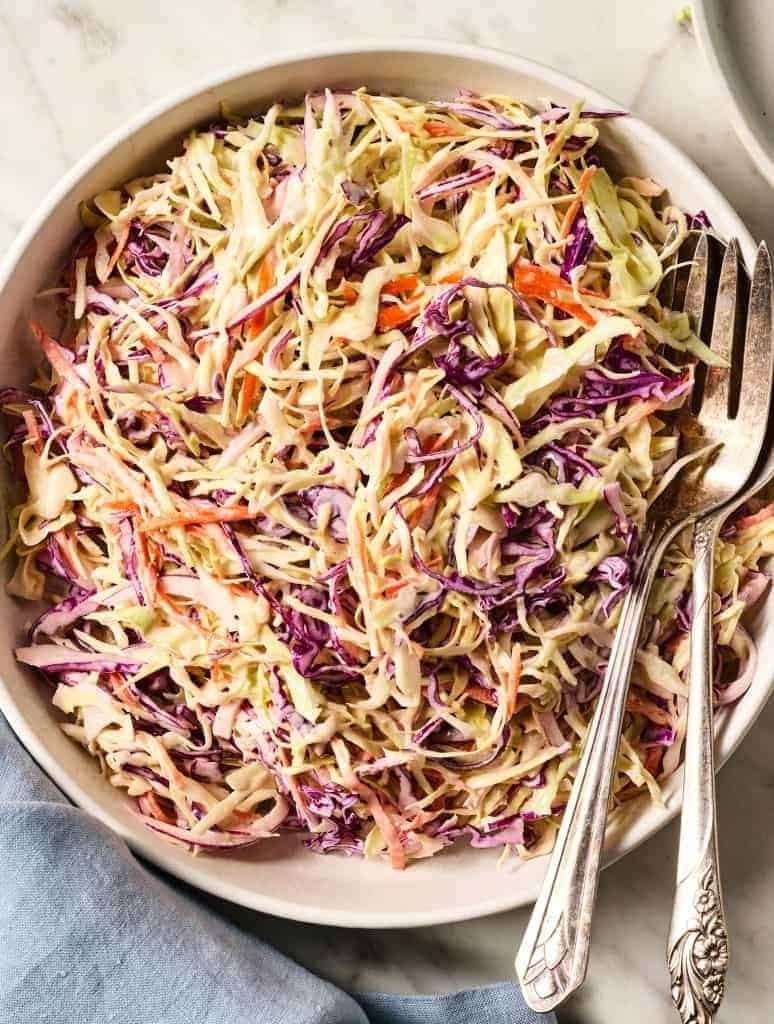
Classic Coleslaw
Classic coleslaw is the most reliable side salad in the summer repertoire. Thinly shred green and red cabbage, grate the carrots, then toss everything in a creamy dressing of mayonnaise, apple cider vinegar, a little sugar, celery seed, salt, and pepper.
The ratio of creamy to tangy in the dressing makes or breaks the salad. Start with equal parts mayo and vinegar, then adjust from there. The slaw should taste bright and slightly sweet, not heavy or overly rich.
Let the slaw sit in the fridge for at least an hour before serving so the cabbage softens slightly and the dressing works its way through the vegetables. It keeps well for up to three days and improves in flavor overnight.
Asian Sesame Slaw
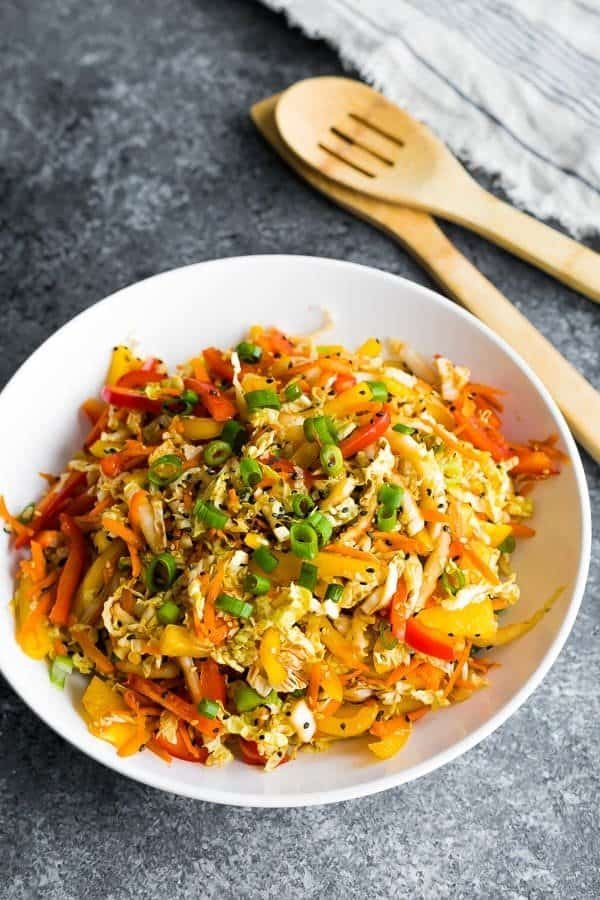
Asian sesame slaw brings an entirely different flavor profile to the slaw category. Shred napa cabbage and red cabbage, then toss them with shredded carrots, sliced scallions, and edamame in a dressing of sesame oil, rice vinegar, soy sauce, lime juice, honey, and freshly grated ginger.
Scatter toasted sesame seeds and sliced almonds on top to add crunch and a nutty flavor that carries through every bite. Then stir in a handful of fresh cilantro just before serving for brightness and a herbal note.
Because cabbage holds up better than leafy greens, this slaw stays crisp for hours. Make it ahead and refrigerate, but add the sesame seeds and almonds only just before serving to keep them crunchy.
Seafood Salads
Seafood salads are among the freshest and most satisfying options in the summer salad lineup. They come together quickly, require minimal cooking, and pair naturally with the light, bright flavors that define the season.
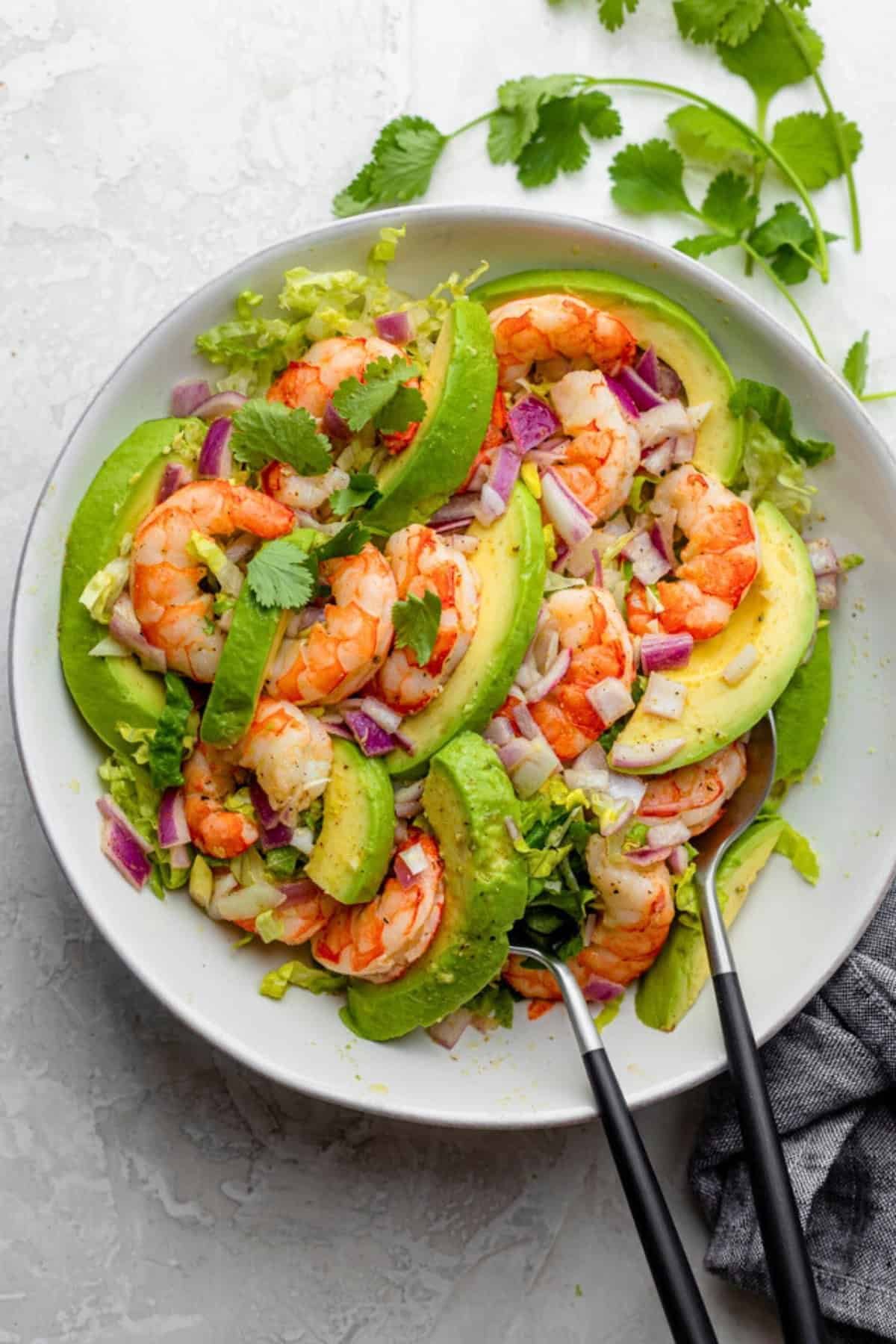
Shrimp and Avocado Salad
Shrimp and avocado salad is a cool, creamy combination that works as a light main course or a starter. Toss poached or grilled shrimp with diced ripe avocado, cherry tomatoes, thinly sliced red onion, and fresh cilantro in a dressing of lime juice, olive oil, and a pinch of cumin.
Add the dressing just before serving to keep the avocado from browning. A little jalapeño also adds gentle heat that plays well against the richness of the avocado and the sweetness of the shrimp.
Serve over butter lettuce or mixed greens for a plated presentation. Alternatively, scoop it into halved avocado shells for an impressive and easy starter.
Niçoise Salad
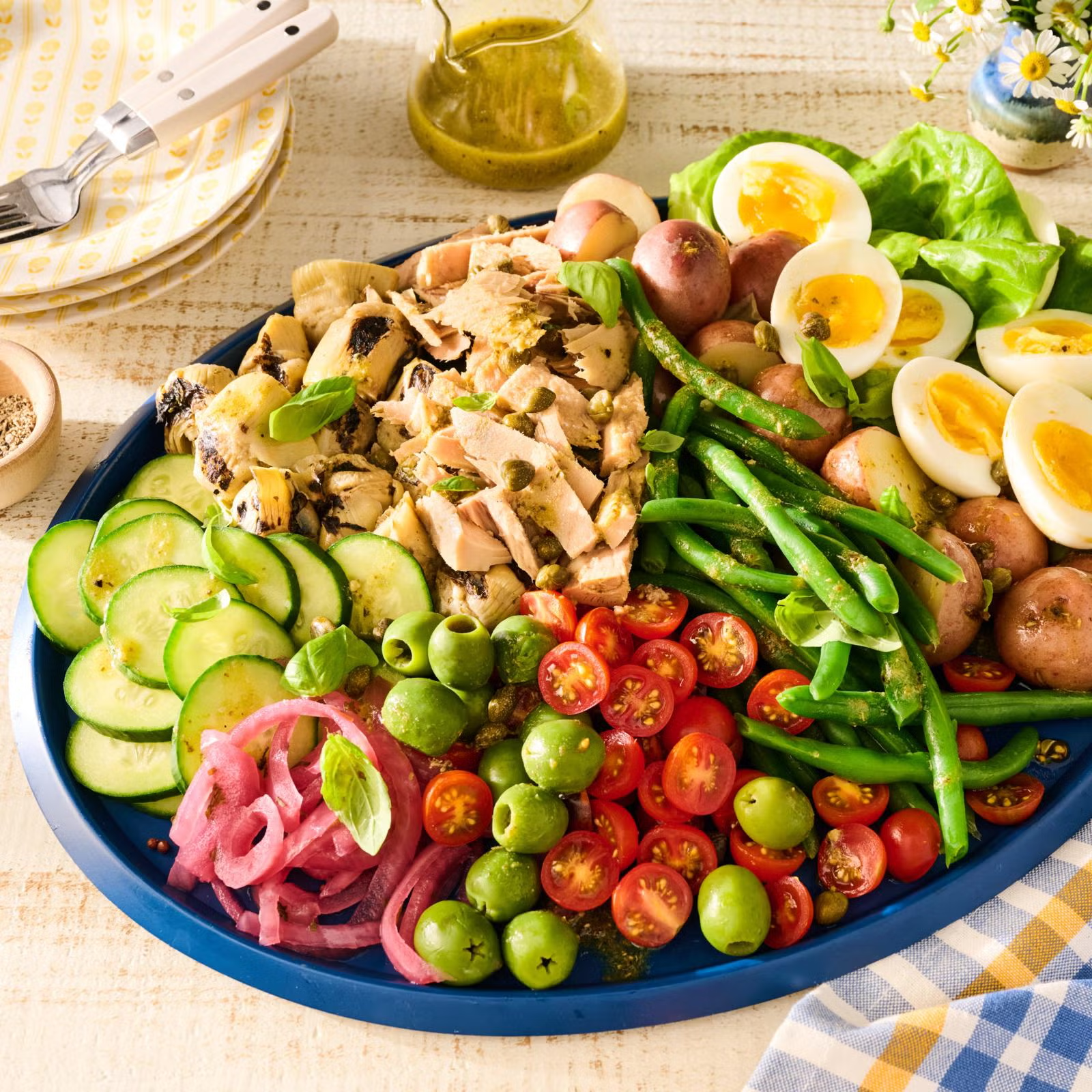
Niçoise salad is the most complete and composed salad in the summer guide. Arrange tender green beans, halved boiled eggs, sliced new potatoes, good-quality tuna, cherry tomatoes, black olives, and anchovies separately on a large platter rather than tossing them together.
Then drizzle a classic Dijon vinaigrette of olive oil, red wine vinegar, Dijon mustard, garlic, and fresh herbs over the whole platter. The composed presentation makes it look far more elaborate than the effort it actually takes.
Prep most components a day ahead and refrigerate them separately. Then arrange the platter just before serving and dress it at the table for the freshest result.
Mediterranean Salads
Mediterranean salads rely on olive oil, fresh herbs, lemon, and seasonal vegetables to create clean and vibrant flavors. These recipes are light but deeply satisfying and work equally well as sides or main courses.
Fattoush
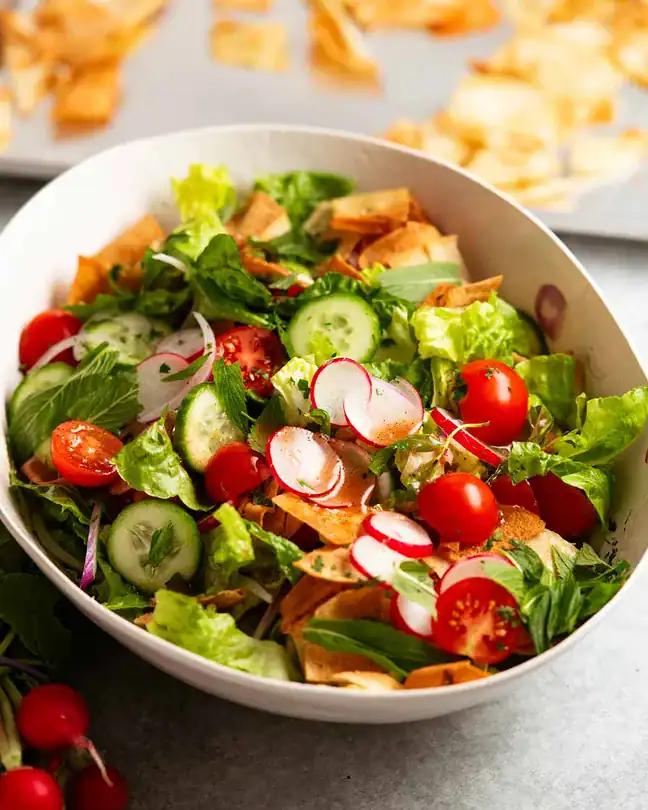
Fattoush is a Lebanese bread salad that brings together toasted pita, crisp vegetables, and fresh herbs in a tangy, herb-forward bowl. Toast or fry the pita first, then tear it into pieces and toss with chopped romaine, sliced radishes, diced cucumber, cherry tomatoes, scallions, fresh parsley, and mint.
For the dressing, whisk together olive oil, lemon juice, pomegranate molasses, garlic, and sumac. The sumac gives the whole salad a distinctive tart and slightly floral flavor that sets it apart from any other summer salad. Add the pita right before tossing so it stays crisp.
Sumac is available at most Middle Eastern grocery stores and is worth seeking out. It adds a brightness that lemon juice alone cannot replicate. Eat this salad immediately after assembling for the best texture.
Tabbouleh
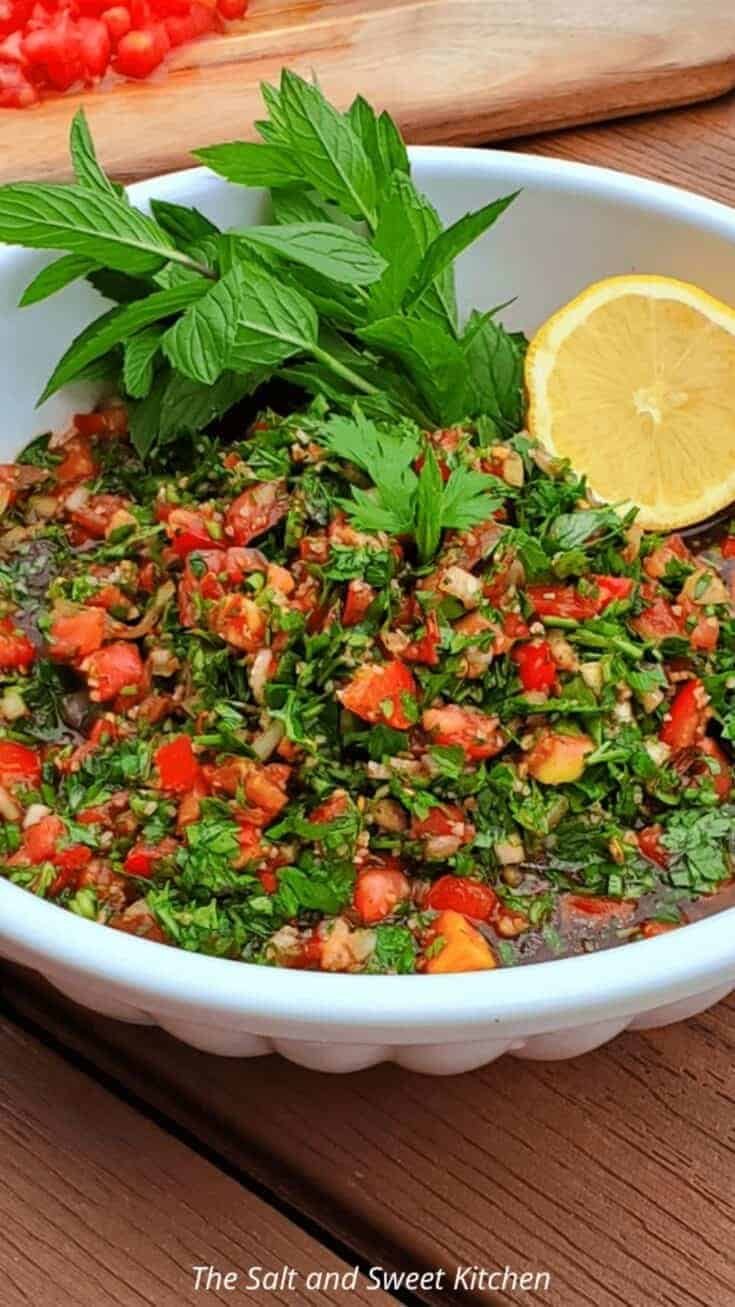
Tabbouleh is the herb-forward Lebanese salad that belongs on every summer table. Finely chop a generous amount of flat-leaf parsley and combine it with fresh mint, ripe tomatoes, cucumber, and bulgur wheat that you have soaked and drained rather than cooked.
For the dressing, simply mix lemon juice, olive oil, salt, and a pinch of allspice. Keep the ratio heavily weighted toward parsley rather than grain. A tabbouleh that tastes mostly of grain rather than herb has the balance wrong.
Prepare the salad at least 30 minutes ahead and refrigerate so the bulgur absorbs the dressing. It keeps well for up to three days and gets more flavorful the longer it sits.
Asian-Inspired Salads
Asian-inspired salads bring bold, layered dressings and unexpected textures to the summer table. Sesame oil, ginger, soy sauce, and citrus create flavor combinations that feel completely distinct from Western salad traditions and offer a genuinely refreshing change of direction.
Mango and Cucumber Salad
Mango and cucumber salad is a sweet, cool, and slightly spicy combination that works as a starter, a side, or a light lunch. Slice ripe mango and cucumber thinly, then toss them with shredded carrots, sliced scallions, and fresh cilantro in a dressing of lime juice, fish sauce, honey, garlic, and thinly sliced red chili.
Choose a mango that is ripe but still firm enough to hold its shape. Overripe mango turns mushy in the dressing and loses its texture. Just before serving, scatter toasted peanuts on top for crunch and a rich, nutty flavor that anchors the sweetness of the mango.
The dressing and prepped vegetables can sit in the fridge for several hours. However, assemble the full salad just before serving for the best texture and freshness.
Sesame Ginger Noodle Salad
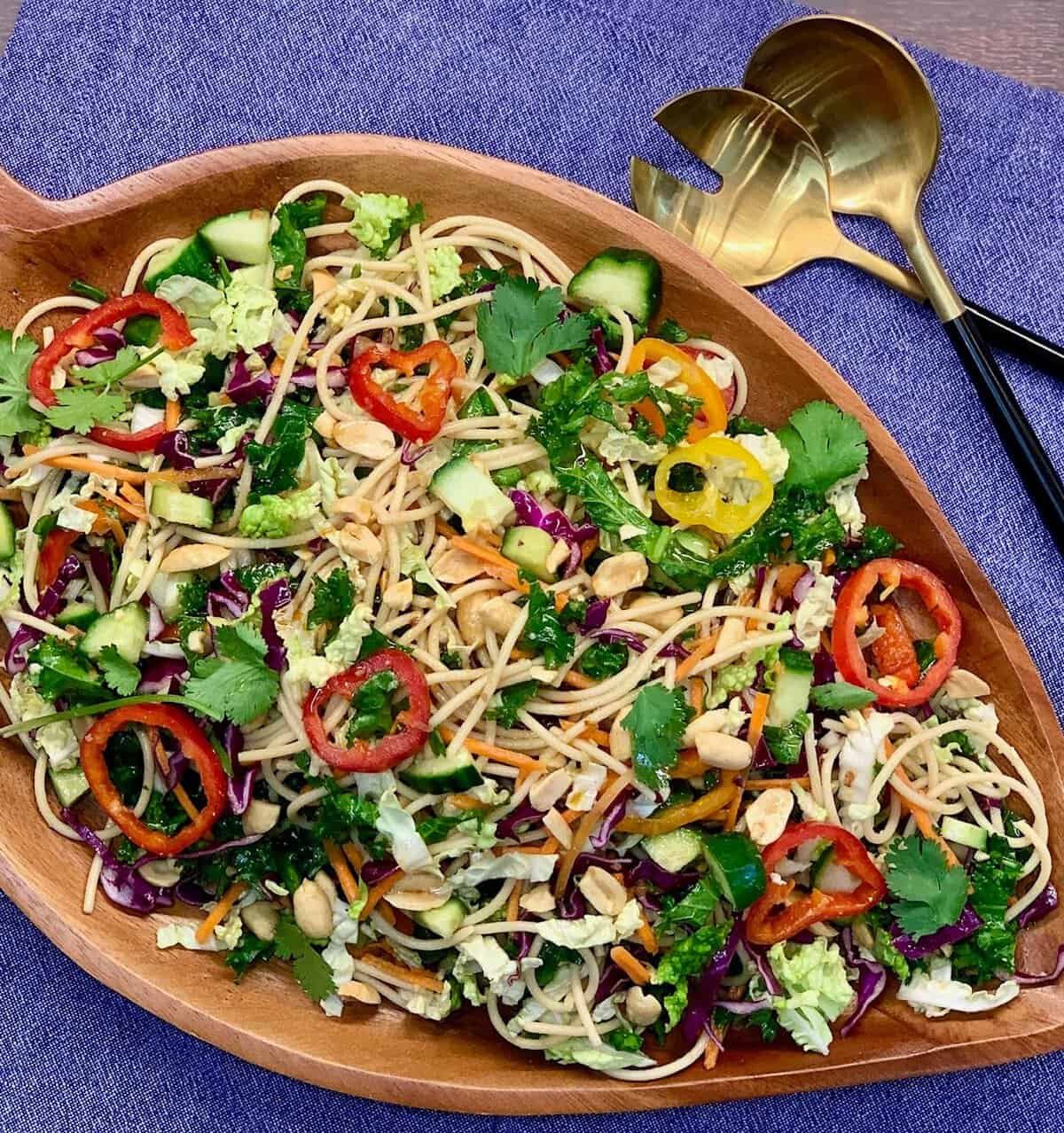
Sesame-ginger noodle salad is a satisfying and delicious choice that seamlessly blends the characteristics of both salad and noodle dishes. Cook soba or rice noodles, rinse them under cold water, and drain completely before dressing.
Next, toss the noodles with shredded purple cabbage, julienned carrots, sliced snap peas, edamame, and scallions. For the dressing, combine sesame oil, soy sauce, rice vinegar, fresh ginger, garlic, honey, and a spoonful of peanut butter for a rich, nutty base that coats every noodle.
Finish with toasted sesame seeds, sliced scallions, and fresh cilantro on top. Additionally, grilled chicken or shrimp makes an excellent addition to a complete main course. The salad holds up well in the fridge and works as a make-ahead option for busy weeknights.
Sides, Dressings, and Final Thoughts
The right dressing or finishing detail separates a good summer salad from a great one. A few well-chosen additions round out any bowl without adding much extra time or effort.
Vinaigrettes and Creamy Dressings
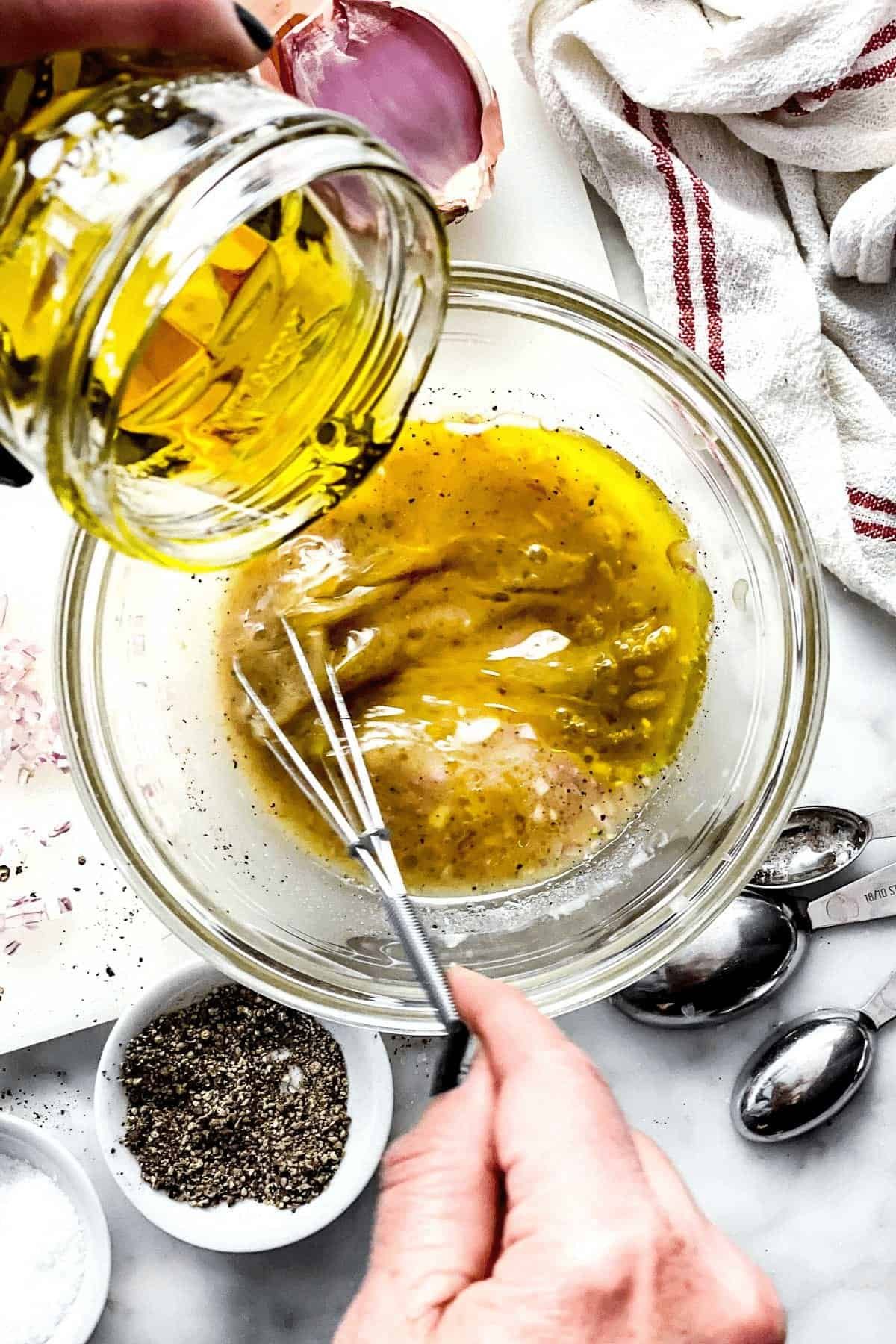
A well-made vinaigrette is the most useful tool in the summer salad kitchen. The basic ratio is three parts oil to one part acid, whether that is lemon juice, red wine vinegar, white wine vinegar, or balsamic. A small amount of Dijon mustard acts as an emulsifier and keeps the dressing cohesive.
Classic vinaigrettes to have on hand throughout the season:
- Lemon herb: Lemon juice, olive oil, Dijon, garlic, fresh thyme
- Balsamic: Balsamic vinegar, olive oil, honey, Dijon, garlic
- Red wine: Red wine vinegar, olive oil, shallot, oregano, a pinch of sugar
Creamy dressings like Caesar, ranch, and tahini-based options work best on heartier greens like romaine, kale, and radicchio. All dressings keep well in a sealed jar in the fridge for up to a week. Always shake before using.
Toppings and Crunch Elements
The right topping transforms a basic salad into something with genuine textural contrast. Croutons, toasted nuts, seeds, and crispy chickpeas all add crunch without complicating the recipe or requiring much extra preparation.
A few topping combinations worth keeping in the summer salad rotation:
- Toasted pine nuts and shaved parmesan for Mediterranean salads
- Candied pecans and dried cranberries for fruit-forward combinations
- Crispy chickpeas roasted with olive oil and smoked paprika for grain bowls
- Toasted sesame seeds and crushed peanuts for Asian-inspired salads
Finally, use fresh herbs as a topping rather than just a garnish to add a last layer of flavor that ties the whole salad together. A handful of torn basil, fresh mint, or flat-leaf parsley scattered over the top just before serving makes a noticeable difference in every bite.