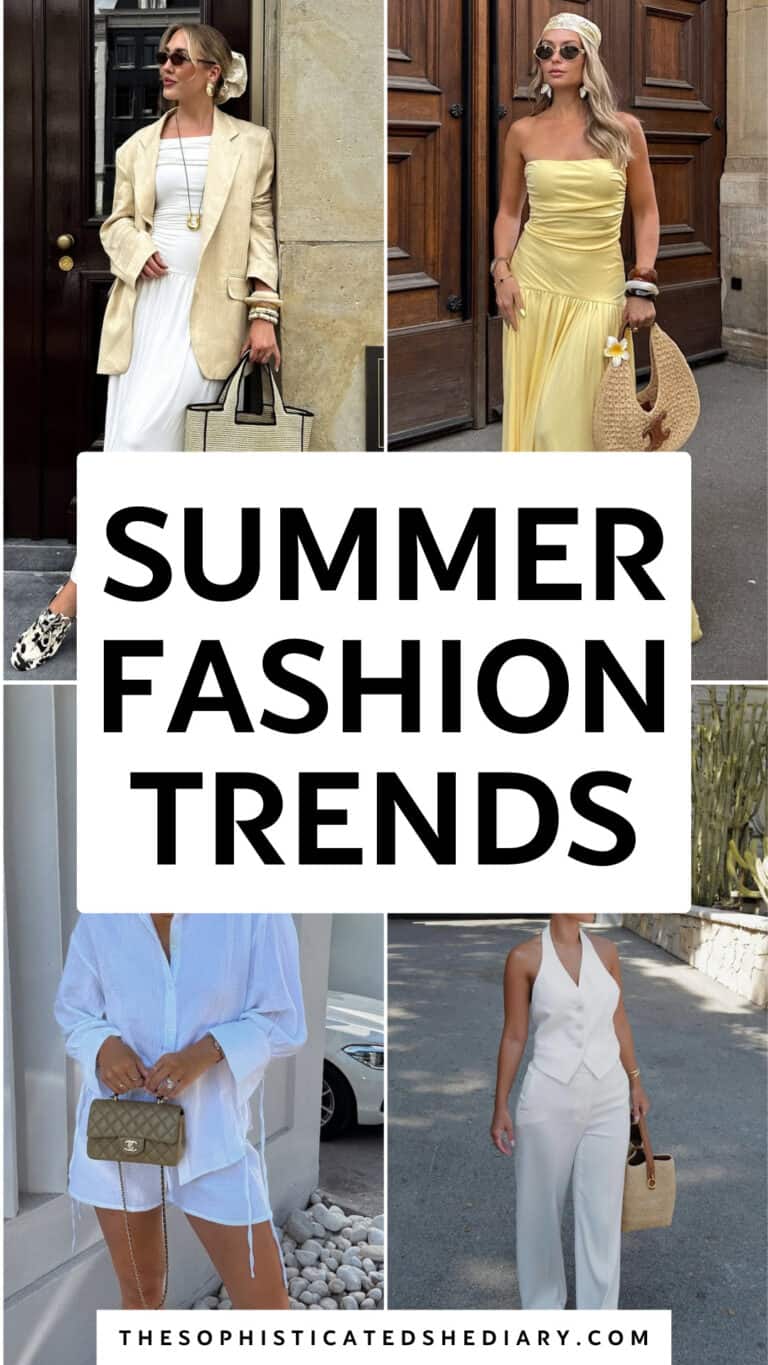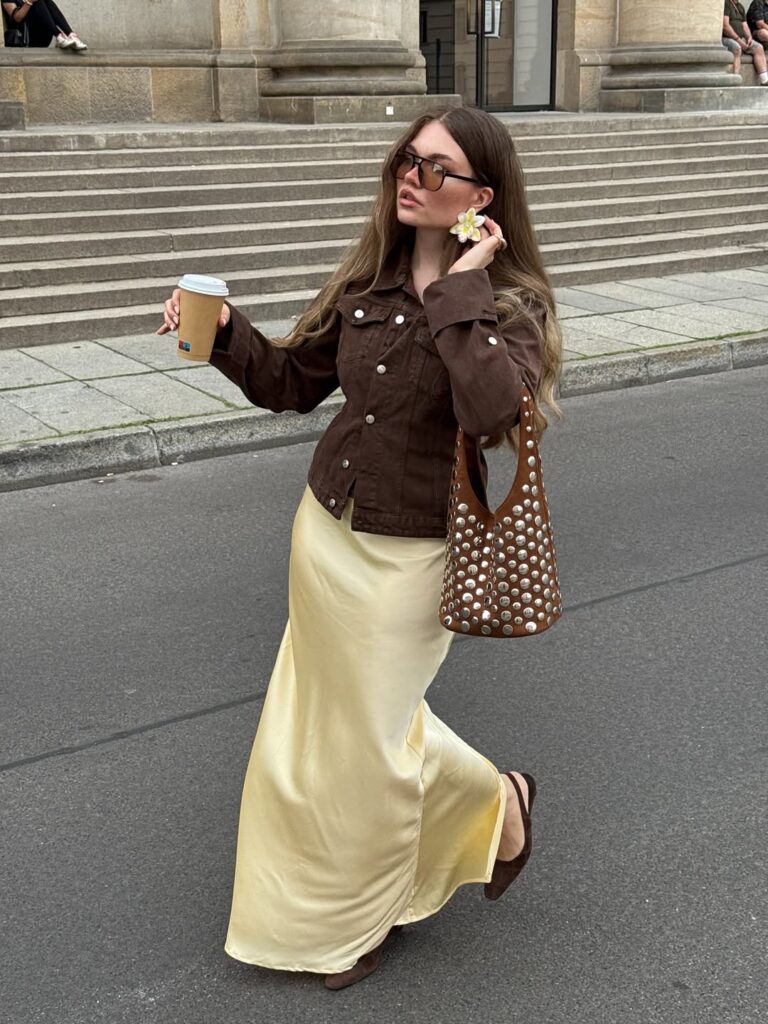

A dress is the most efficient piece of clothing in a spring wardrobe. One item handles the entire outfit decision, and when chosen correctly, it works across more contexts than almost any combination of separates. The challenge is not finding spring dresses worth wearing. It is important to understand which styles, shapes, and fabrics serve your actual life rather than an idealized version of it. This guide covers every category from casual florals to occasion dressing, plus how to style, shop, and care for what you buy.
Why Dresses Matter in Spring: Versatility, Comfort, and the Seasonal Shift
Spring dressing is fundamentally about transition. The wardrobe needs to handle cool mornings, warm afternoons, and everything the social calendar throws at it between March and June. Dresses manage the transition more gracefully than almost any other garment category because a single piece can be layered up or down, dressed for work or a weekend, and moved between occasions with a footwear change.
The fabrics available in spring, linen, cotton, lightweight jersey, and bias-cut satin are also at their most wearable during this season, specifically. They breathe well, move naturally, and respond to the warmer light in a way that heavier winter fabrics simply do not. A well-chosen spring dress does not just look right for the season. It feels right in a way that makes the whole dressing process easier.
Spring Floral Dresses: Print Scale, Muted Palettes, and the Bias Cut Slip
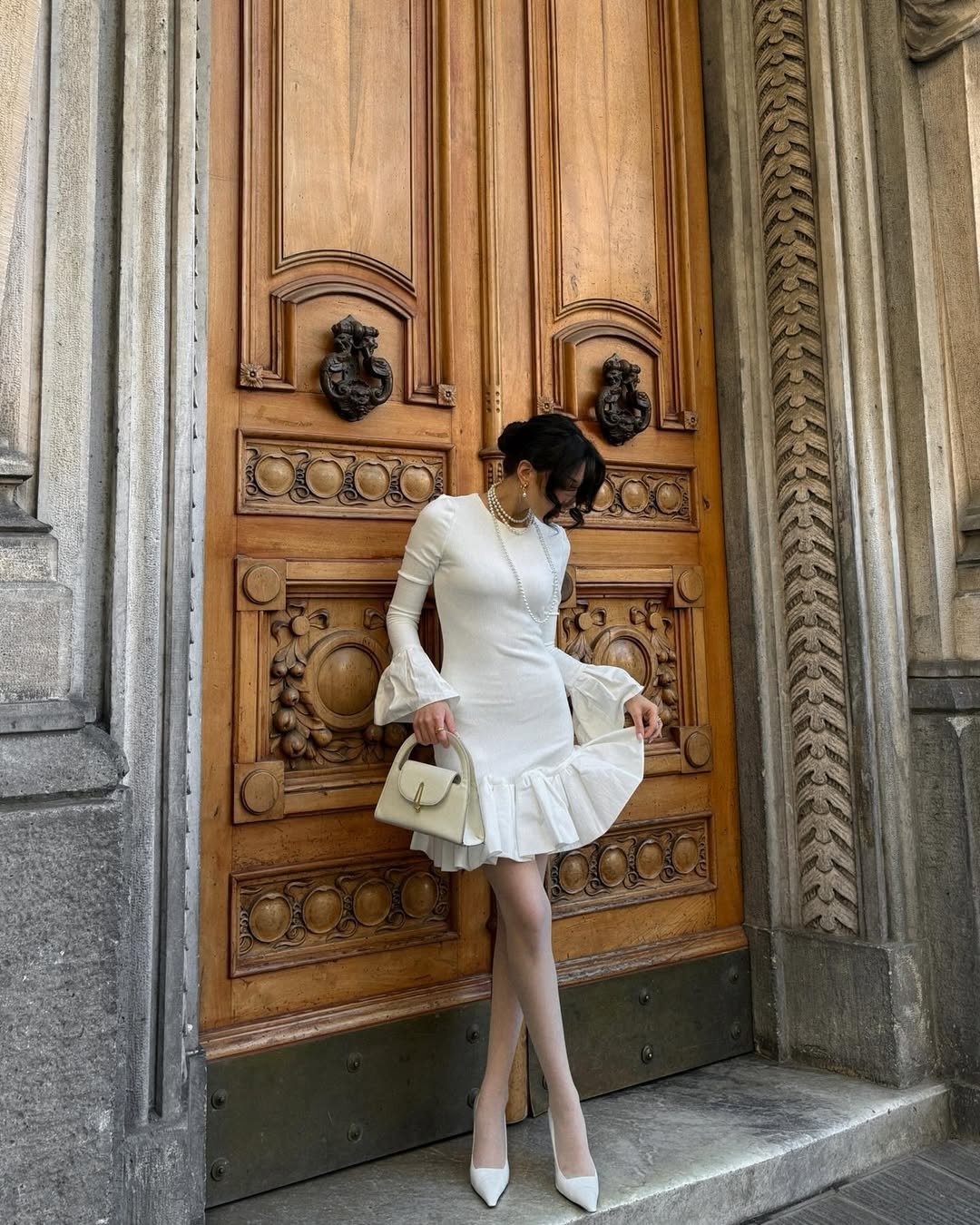
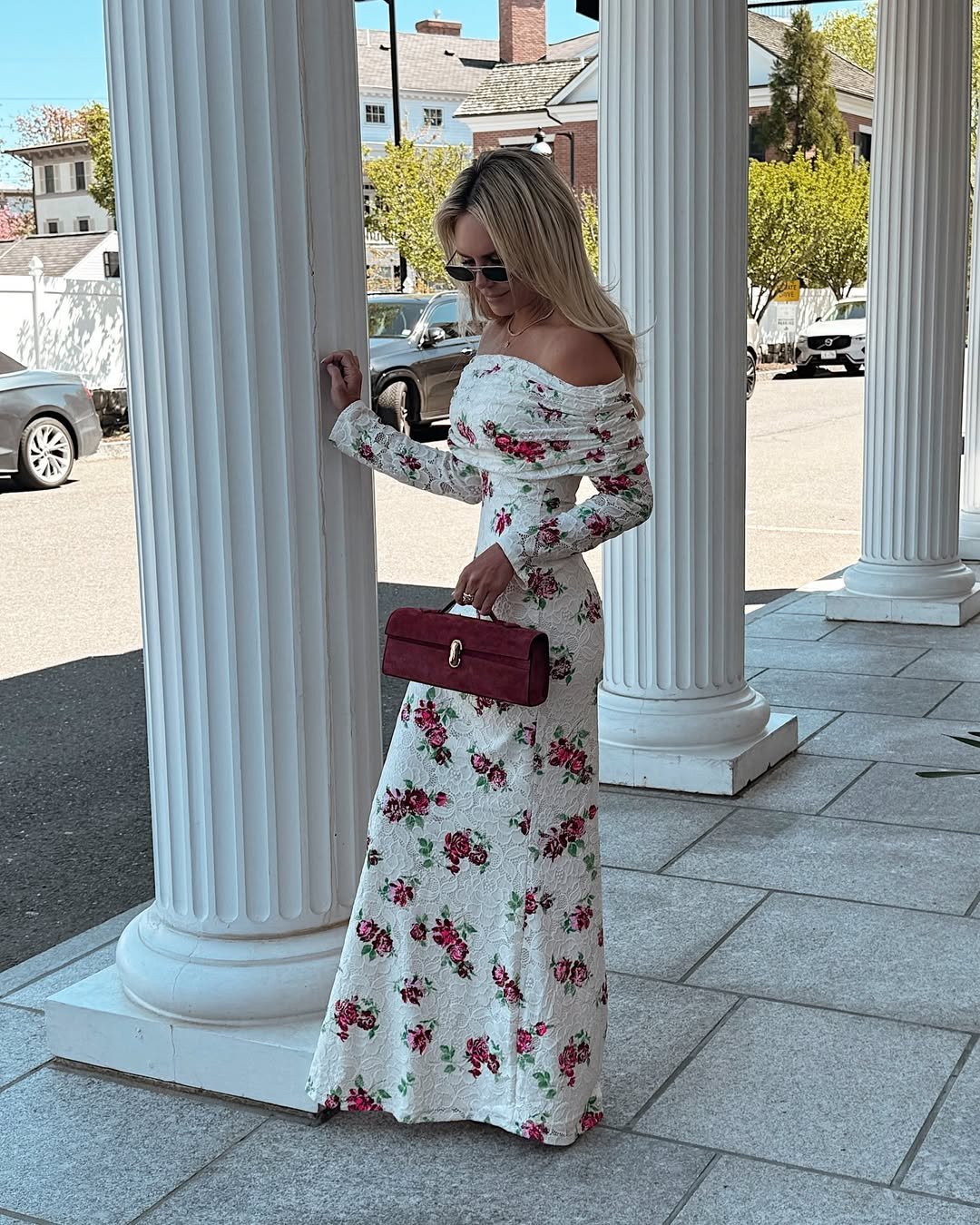
Floral dresses are the defining visual of the season, but the difference between a floral that looks considered and one that looks generic lies in three key decisions: print scale, color palette, and style. A large-scale floral on a midi wrap dress reads as fashion-forward rather than safe. Muted or earthy-toned florals in terracotta, sage, and dusty rose carry significantly more sophistication than bright primary-colored prints and work better under natural spring light.
A floral slip dress in a bias cut is the most versatile single piece in this category. It transitions from daytime with clean sneakers to evening with heeled sandals without requiring any structural change to the outfit. When choosing a floral print, consider your proportions. The print scale should complement your frame rather than overwhelm or disappear on it.
Spring Midi Dresses: Linen Solids, Wrap Styles, and the Occasion Bridge
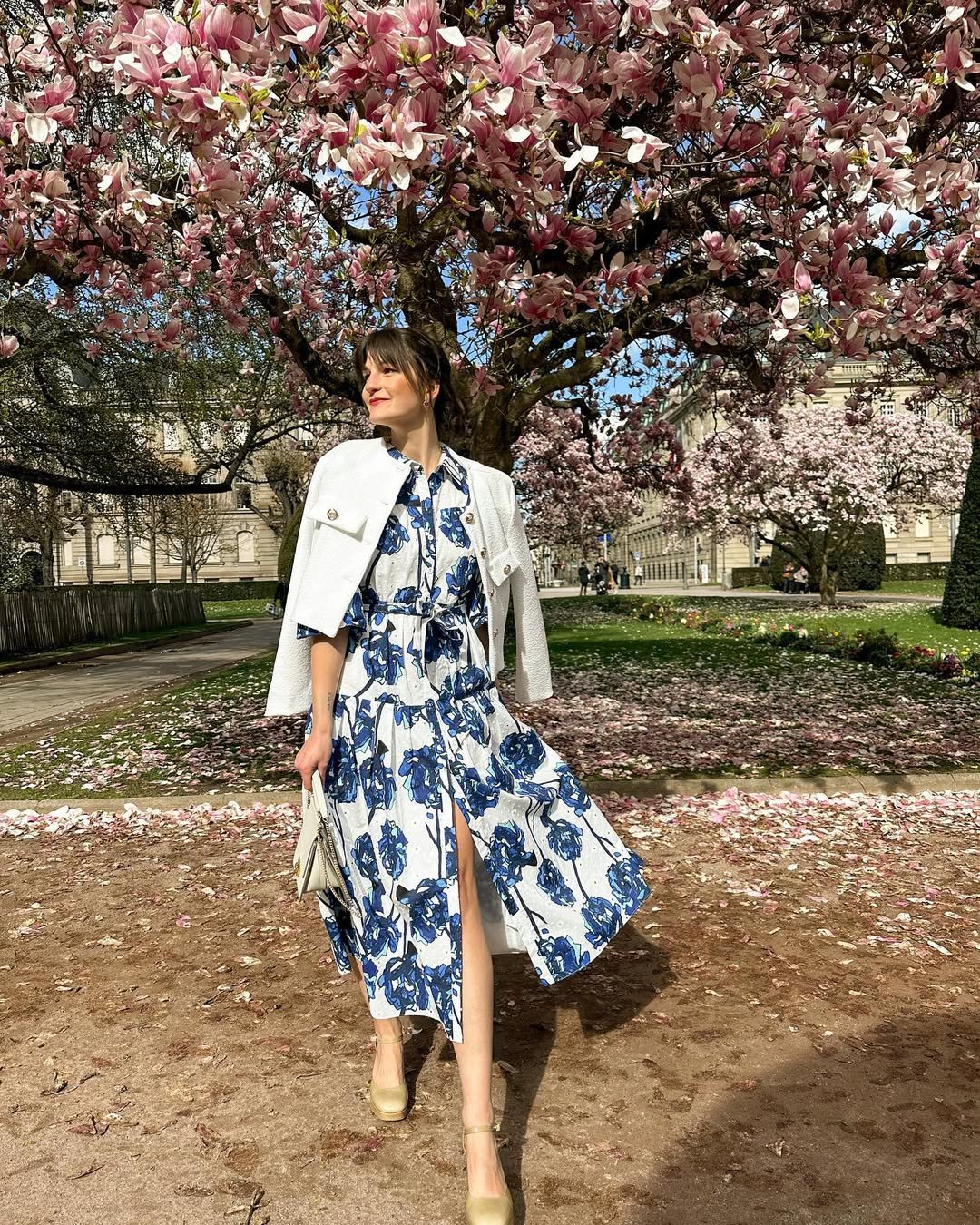
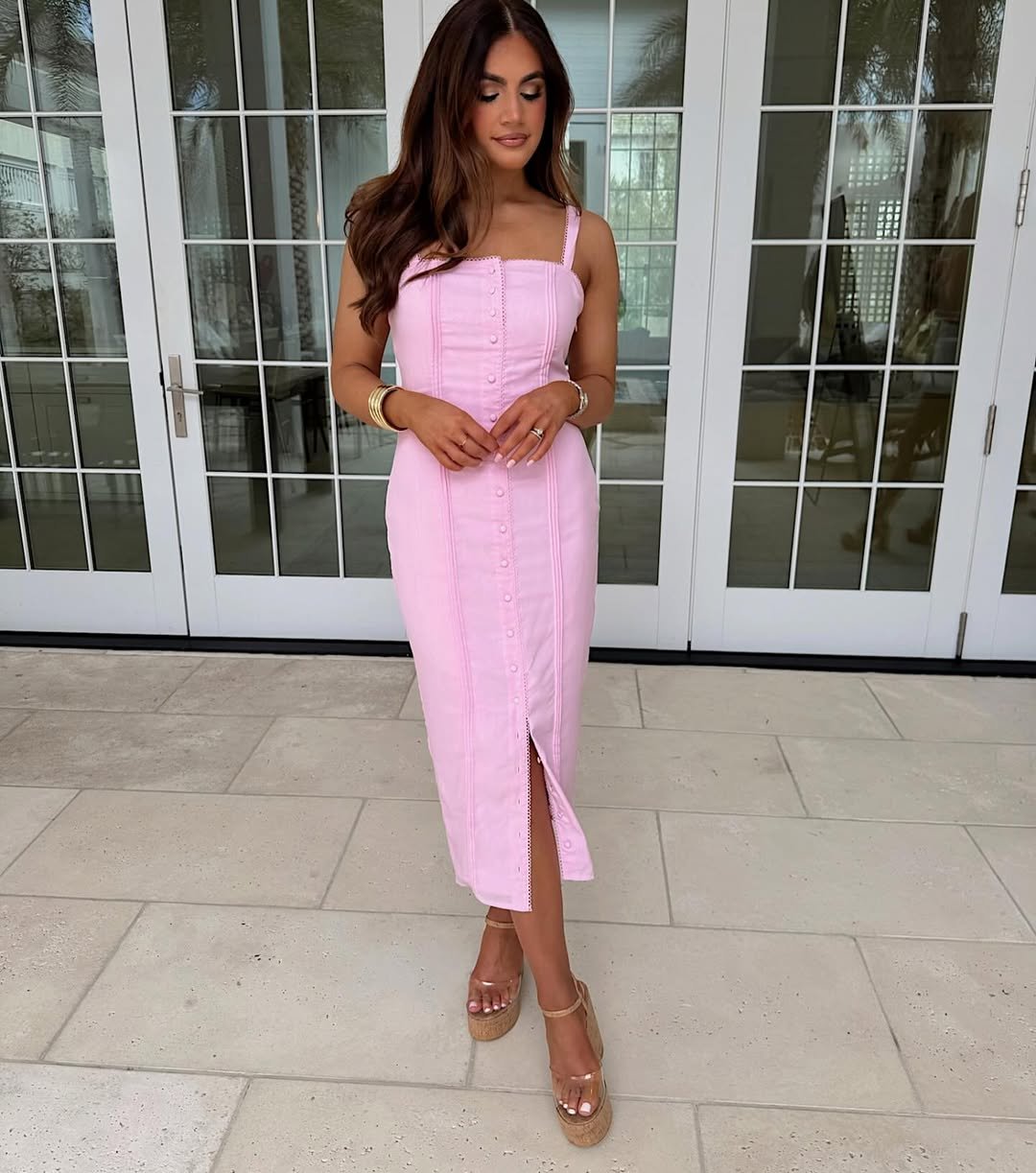
The midi length is the most reliably flattering and contextually flexible option in spring dressing. It works in professional environments, at outdoor events, and in casual settings without requiring significant styling adjustments between them. A linen midi in a solid warm neutral is the foundation piece of a spring wardrobe. It pairs with sandals, loafers, or ankle boots equally well and never reads as overdressed or underprepared.
A midi wrap dress in a subtle print adds visual interest without the commitment of a bold statement piece. The wrap styling adjusts to different body shapes more forgivingly than most fixed-waist styles, which makes it one of the more practical investments in this category. The midi’s greatest strength is that it removes the proportion anxiety that comes with shorter lengths while still feeling genuinely spring-appropriate rather than transitional.
Spring Maxi Dresses: Breathable Fabrics, Simple Shapes, and Outdoor Events
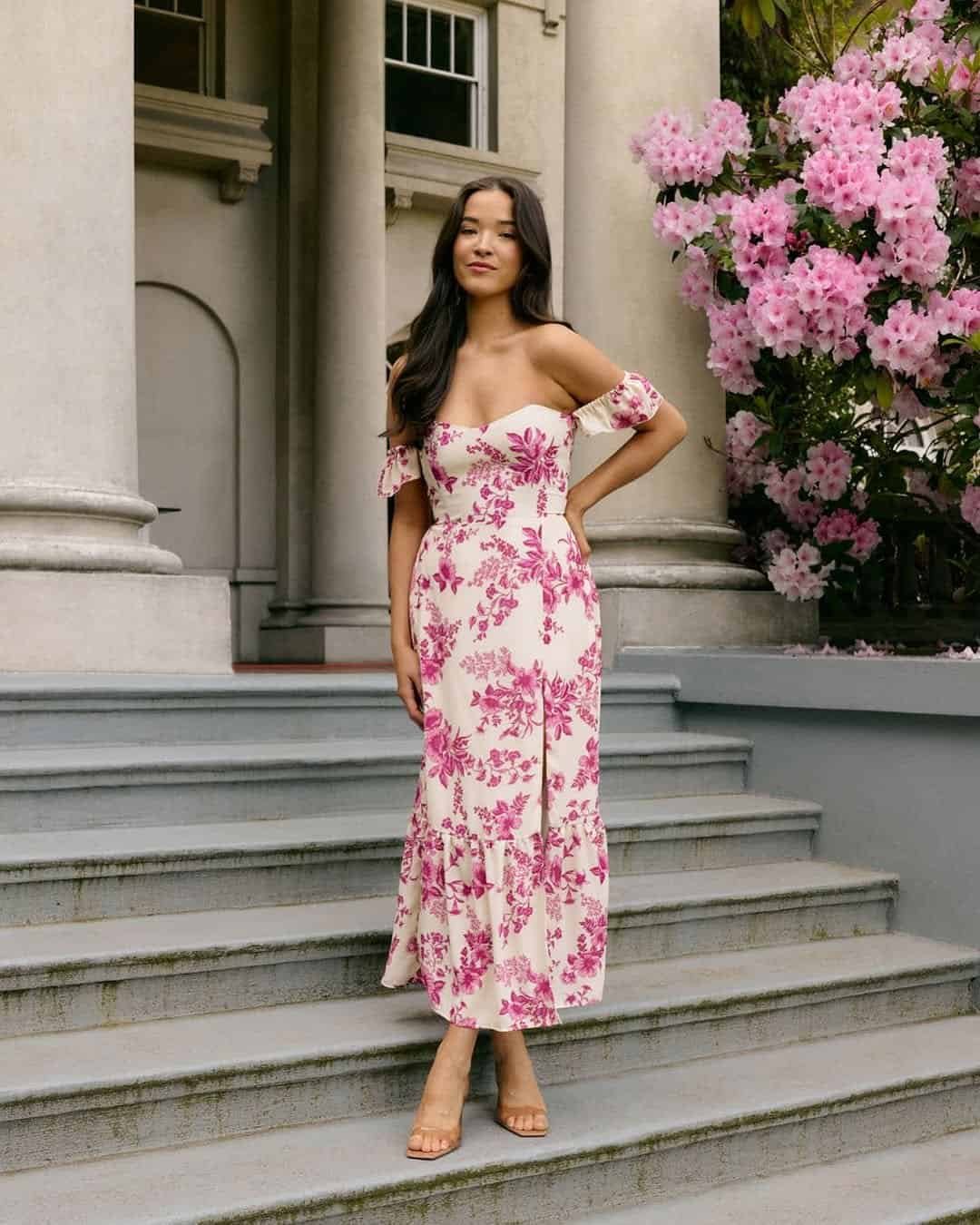
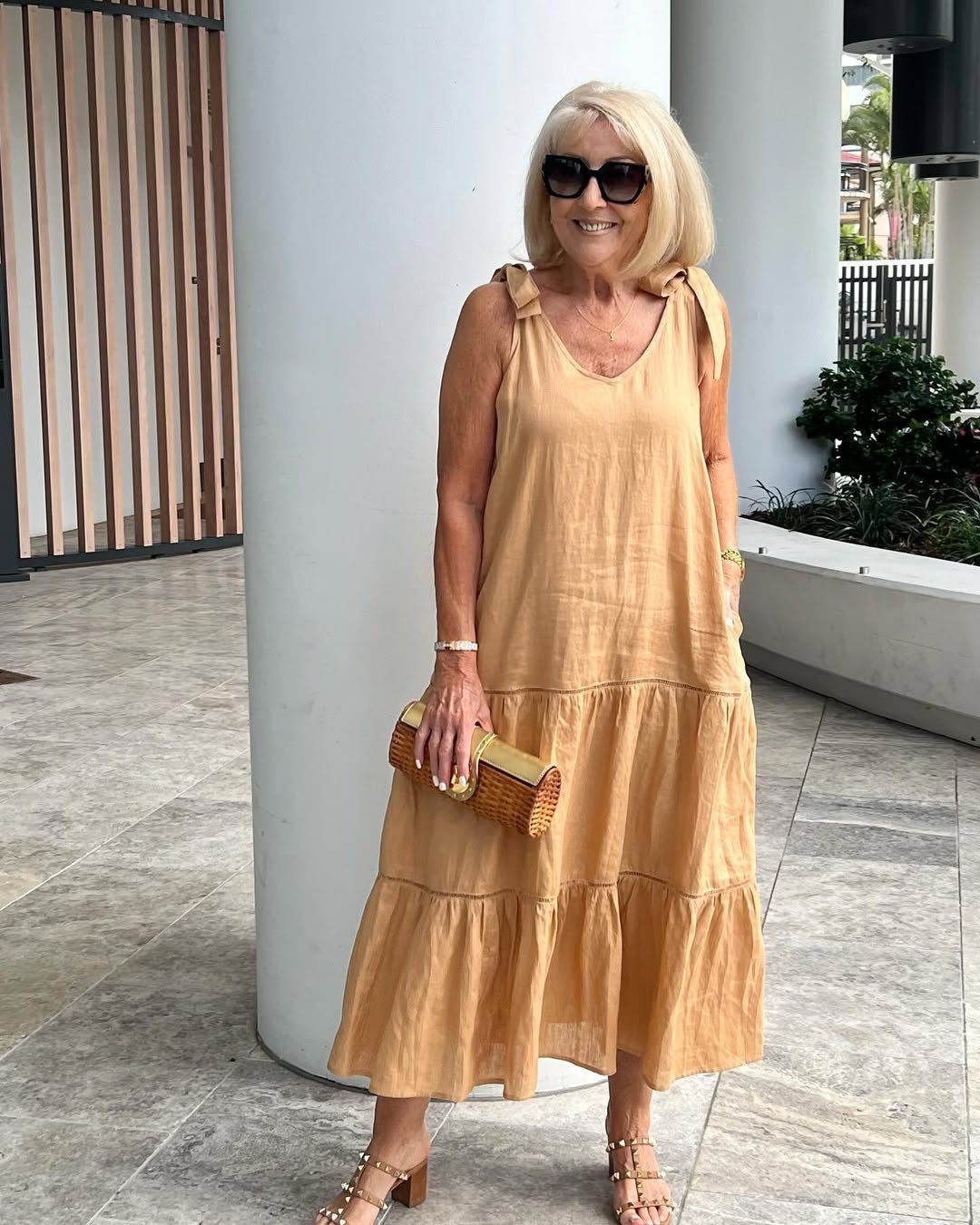
A well-chosen maxi dress is one of the lowest-effort, high-impact pieces available for spring. The key decisions are fabric and style. Linen and cotton handle warm weather correctly and photograph well in natural light. A simple style in a solid color delivers understated elegance that works across a wider range of occasions than a heavily printed or embellished alternative.
A halter-neck maxi suit is suitable for outdoor events where the neckline can be appreciated, and the style feels contextually appropriate. A structured strapless maxi moves the same style into more formal territory for garden parties or outdoor weddings. The maxi length rewards confident, minimal styling. Keep accessories clean and let the dress and fabric do the work.
Spring Mini Dresses: A-Line Structures, and Bold Prints
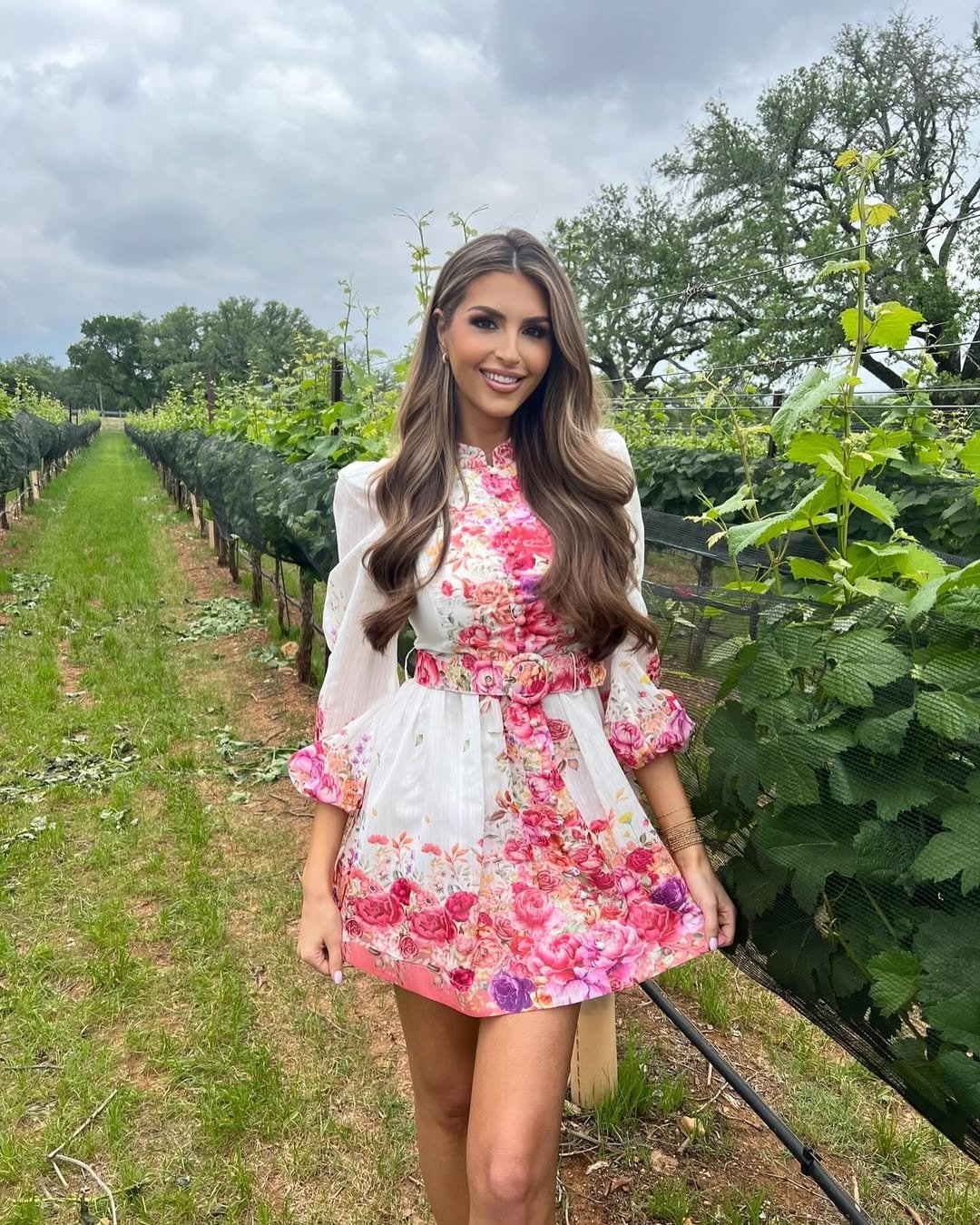
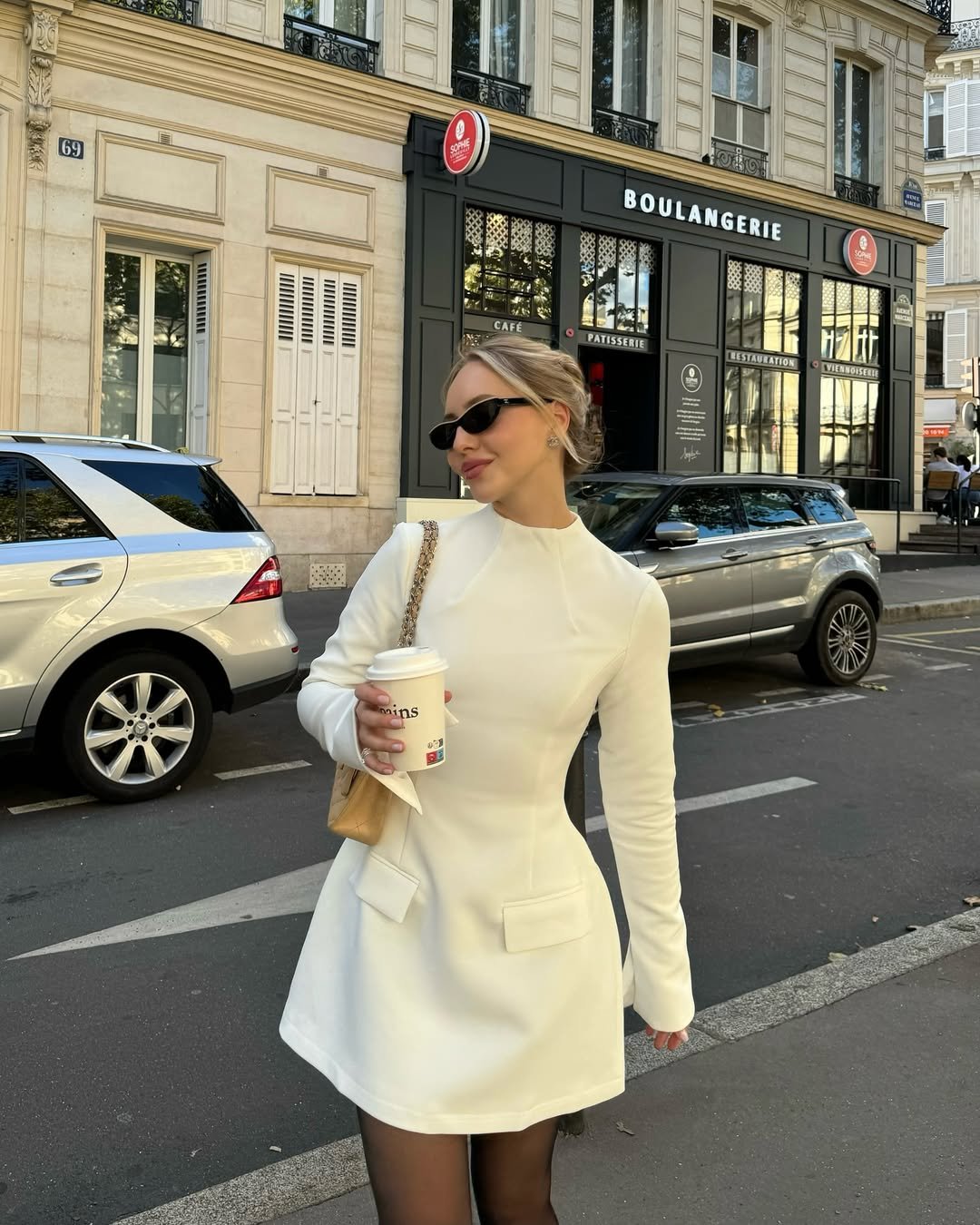
The minidress requires the most deliberate approach to proportion for any dress length. A structured A-line mini in a solid color reads as more formal than a bodycon and suits outdoor events and smart casual occasions without tipping into inappropriateness. A printed mini in a strong geometric or abstract pattern makes a fashion-forward statement that needs no additional decoration, which means accessories should stay simple and let the print lead.
The critical rule with mini dresses is avoiding the stacking of multiple short elements in the same outfit. When the dress is already the shortest piece, everything else in the look should counterbalance rather than amplify. Clean footwear, a minimal bag, and restrained jewelry keep the focus where it belongs.
Everyday Spring Casual Dresses: T-shirt Dress and Linen Dress
The casual spring dress category is where wearability matters more than any other quality. The best options in this group move from errands to spontaneous plans without requiring a rethink. A simple jersey t-shirt dress, a cotton smocked style, or a relaxed linen shift all qualify. The test is whether the dress handles the full range of a regular day without feeling like it is working too hard in any direction.
Versatility within the casual category also comes from the styling range. The same dress worn with a denim jacket and sneakers for a weekend morning should be able to move into afternoon plans with a swap to sandals and a light crossbody. If a casual dress only works in one context, it is not earning its place in a spring wardrobe.

Spring Dresses for Work: Structured Midis, Wrap Dresses, and the Blazer Layer
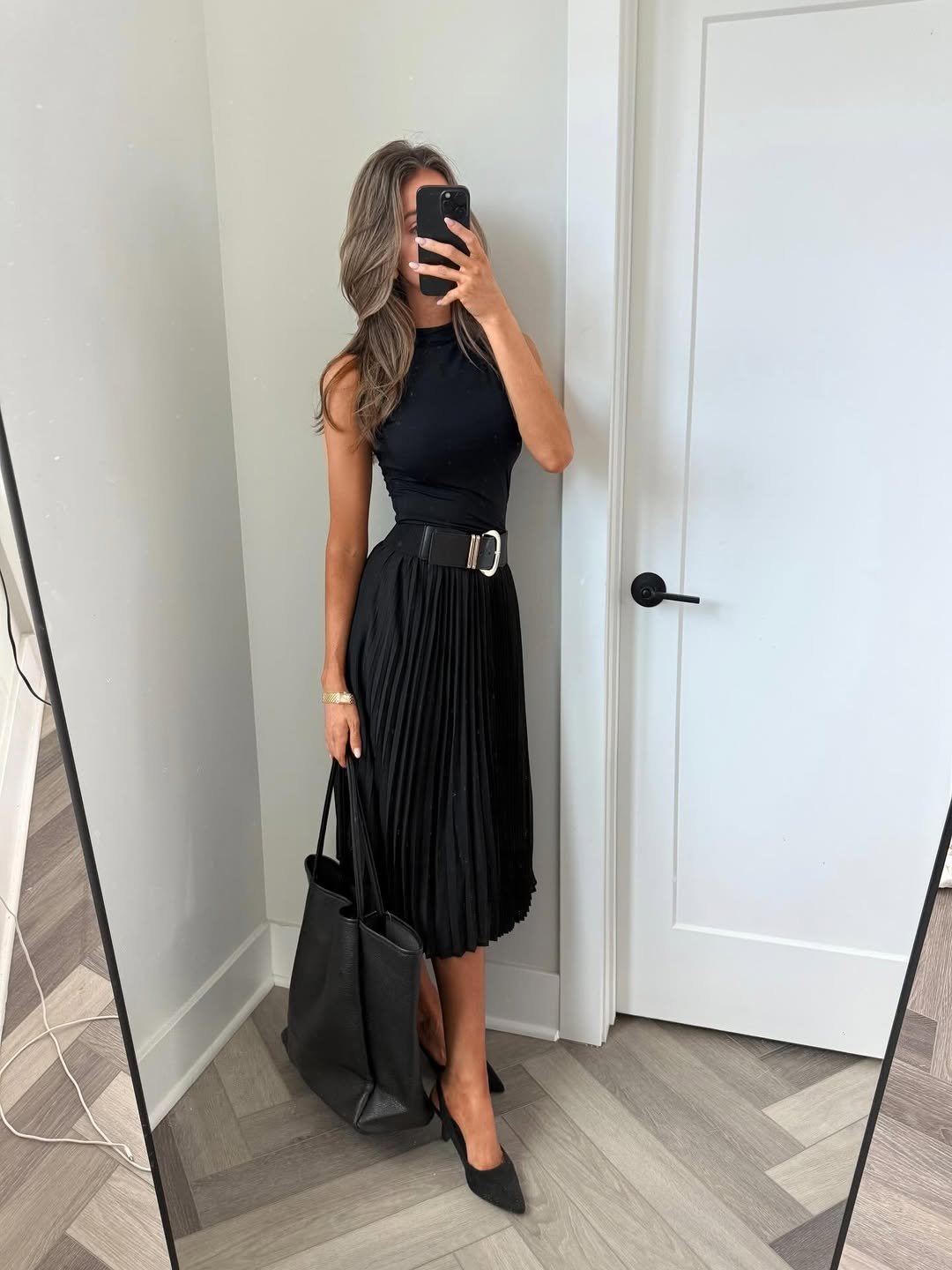
Professional spring dressing has a clear formula that works consistently across most office environments. A structured midi in a solid professional color, navy, forest green, burgundy, or camel, is the most reliable single option. It reads as intentional, suits most workplace dress codes, and requires minimal accessorizing to feel complete.
A wrap dress in a spring print with a blazer layer is the second reliable professional formula, adding personality without sacrificing appropriateness. A shirtdress in quality cotton or linen, belted at the waist, delivers a polished yet breathable option for warmer days. Keep a blazer or structured cardigan at your desk regardless of what you wear underneath. Office air conditioning in spring is genuinely unpredictable, and a layer resolves both the temperature and the formality questions simultaneously.
Special Occasion Spring Dresses: Florals, and Jewel Tones
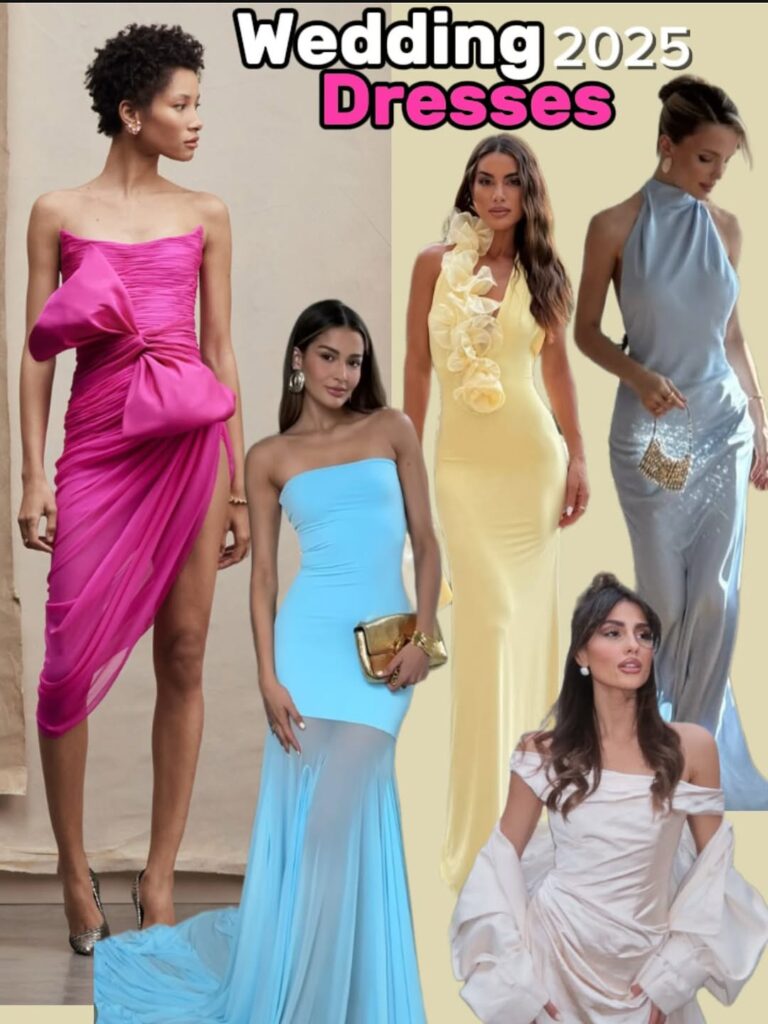
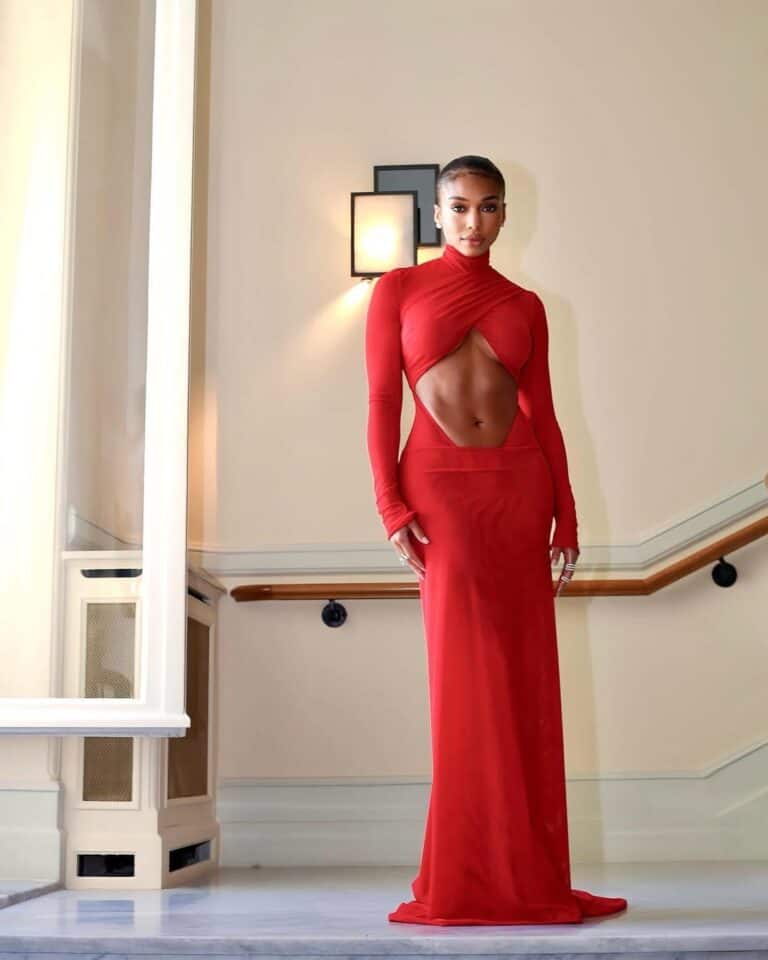
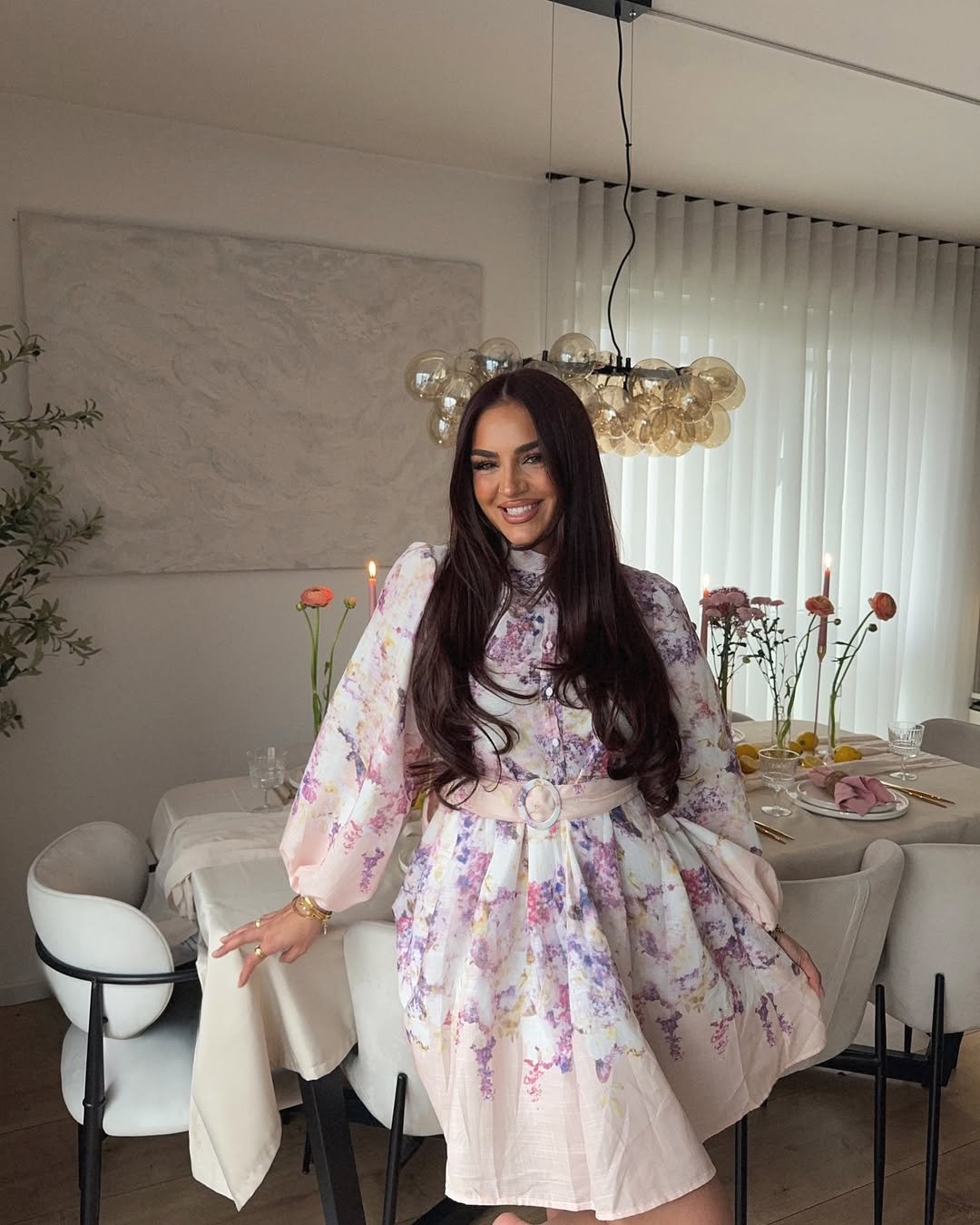
Occasion dressing in spring requires reading the venue as carefully as the dress code. For outdoor weddings and garden parties, a floral midi in a pastel or soft-toned palette captures the spirit of the season while respecting the celebratory context. A satin or silk-blend midi in a rich jewel tone works for more formal indoor settings where the fabric’s reflective quality reads correctly under artificial light.
A printed maxi dress is the strongest option for beach or destination weddings, balancing the formality requirement with the practical reality of an outdoor setting. Graduations and bridal showers are best suited to a structured mini or tea-length dress with a clean style and a celebratory color that does not compete with the event itself. When in doubt, let the venue conditions make the final decision between comfort and formality.
Dressing for Your Body Type: Shapes and Cuts That Actually Work
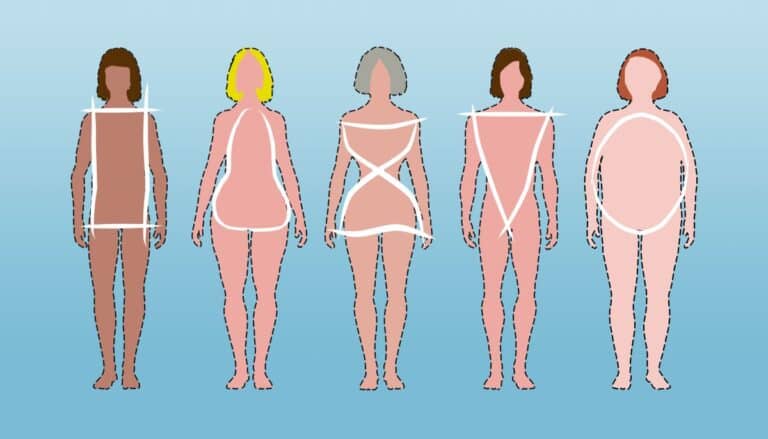
Body type guidance works best when it focuses on what a cut does structurally rather than what it conceals. A-line and wrap shapes with a defined waist balance the proportions between the shoulder and the hip on pear frames. Empire waist and smocked bodice styles draw attention to the narrowest point on apple shapes. Tiered or ruffled constructions add volume and visual curve to straight or athletic frames without bulk.
Petite frames suit clean midi or mini dresses with minimal gathering and a defined waist, which elongates the overall shape rather than shortening it. V-neck and wrap styling in draped fabric offers the most comfortable and flattering fit for a full bust. The best spring dress is the one that fits your actual body as it is right now, not a body you are working toward.
The Spring Dress Styling Guide: Footwear, Layers, and Accessories
Footwear is the single most powerful styling variable with any spring dress. Clean white sneakers move a floral midi into casual, effortless territory. The same dress with heeled sandals becomes an event outfit. Loafers add a slightly more polished, fashion-forward quality that works particularly well with midi and maxi lengths. Ankle boots extend the wearability of spring dresses into cooler early-season days.
Layering adds both practicality and visual interest. A denim jacket over a casual dress handles the temperature variance of spring mornings without closing down the outfit’s overall energy. A structured blazer elevates the same formula for professional or occasion contexts. Accessories should respond to what the dress is already doing. A bold print needs minimal jewelry. A simple solid outfit benefits from a statement piece or an interesting bag.
Caring for Your Spring Dresses: Washing, Drying, and Storage
Spring dress fabrics, particularly linen and cotton, require more attentive care than heavier winter materials to maintain their color and structural integrity across the season. Gentle cycles in cold water prevent shrinking and color fading on most machine-washable pieces. Delicate fabrics benefit from handwashing, which takes more time but significantly extends the life of the garment.
Air drying is consistently preferable to machine drying for spring dress fabrics. High heat damages fibers, accelerates color fading, and distorts the shape of bias-cut and draped styles. Store spring dresses in a cool, dry place away from direct light. At the end of each wear, check for loose threads or minor damage and fix them before they need more work.
Where to Shop for Spring Dresses: Amazon Fashion, Boutiques, and Seasonal Sales
Amazon Fashion has become one of the most practical starting points for spring dress shopping, offering an extensive range of styles and fabrics across every price point. The ability to filter by length, fabric, and occasion makes it easier to find a specific style without committing to a single brand’s aesthetic. Customer reviews and verified sizing breakdowns remove much of the guesswork from buying dresses online.
For in-store shopping, Nordstrom, Zara, and H&M allow you to assess fit and fabric quality before committing, which matters significantly more with dresses than with most other garment categories. Seasonal sales at Macy’s, Bloomingdale’s, and most major online platforms in early spring offer genuine value on full-price pieces from the current season rather than clearance from the previous one.

Spring Into Your Wardrobe: The Last Word on Spring Dresses
The right spring dress does something that very few other garments can. It handles an entire day, across multiple contexts and temperatures, without requiring the mental energy of assembling an outfit from separate pieces. That efficiency is the real argument for investing in this category thoughtfully rather than accumulating options that only partially work.
Every silhouette covered here serves a specific purpose. The floral midi for occasions, the linen solid for versatility, the casual jersey for daily life, and the structured work dress for professional settings. A wardrobe that covers these bases with pieces chosen for fit, fabric, and genuine wearability will always outperform a larger collection of compromises. Start with what your spring actually requires and work outward from there.