Unlocking the Secrets of Stunning Brunette Hair
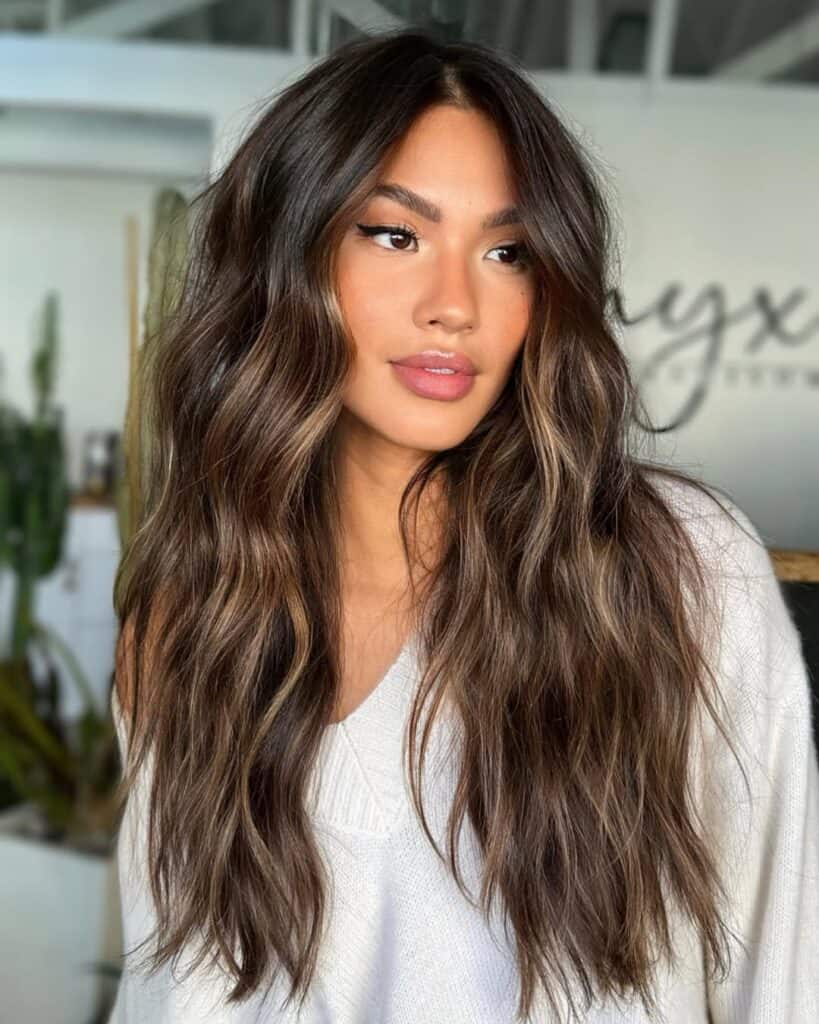
Brunette hair is not a single color. Brunette hair is a spectrum that ranges from sandy ash to deep espresso, and understanding your position within that range can make the difference between a shade that enhances your look and one that diminishes it. This guide covers everything from choosing the right hue for your skin tone to maintaining gloss, styling for texture, and the trends currently redefining what brunette looks like.
Brunette Hair Color Ideas for Your Skin Tone
The most common mistake in brunette hair decisions is choosing a shade in isolation. A color that looks stunning on someone else can read muddy or washed out on you simply because of undertone misalignment. Before committing to any shade, identify whether your skin runs cool, warm, or neutral.
Cool undertones suit ash brown and mushroom brown. These shades complement the natural blue and pink notes in fair to medium skin without creating visual competition. Warm and olive complexions respond better to caramel, rich chocolate, and deep mahogany, where the warmth in the hair mirrors the warmth in the skin. Deep skin tones look particularly striking with espresso and cinnamon brunettes, both of which offer enough contrast to make the color register fully.
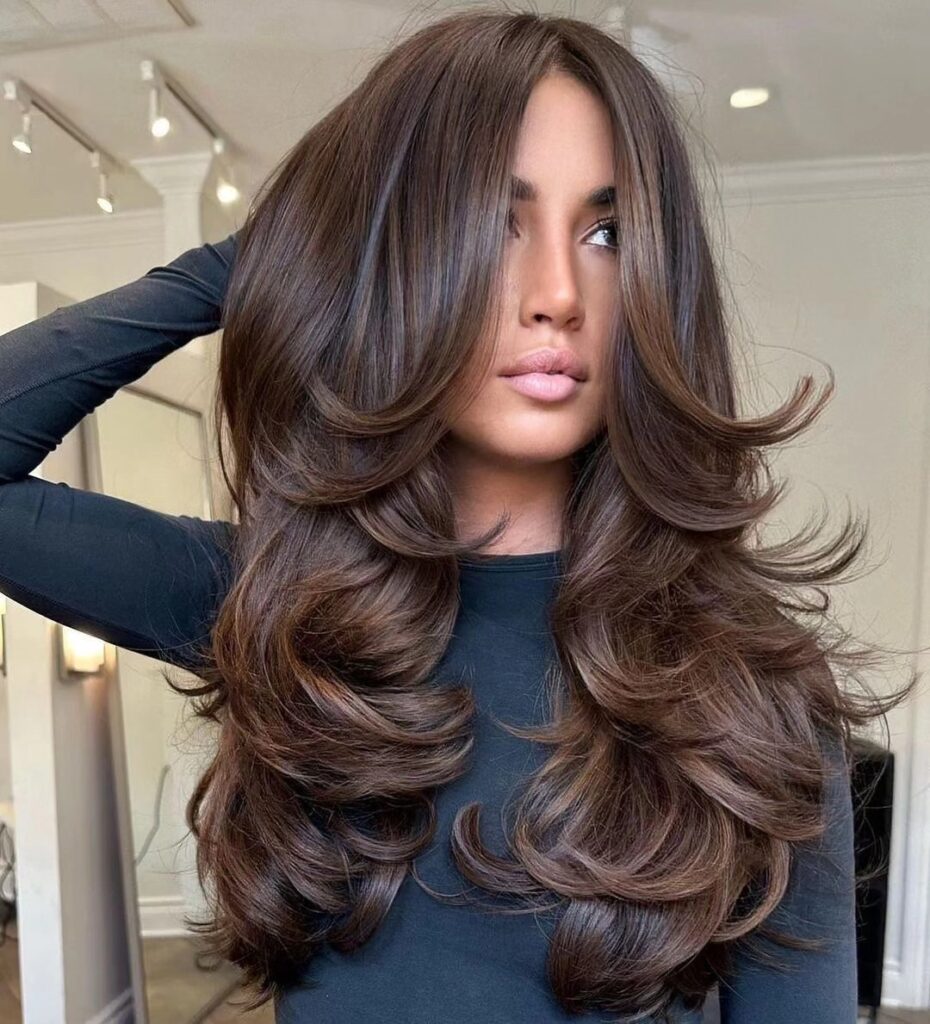
Rich and Dark Brunette Hair Shades Worth Trying: From Ash Brown to Espresso
Fair skin works best with cooler brunette shades. Ash brown and mushroom brown keep the overall palette balanced and prevent the hair from feeling too heavy against a lighter complexion. Going too dark on very fair skin without the right undertone can read harsh rather than dramatic.
Medium skin tones are where caramel highlights and warm chocolate browns shine. Olive skin benefits from rich chocolate brown, which picks up on the green undertones in the skin and makes them look intentional rather than sallow. For deep skin, espresso and cinnamon brunettes create a striking visual contrast that photographs beautifully and reads as genuinely considered rather than default.
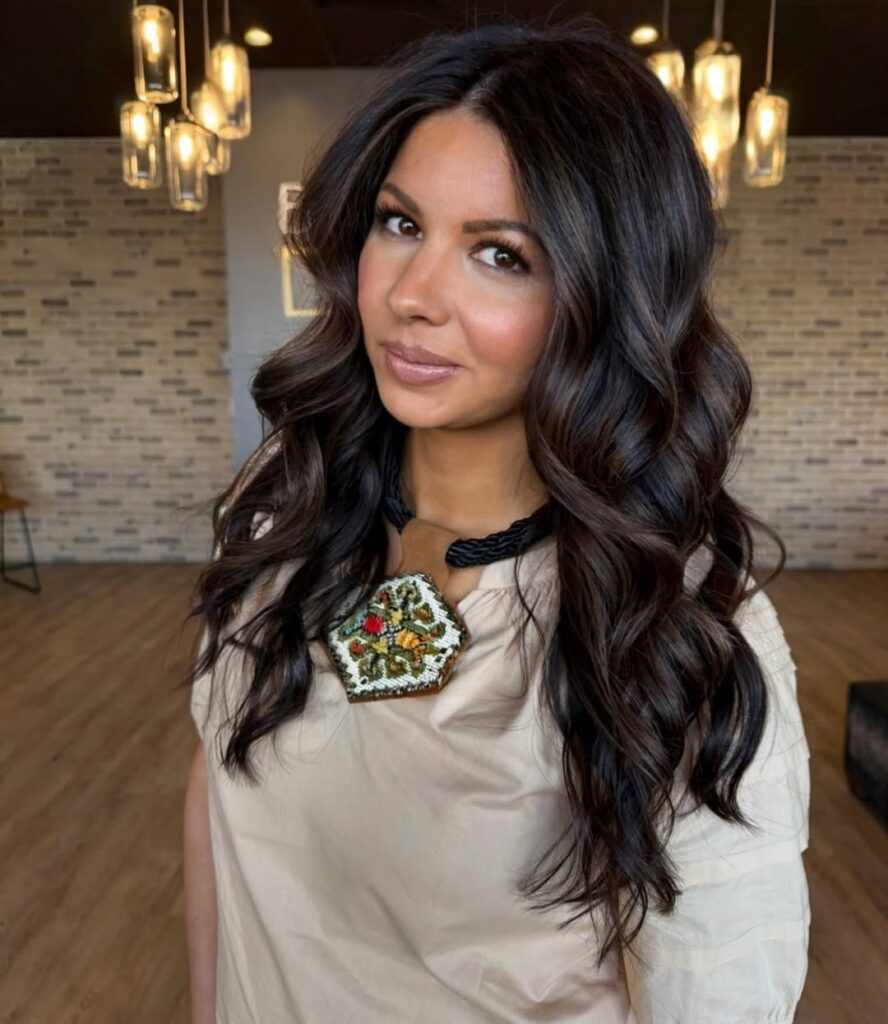
The Dark Side Brunettes: from Espresso to Chocolate Cherry
Deep brunette shades carry a particular kind of visual authority. Espresso, chocolate cherry, and dark mocha do not need highlights or dimension to make an impact. The depth of the color itself creates movement and sophistication, particularly under natural light, where the undertones become visible.
There is also a practical argument for going darker. Deep shades have a far more forgiving grow-out phase than lighter or highlighted hair, which means fewer salon visits and lower maintenance between appointments. For anyone who wants a significant color change without committing to a high-maintenance routine, moving toward the darker end of the brunette spectrum is one of the more sensible decisions you can make.
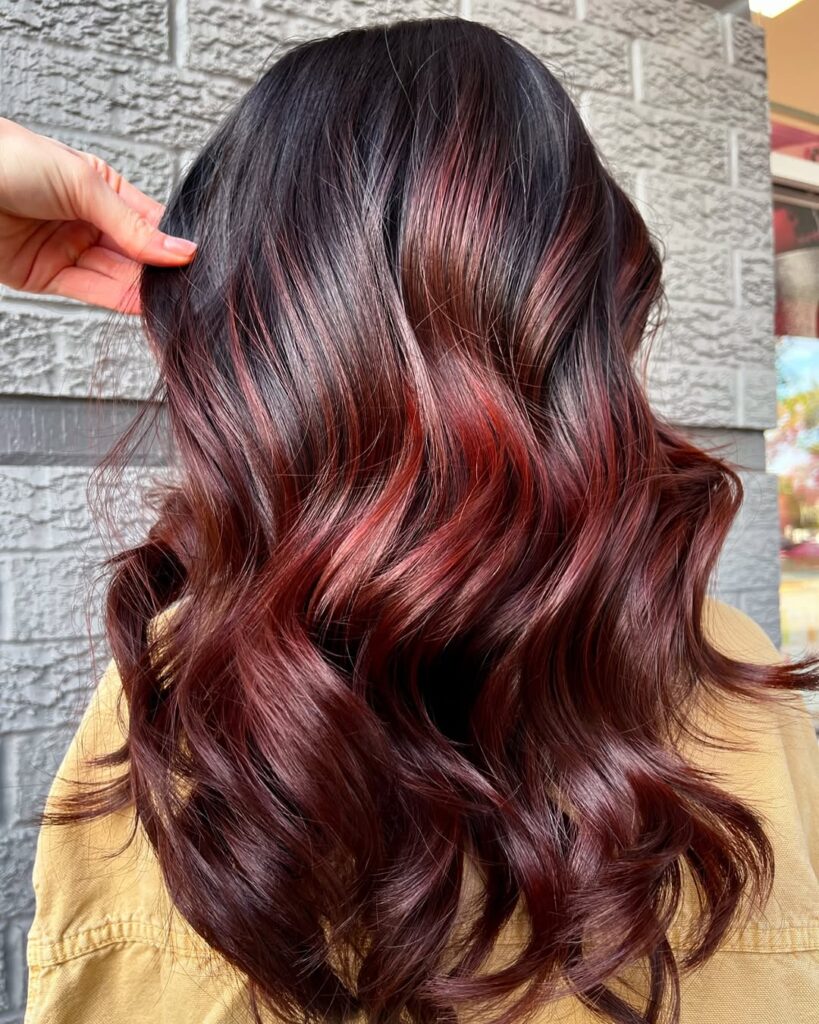
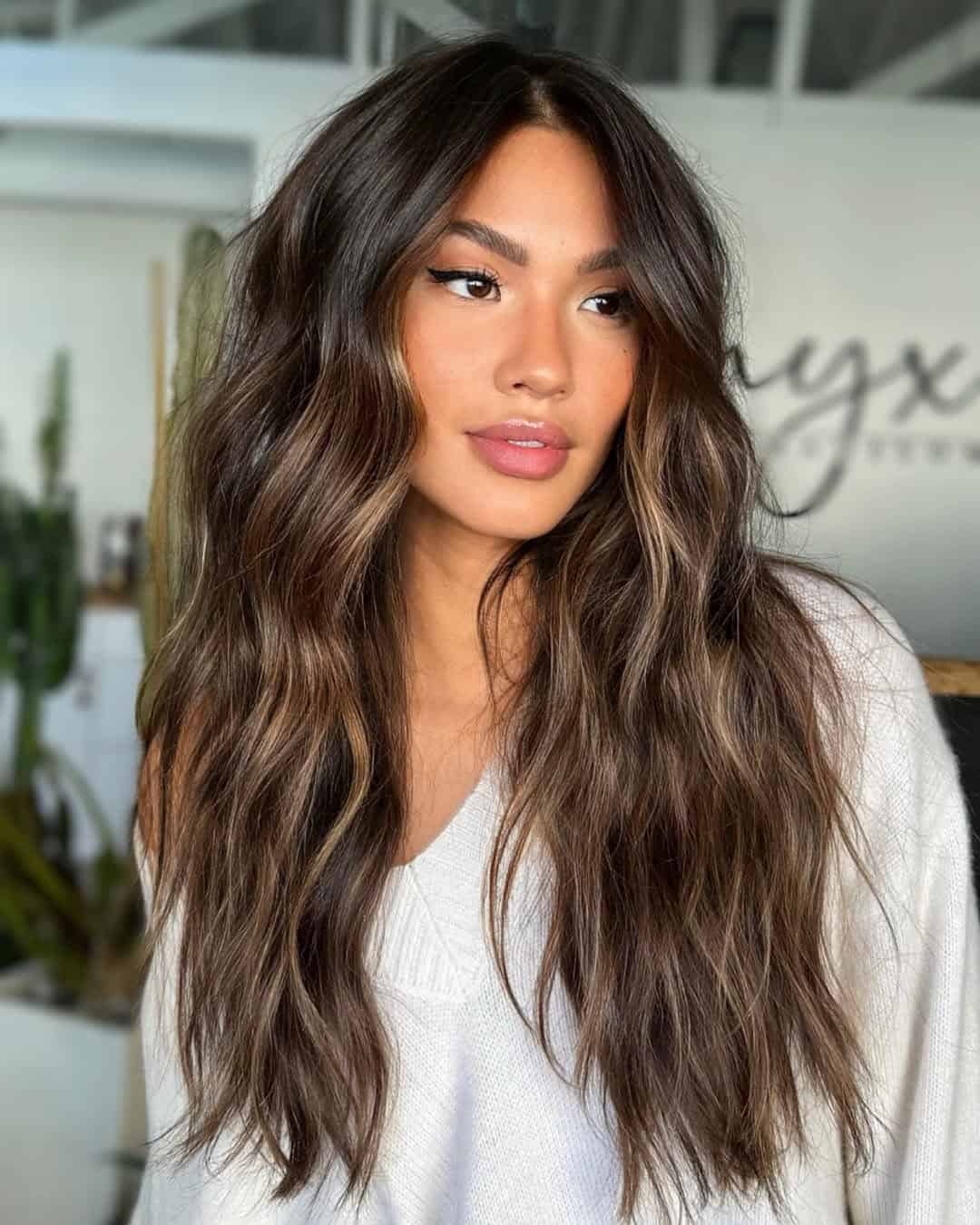
Balayage on Brunette Hair: Five Techniques Worth Knowing
Balayage changed brunette hair forever. Before it, highlights meant foils, a look that grew out with a sharp line of demarcation and required constant upkeep. Balayage color is applied freehand through the hair, creating a result that grows out gradually and intentionally.
The five approaches each serve a different goal.
Classic brunette balayage uses soft caramel or honey through the mid-lengths and ends, the most forgiving grow-out of any technique.
Dark brunette balayage adds subtle toffee pieces to a chocolate or espresso base, reading as dimensional rather than highlighted.
Bronde transitions from warm brown at the root to golden blonde through the ends. Face framing concentrates lighter pieces around the face only. The money piece places a deliberately lighter section at the very front of the part and photographs exceptionally well.
The secret to outstanding balayage is placement. Ask your colorist to keep the lightest pieces below the ear line so the grow-out looks intentional rather than neglected.
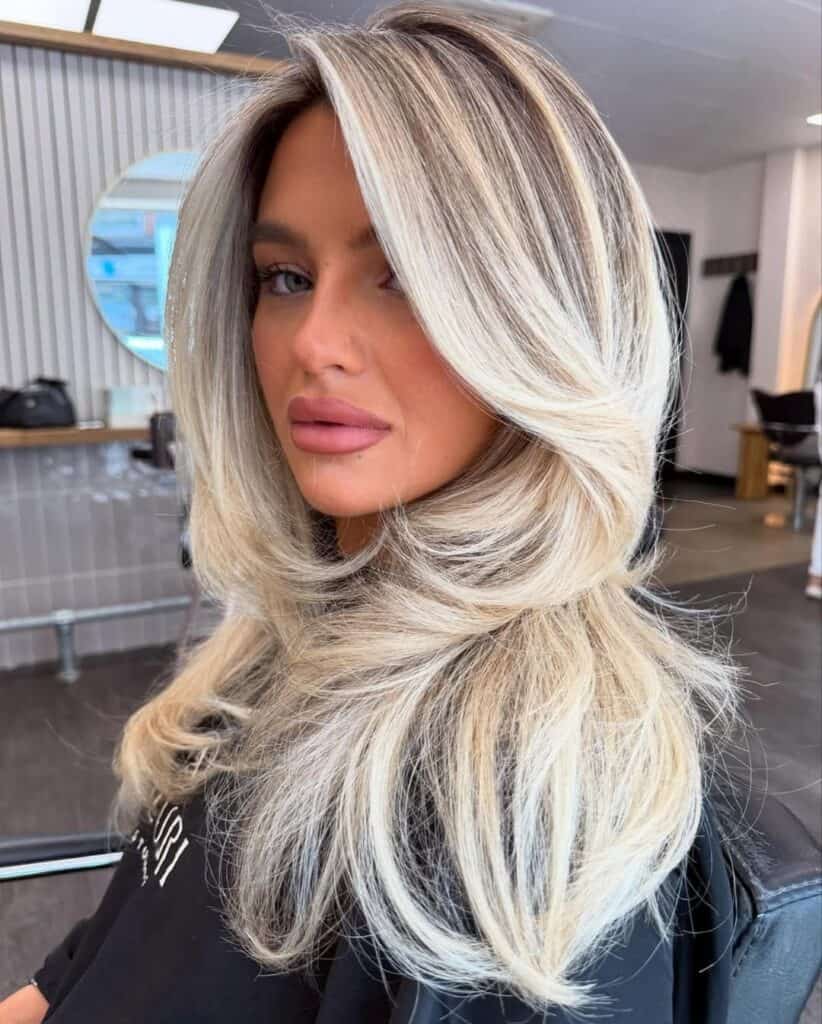
Light and Bright: Sandy Brown and Mushroom Brunette Hues
Lighter brunette shades carry a different kind of appeal. Sandy brown and mushroom brown suggest effortlessness, a sun-warmed quality that reads as natural even when it is entirely manufactured at a salon. Sandy brown requires a precise blend of golden and beige tones to avoid looking dull, while mushroom brown depends on ashy undertones to maintain its cool, sophisticated finish.
The honest caveat with lighter brunettes is maintenance. Brassiness sets in faster than most people anticipate, and keeping these shades looking intentional requires regular toner or gloss treatments. Go in knowing what the upkeep involves, and the shade will reward you for it.
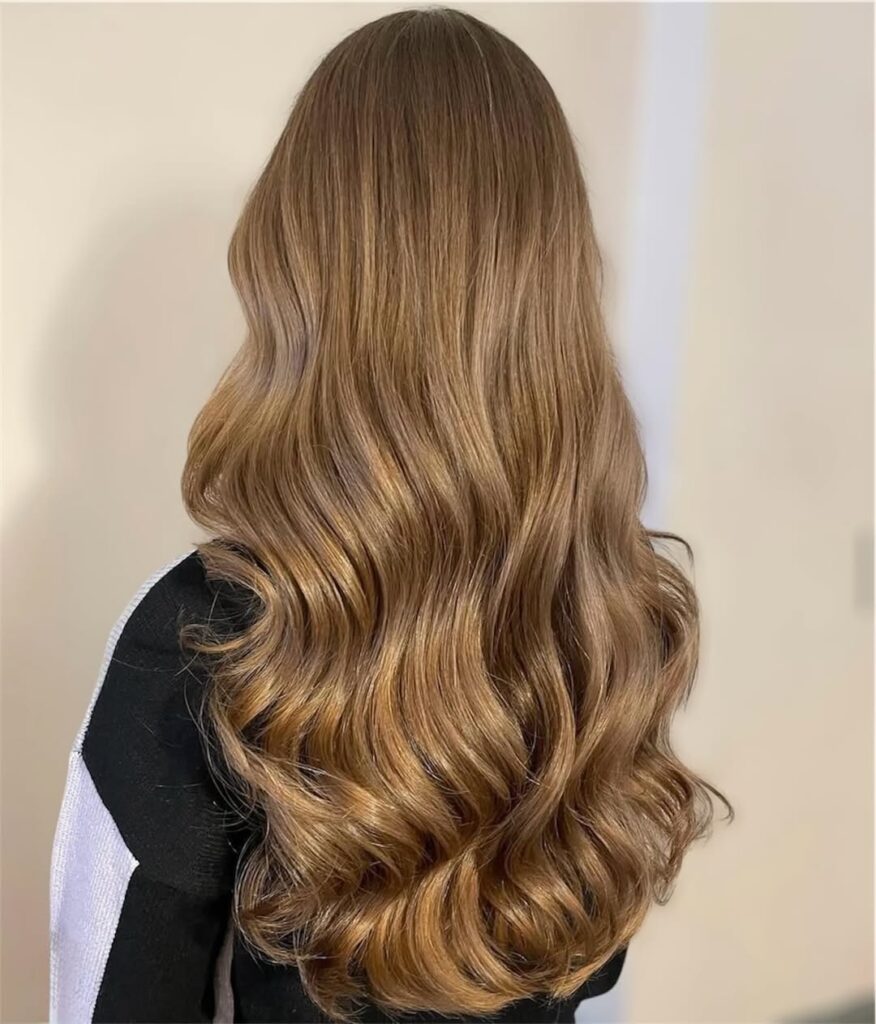
Highlighting Brunette Hair: Caramel, Babylights, and Blonde
Highlights are where brunette hair gains its most significant dimension. Caramel highlights woven through a medium brown base remain the most consistently flattering technique across skin tones and hair textures. The warmth they introduce creates natural-looking depth without dramatically altering the overall color story.
Babylights sit at the subtler end of the spectrum, mimicking the fine multitonal color that hair naturally develops in childhood. The effect adds genuine luminosity when the hair moves without being obvious up close. Chunky highlights have cycled back in a more refined form, creating contrast for those who want something bolder. Blonde highlights offer the highest contrast option and work well when executed with precision, but they require a skilled hand to avoid looking accidental rather than editorial.
Hairstyles for Brunettes: Bobs, Lobs, and the Shag Cut
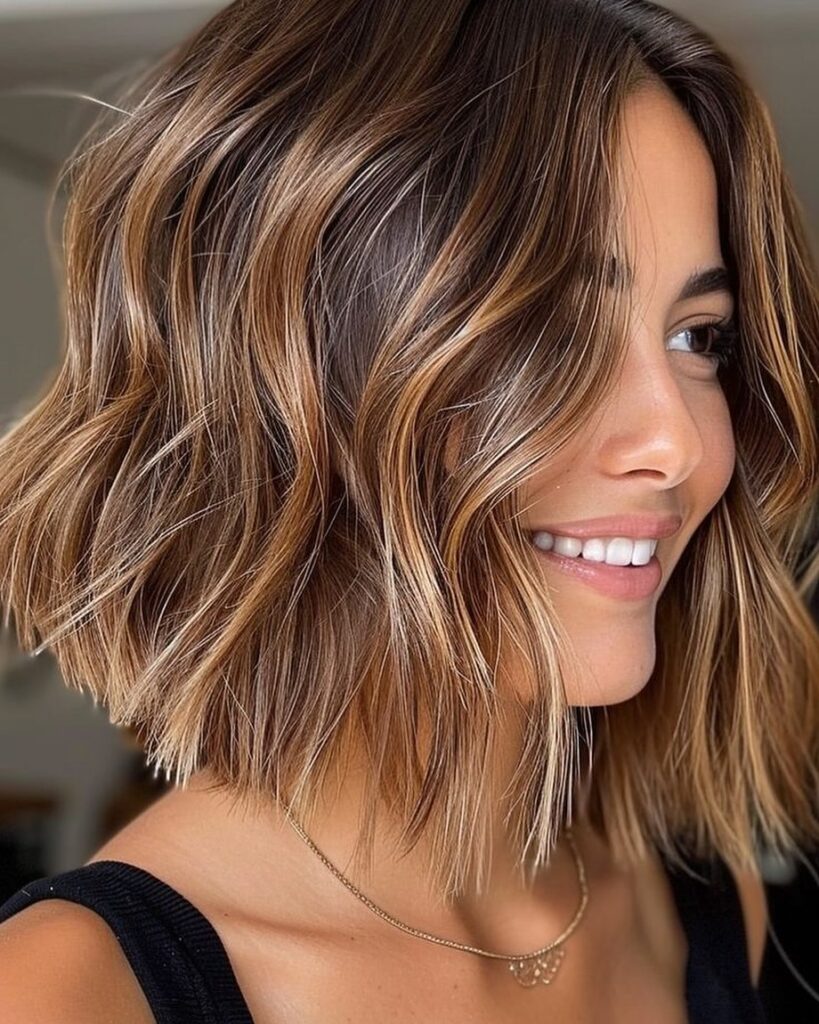
The right haircut amplifies brunette color in a way no product can replicate. The brunette bob remains one of the most reliable cuts for thick, wavy hair. It frames the face cleanly, accentuates the richness of brown tones, and photographs consistently well. Its strength lies in its simplicity.
The textured bob offers more versatility. Shoulder-length with internal layers, it suits a wide range of hair textures and works equally well air-dried or styled. For those who want the cut to do more visible work, the shag brings heavily layered structure and razored edges that add genuine movement to brunette tones. Paired with curtain bangs, it balances a retro reference with a contemporary finish that has remained consistently popular.
How to Style Brunette Hair for a Glossy Salon Finish
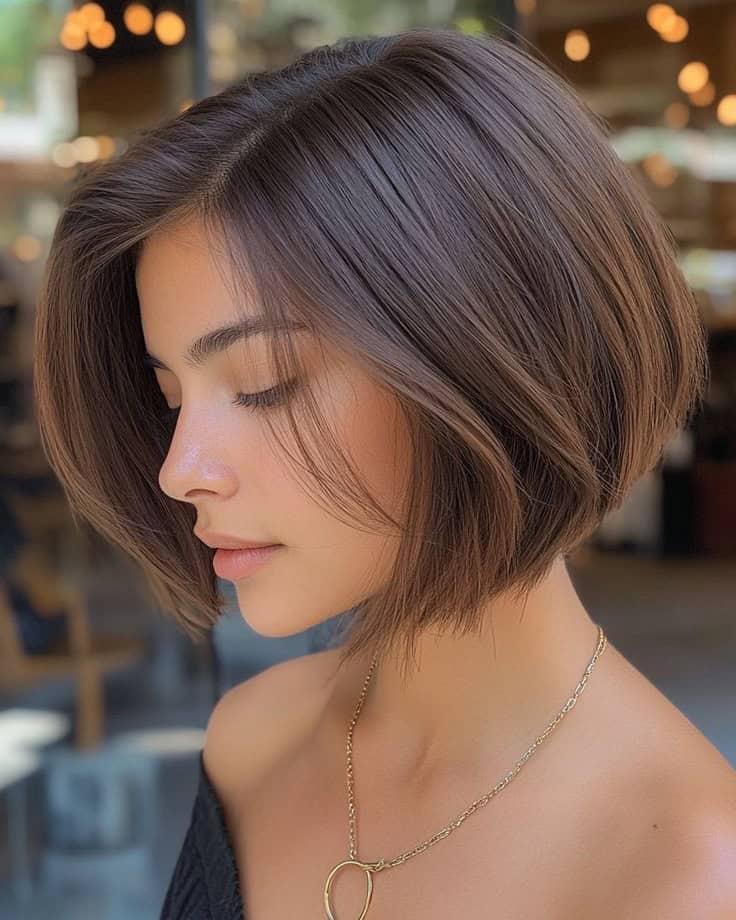
Glossy brunette hair does not happen by accident. A boar bristle brush is one of the most underused styling tools available. Used regularly, it distributes the hair’s natural oils from root to end, building shine without any product.
Heat management matters more than most people acknowledge. High heat strips moisture from the hair shaft over time, leading to frizz and dullness. Medium heat preserves moisture and enhances the natural gloss of brunette pigments. Finishing with a cool shot seals the cuticle and locks in shine. For added luminosity, apply a hair gloss serum to damp hair before heat styling and follow with a drop of lightweight oil once the style is set. This combination is the closest you can get to a salon gloss treatment at home.
Brunette Trends: Glazed, Cinnamon, and Ash Brunette
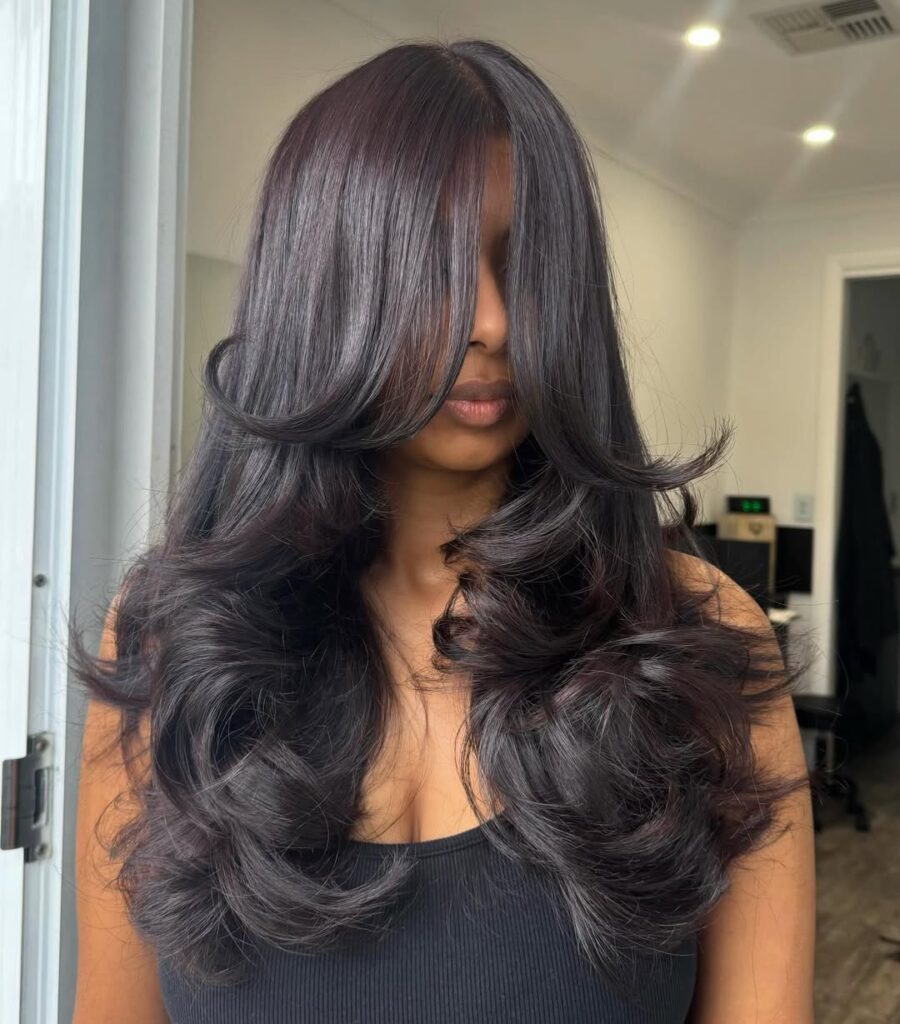
Three trends have defined brunette hair, and each takes a distinctly different direction. Glazed brunette is built entirely around finish rather than color change. A high-gloss treatment applied over existing brown hair creates a reflective, almost lacquered quality that reads as intensely healthy and well-maintained. It has shifted from occasional treatment to a regular part of the hair care routine for brunettes.
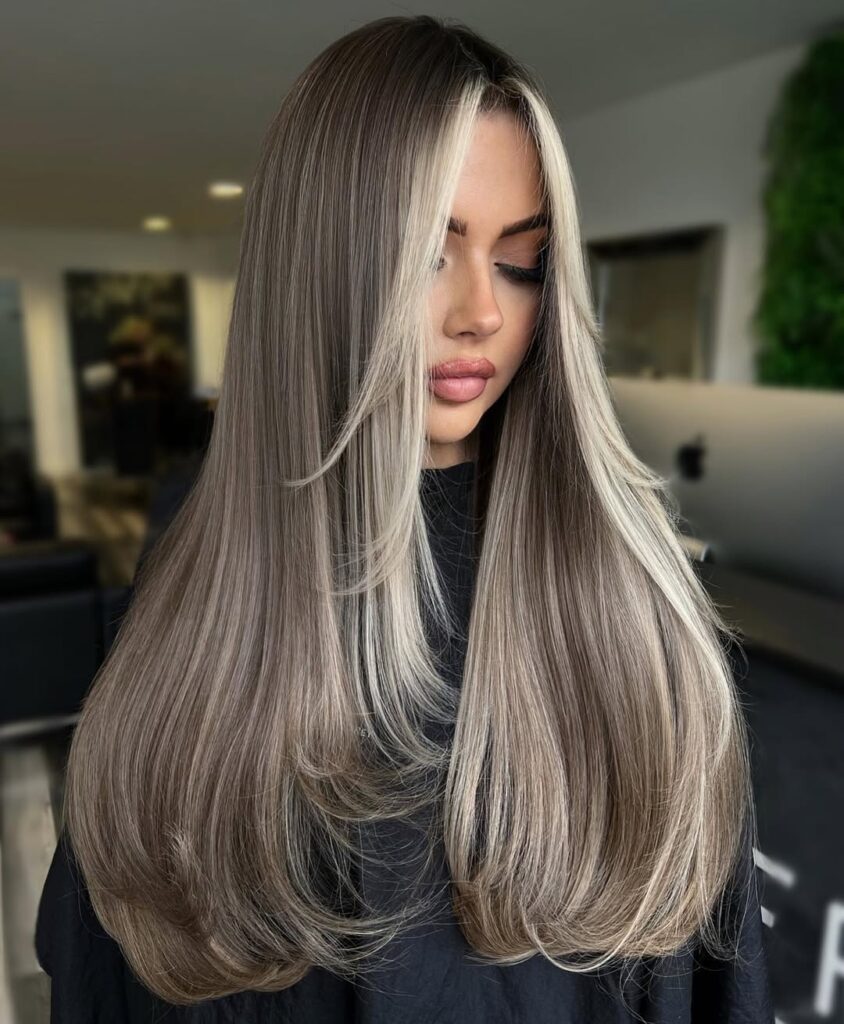
Cinnamon brunette sits in a warm middle ground between auburn and chocolate, shifting in appearance depending on the light. It suits warm and olive skin tones particularly well and offers a more intriguing alternative to straightforward brown without requiring a dramatic departure. Ash brunette moves in the opposite direction entirely, with cool, flat tones that read as deliberately understated. It has a sophisticated, almost editorial quality that works best on cooler complexions and pairs well with precision cuts.
Caring for Your Brunette Locks: Gloss Treatments and Hard Water
Maintaining the quality of brunette hair requires more than a good shampoo. Gloss treatments used every few weeks refresh the color, add visible shine, and smooth the hair’s cuticles. They are one of the most effective and least disruptive ways to keep brunette shades looking intentional rather than faded.
Hard water is a genuine issue that many people underestimate. The minerals it deposits on the hair shaft create a dullness that no styling product can fully overcome. A clarifying shampoo used once a week removes mineral buildup without stripping color, keeping shades like ash brown and chocolate cherry looking vibrant between salon visits. Beyond these steps, the fundamentals remain consistent: limit unnecessary heat, use color-safe products, and treat the hair with the same level of attention you give the color itself.
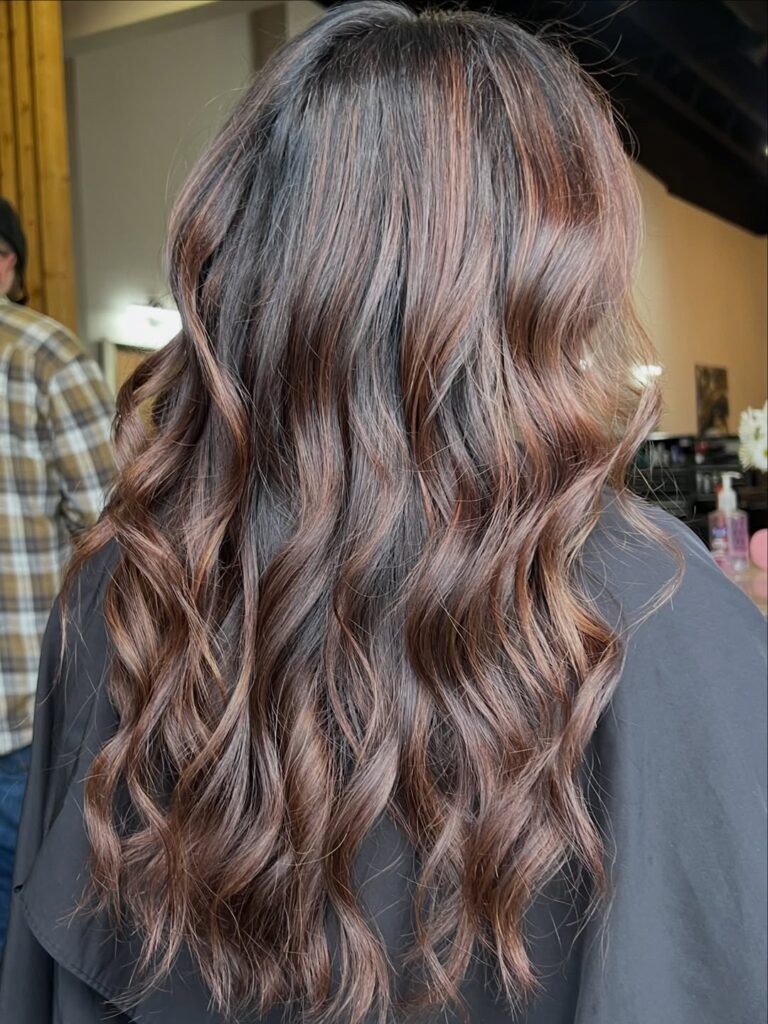
Beyond the Basics: Elevating Your Brunette Hair
Everything covered here, from shade selection to styling technique, points toward the same conclusion. Brunette hair requires intention. Those who benefit most know their shade, treat it consistently, and make deliberate choices about cut, color, and finish instead of defaulting to what’s easiest.
The trends have made one thing clear: brunette is not neutral. Glazed finishes, cinnamon warmth, and ash cool are all active style choices that demand as much thought as any bold color. Whether you are deepening your shade, adding dimension through highlights, or simply refining your at-home gloss routine, the investment pays off visibly. Brunette hair at its best does not sit quietly in the background. It commands exactly as much attention as you are willing to give it.